Quick Answer:
Hot weather often increases neighborhood water use and stresses municipal pump systems. Measure and log your water pressure at different times of day during the heat wave, then compare those readings with local demand patterns before changing any in-home plumbing or buying a booster.
Why This Happens
During multi-day heat waves more households run sprinklers, fill pools, and take longer or more frequent showers. That higher, concentrated demand can lower pressure in parts of a distribution system. Pump stations may cycle more often, storage tanks can drop, and pressure can dip during daily peak-use windows. Infrastructure age, a nearby main break, or reduced source supply can make the dips worse.
Short-term dips during morning and evening peaks are common. Seasonal and weekday patterns also matter — **Pressure varies by weekday** for many systems because irrigation and commercial schedules change usage across the week.
Step-by-Step What to Do
1. Get a simple pressure gauge
- Buy or borrow a hose-bib or faucet pressure gauge that screws onto an outdoor spigot. These are inexpensive and safe to use.
2. Take baseline readings
- Attach the gauge to a ground-floor outdoor spigot close to where water enters your home.
- Record the pressure (psi) and the time. Note whether sprinklers, pools, or dishwashers are running.
3. Log pressure at different times
- Measure and write down readings at least three times a day: early morning (before heavy outdoor use), mid-afternoon (peak outdoor use), and late evening. Repeat for several days during the heat wave.
- Also test a second location (upstairs bathroom) to see how pressure varies by elevation.
- As you log, watch for short spikes or steady low readings — **Pressure fluctuates by hour** in many neighborhoods during heat events.
4. Correlate with city demand patterns
- Call or email your water utility to ask about current demand, scheduled pumping, or known outages. Many utilities can tell you typical peak hours and whether they are exercising conservation measures.
- Compare your log to any information from the utility or to known neighborhood usage patterns (sprinkler schedules, pool filling times, etc.). If your low readings align with peak municipal demand, the cause is likely outside your plumbing.
5. Try simple, reversible fixes while you wait
- Limit simultaneous high-flow activities (no sprinklers and showers at the same time).
- Install or replace faucet aerators and showerheads with low-flow models to reduce noticeable effects while overall pressure is low.
- If you have a pressure regulator and know how to read/adjust it safely, check its setting after you collect data — only if the regulator is on your side of the meter.
What Not to Do
- Do not replace in-home plumbing before confirming municipal timing patterns.
- Do not buy and install a booster pump as the first fix. If the issue is municipal, a booster can mask a wider supply problem and may overload a neighbor’s system or your water heater.
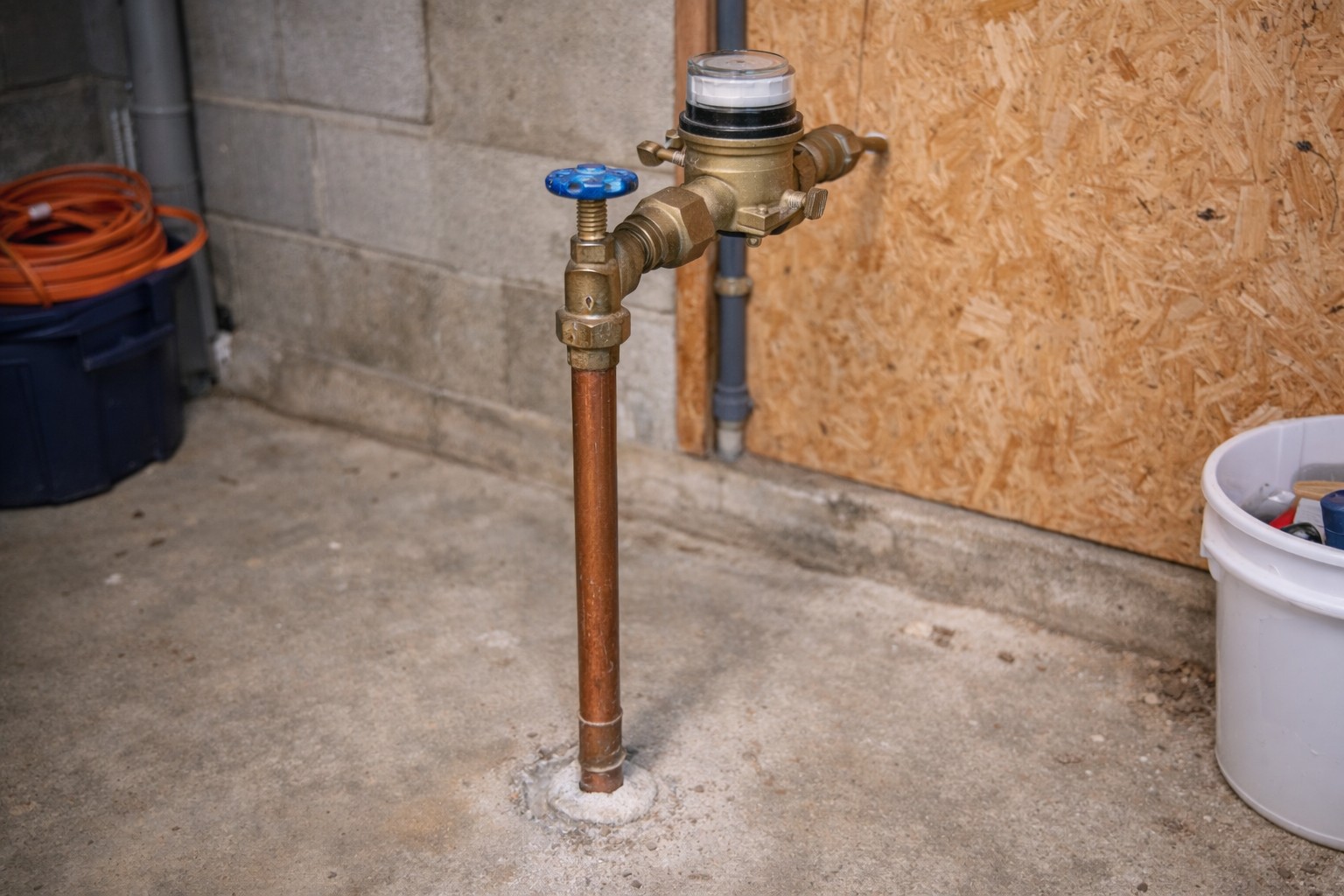
- Do not attempt to work on or alter the water meter or public mains. Those are the responsibility of the utility.
When to Call a Professional
- Contact your water utility if low pressure shows at the same times most days or if multiple neighbors report similar issues.
- Call a licensed plumber if:
- Pressure is low at all hours in your home but neighboring homes are fine.
- Your pressure gauge shows sudden extreme spikes or very high pressure that could damage appliances.
- You find leaks, corrosion, or water discoloration along with low pressure.
- If you suspect a failing pressure regulator or hidden supply-line problem, a plumber can test and recommend targeted repairs after you provide your pressure log.
Safety Notes
- Turn off water at the main before doing any repairs on internal pipes. If you are unsure how, wait for a plumber.
- Never open or tamper with municipal valves, hydrants, or the water meter. Only utility staff should handle those.
- When working outside in a heat wave, stay hydrated, avoid midday sun, and limit physical tasks during peak heat hours.
- If you install or adjust equipment that connects to electrical devices (booster pumps, pressure switches), have a qualified electrician or plumber do the work.
Common Homeowner Questions
- How long should I log pressure? Log readings at least three times daily for 3–7 days including both weekdays and a weekend for a clear pattern.
- Will a booster pump fix short heat-wave dips? A booster can increase household pressure, but it may only mask a municipal supply problem and should be installed only after diagnosis.
- Should I report low pressure to the city? Yes — utilities need reports to detect system stress or failures, and they can tell you if the issue is widespread or temporary.
Related Articles
If you’re troubleshooting a similar symptom, these guides may help:
For the full directory, see Water Pressure Changes by Time of Day.