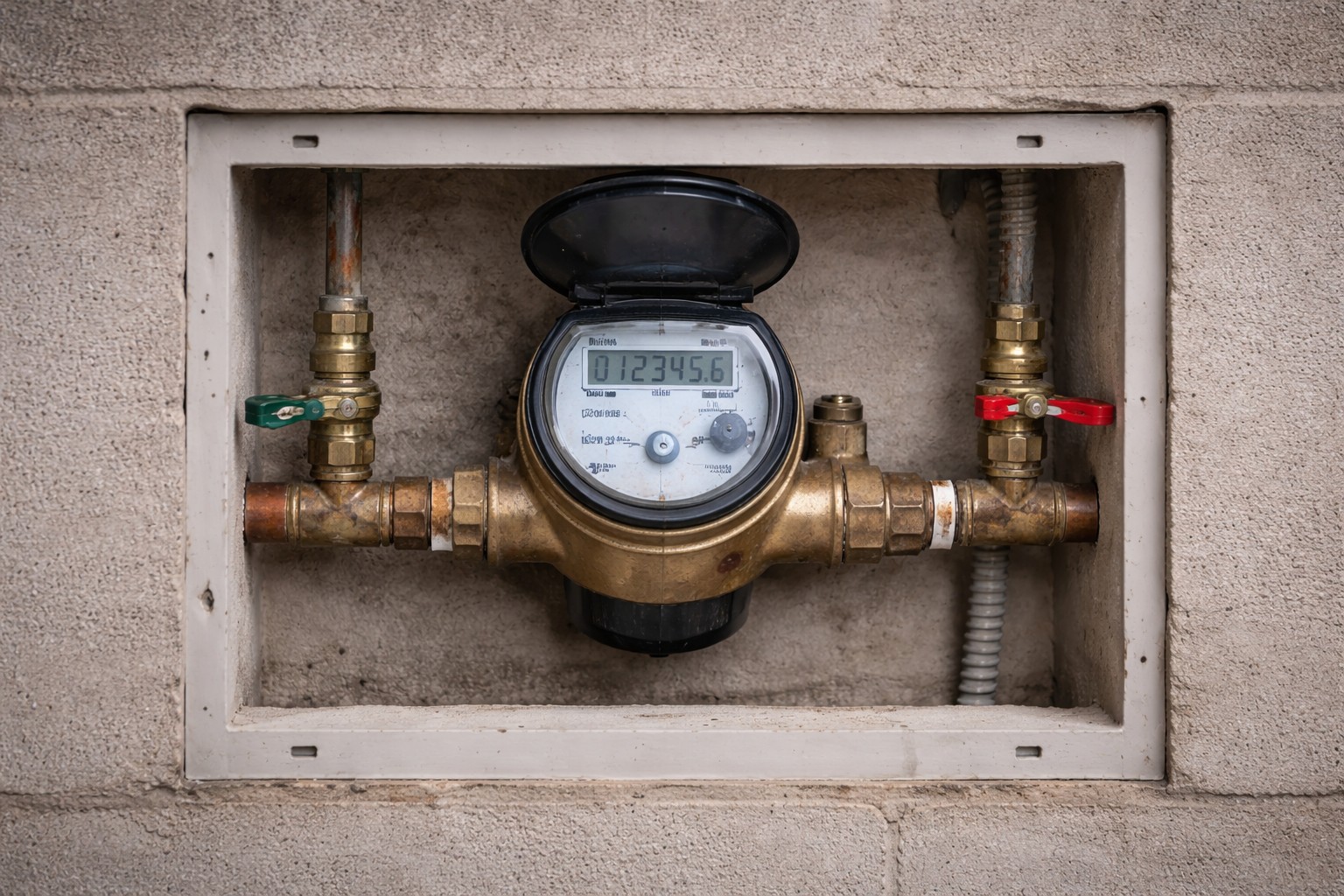
Quick Answer:
A sudden drop in hot water pressure that happens when the water heater refills is usually a hot-side flow or valve issue. It can come from a check valve, mixing valve, pressure-balancing fixture, or a problem inside the heater that briefly interrupts hot flow during the refill. Do a few simple checks at the fixture and at the heater before replacing major parts.
Why This Happens
When the tank refills, cold water enters the heater and the plumbing near the inlet and outlet can see a short surge or change in pressure. If a valve, check valve, or mixing device on the hot side is sticky or partially blocked, that device may briefly restrict flow while the heater refills. A pressure-regulating device on the hot outlet or a thermostatic mixing valve that reacts to the transient flow can also cause the perceived loss of hot pressure.
If the problem only affects the hot side, the symptom will read like this: Hot side pressure fluctuates. That helps narrow the issue to hot-side components rather than the house supply.
Step-by-Step What to Do
1. Confirm the pattern
- Run a hot fixture and note when the pressure drops — is it immediately when the heater refills, only after certain uses, or random?
- Listen at the heater for refill sounds, and watch for any visible drip or valve movement while the sound occurs.
2. Compare hot vs cold at the same fixture
- Open the hot tap and note pressure/flow. Close it and open the cold tap at the same fixture and compare flow. This direct comparison isolates supply-side pressure problems from hot-side plumbing faults.
- If cold flow is steady while hot drops during refill, the issue is on the hot side.
3. Observe the heater during a fluctuation
- Have someone run the fixture while you watch the heater. Look for the cold inlet opening, relief valve activity, or a recirculation pump starting/stopping when pressure changes occur.
- Note if any valves on the heater (inlet shutoff, mixing valve, or recirculation check valve) move or make noise when the refill happens.
4. Check common hot-side parts
- Inspect the mixing/tempering valve if installed; these can react to pressure changes and reduce hot flow. Temporarily bypassing (if safe and possible) can confirm if it’s the cause.
- Look at any check valves or backflow preventers on the hot outlet; debris or a failing spring can intermittently restrict flow.
- If you have a recirculation pump, verify its operation and controls. A short pump cycle or faulty control can change hot pressure briefly.
5. Simple temporary tests
- Turn off the cold water to the heater and run the hot tap until the tank empties slightly, then reopen the cold slowly while watching pressure. Do not do this if you’re unsure — risk of scalding and tank damage if handled incorrectly.
- If the system is noisy or you see the pressure relief valve drip during the cycle, stop and call a professional.
6. Verify isolated appliance behavior
- Test other hot fixtures. If only one fixture is affected, check its internal cartridges or pressure-balancing valves—these can mask as larger system problems.
- If multiple hot outlets show the same transient loss and cold stays steady, the heater area components are the likely culprits. In this case, Pressure unstable on hot side only is a useful diagnostic description to give a technician.
What Not to Do
- Do not replace cold-side plumbing for a hot-side-only problem.
- Do not remove or disable the temperature-pressure relief valve.
- Do not attempt major heater repairs (tank removal, gas line work, heating element replacement) unless you have the right tools and experience; these can be hazardous and may void warranties.
When to Call a Professional
- The pressure loss continues after basic checks (hot/cold comparison and observing the heater).
- You find leaks, the pressure-relief valve is discharging, or you smell gas.
- There’s persistent loss at multiple fixtures or you suspect a failing internal heater component (dip tube, internal valve, or heat exchanger on tankless units).
- You are uncomfortable performing isolation tests around hot water or gas/electric heaters.
Safety Notes
- Turn off power to electric heaters and set gas heaters to pilot or off before doing any work near the unit.
- Hot water can cause severe scalding — open taps slowly and test with your hand at a safe distance.
- Relieve system pressure before disconnecting plumbing. If unsure how, call a technician.
Common Homeowner Questions
- Q: Will flushing the heater fix pressure drops?
A: Flushing may remove sediment that affects flow, but it only helps if blockage or debris is the cause. - Q: Could a pressure reducer on the main supply cause this?
A: Unlikely if only the hot side is affected — a main reducer would impact both hot and cold. - Q: Is a failing thermostat likely to cause pressure loss?
A: No — thermostats control temperature, not pressure. Pressure drops are usually mechanical (valves, check valves, pumps).
Related Articles
If you’re troubleshooting a similar symptom, these guides may help:
For the full directory, see Pressure Fluctuates Only on Hot Water.