Quick Answer:
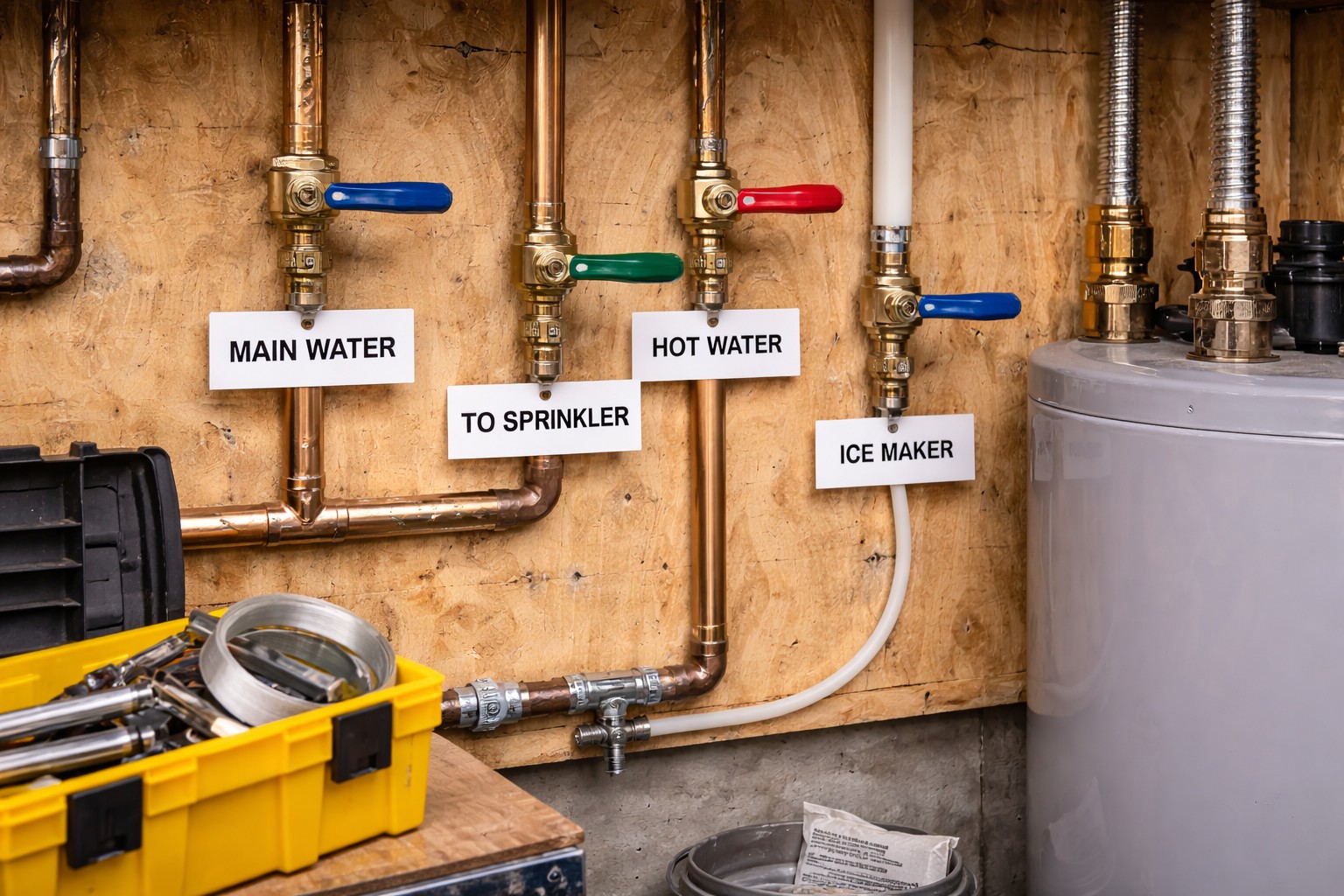
After a plumbing inspection, pressure can change because valves were moved, air entered the lines, or debris was dislodged. Immediate steps: Isolate the repaired component, measure pressure before and after the repair point, and flush affected lines to clear air and debris.
Why This Happens
- Valves or the main shutoff may have been partially closed during the inspection, reducing flow or dropping pressure. This can lead to situations like Pressure low after main shutoff replacement.
- Air trapped in pipes after work can cause sputtering, surges, or uneven pressure until it is bled out.
- Debris loosened by cutting, soldering, or reconnection can block aerators, valves, or regulators and change pressure.
- Changes to pipe layout or fittings can create flow restrictions or uneven distribution of pressure, similar to cases where you see Pressure uneven after pipe replacement.
Step-by-Step What to Do
1. Stop and isolate the work area
Immediately turn off water to the area or fixture if you suspect the inspection disturbed something. Isolate the repaired component so other parts of the system are unaffected.
2. Measure baseline pressure
Measure pressure before and after the repair point. Use a gauge at an outdoor hose bib or a pressure-tank port. Record:
- Pressure upstream of the repair point.
- Pressure downstream of the repair point.
3. Flush affected lines
Flush affected lines to clear air and debris. Open the highest and lowest fixtures on the run and let water run until the flow is steady. Be methodical:
- Start with cold water to avoid scald risk.
- Run each fixture for 1–2 minutes or until sputtering stops.
4. Re-measure and compare
Measure pressure again after flushing. Compare to the initial readings to see if pressure changed at the repair point. This confirms whether the issue was air/debris or a valve/regulator problem.
5. Check fixtures and regulators
Inspect fixture aerators, mixing valves, and the pressure regulator for blockages or changes. Clean aerators and test flow at multiple fixtures to ensure even pressure.
6. Restore and monitor
Once readings look normal, slowly restore full service and monitor pressure over a few hours. If pressure drifts or you see leaks, stop and re-isolate the area.
What Not to Do
- Do not assume pressure will self-correct without flushing and inspection.
- Do not open or close random valves to “fix” pressure; that can create imbalances or stress fittings.
- Do not use excessive force on fittings or regulators; overtightening can cause damage or leaks.
When to Call a Professional
- If pressure remains too low or too high after you isolate, flush, and measure.
- If you detect a leak you cannot stop, or if pressure changes are sudden and severe.
- If the pressure regulator or main shutoff appears faulty or you cannot access measurement points safely.
Safety Notes
- Turn off power to pumps or heaters before working on plumbing connected to electrical equipment.
- Open hot water taps carefully to avoid burns from sudden hot-water surges.
- Use eye protection and gloves when flushing lines that may contain debris.
- If you must shut off the main water, warn household members and drain faucets to relieve pressure before working.
Common Homeowner Questions
- Why did pressure drop after the inspector touched the main? — If the main or a valve was partially closed, flow drops; measure upstream and downstream to confirm.
- How long should I flush pipes after work? — Flush until flow is steady and sputtering stops, usually 1–2 minutes per fixture.
- Can trapped air cause uneven pressure? — Yes. Bleeding the lines by flushing typically restores steady pressure.
Related Articles
If you’re troubleshooting a similar symptom, these guides may help:
For the full directory, see Pressure Loss After Plumbing Repairs.