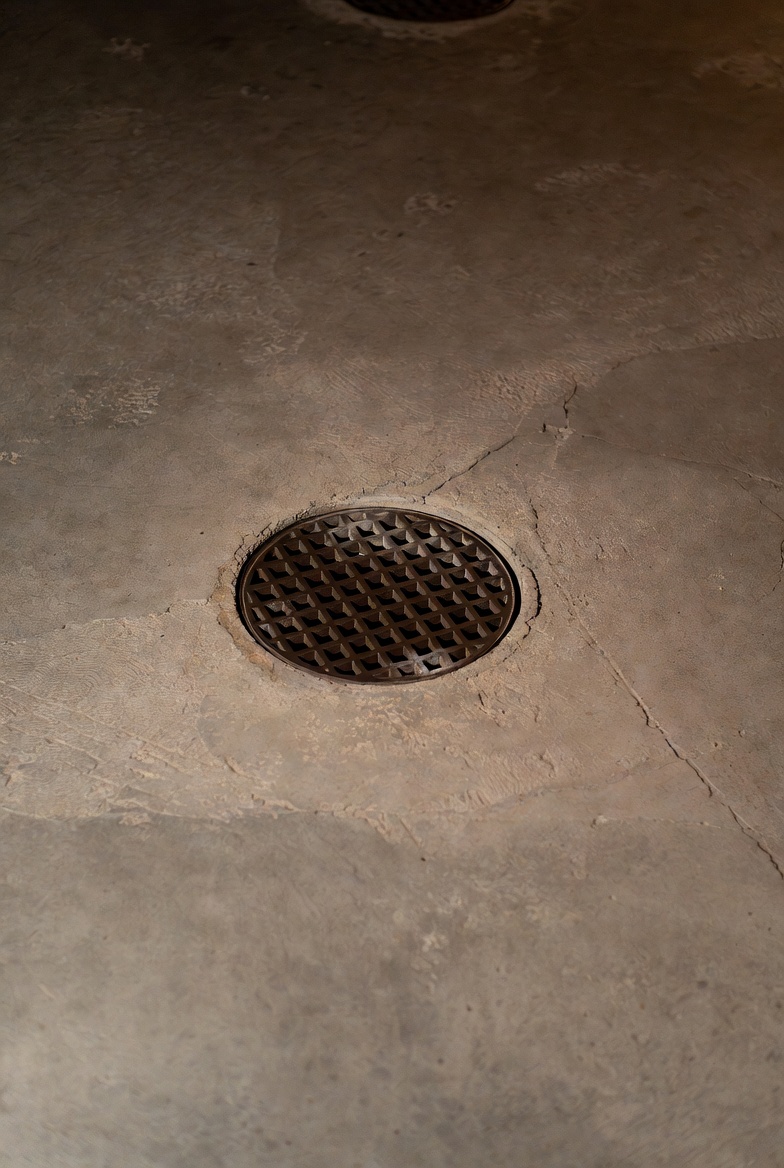
After a water-heater installation, weak hot delivery is a supply-side symptom; water backing out of a drain is a waste-side symptom. Do not insert a sanitary drain snake into potable hot-water piping or use a sewer cleanout to investigate heater outlet flow. Contact the installer with the actual symptom before attempting a tank flush.
Stop an active backup before investigating
If wastewater is rising, returning through another fixture or overflowing, stop adding water to the affected drainage path. Keep connected appliances from discharging using only safely reachable dry controls. Keep people and pets away from sewage and arrange prompt drainage help. Do not flush toilets, fill a basin or run an appliance to reproduce a known backup. Report a suspected public-sewer problem to the sewer agency; do not delay urgent private help for an assumed universal city-first rule.
For strong, widespread gas-like fumes, exposure symptoms or suspected dangerous sewer gas in an enclosed space, leave immediately and call emergency services from outside. If fuel gas is suspected, leave without operating valves, switches or phones there; call the gas emergency service from well away. Do not stay to sniff a drain or ventilate a suspected hazardous atmosphere. Stay away from wet electrical equipment and standing water near wiring; use qualified electrical or emergency help rather than entering water to reach a breaker.
Keep heater delivery, fixtures and drains on separate paths
- Only hot delivery appears weak: Record the affected fixture and actual handle/control type. A mixed faucet or cartridge can complicate a hot/cold comparison; simultaneous opening of several taps changes demand and does not uniquely locate an obstruction.
- A disturbed connection leaks: Observe from a safe dry position and call the installer. Do not tighten a hot pressurized union or unknown fitting while operating. Internal or joint work needs actual source isolation, safe cooling, verified local pressure release and the correct fitting method.
- Wastewater rises during use: Stop connected discharge and arrange drainage assessment separately. Supply sediment only reaches the waste system through a real discharge; supply and sewer branches are not interchangeable service routes.
Draining or flushing is model-specific maintenance, not an automatic cure for reduced hot flow. If it is needed, qualified personnel should follow the actual heater and installer instructions for energy and water isolation, cooling, pressure release, compatible hose and secured approved discharge. The receiving path must accept the actual temperature and quantity without backup, and sediment must be captured or disposed of appropriately rather than simply sent into a suspect floor drain. Do not use a relief valve as an improvised drain or diagnosis.
Before returning a storage heater to service, the actual filling and restart requirements must be satisfied; do not energize an unfilled tank. Never alter gas, ignition or wiring from a generic symptom guide. For a CO alarm or suspected exposure, get everyone outside and call emergency services; do not restart equipment to investigate.
Warranty coverage depends on the actual terms, not an assumption that basic flushing cannot affect it.
Keep access and testing controlled
Keep cleanout caps closed while the possible retained wastewater level, release and access conditions are unassessed. Slow loosening, a side stance, gloves and a bucket do not contain an unknown wastewater column. Do not enter pits, tanks or manholes, or climb to roof vents from this guide. A qualified provider should choose suitable access and equipment for the actual pipe and conditions.
Tell the provider every drain product already used. Do not add or mix chemicals, or plunge, vacuum, snake or open a trap while hazardous residue may remain. Match any service to the actual parts and instructions. Keep connected inputs inactive while a drain assembly is open; complete secure, supported reassembly before any permitted small attended cool-water leak check into a known accepting drain. Stop that check immediately for leakage or a rising level.
Related situations
- Partial clog after filter install
- Separate supply and drain symptoms after a pressure change
- Main Line Partial Clogs
Sources and limits
- Madison Metropolitan Sewerage District: responding to sewer backups
- Wisconsin DHS: sewer gas and emergency exposure
- CDC: electrical hazards around water
- A. O. Smith: water-heater maintenance precautions
Manufacturer and utility examples explain specific boundaries; use the actual equipment instructions and local service arrangements. No inspection of your home, professional signoff or field test is implied.