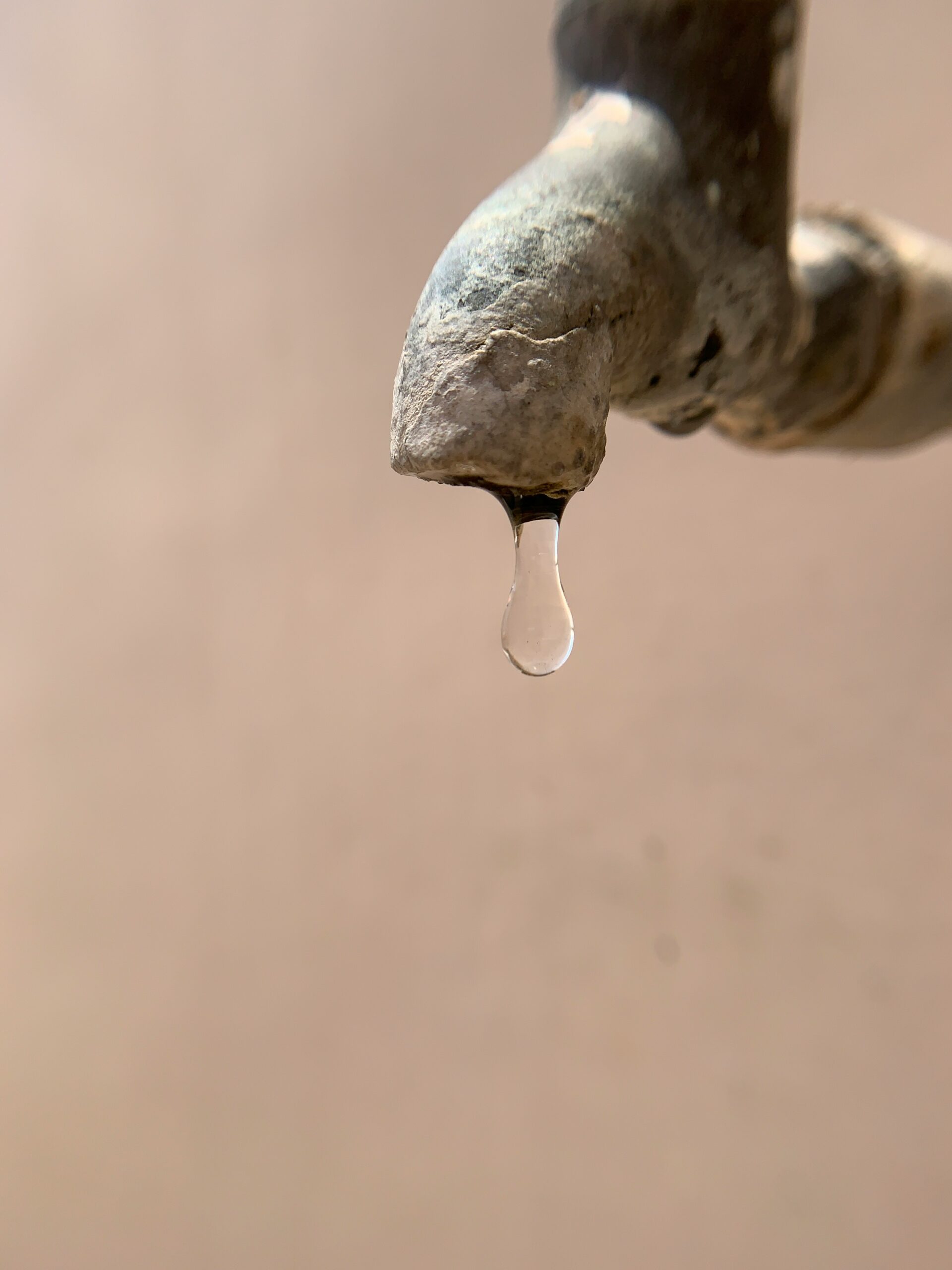
If a faucet starts dripping or leaking after you turn your water back on, it’s easy to assume something broke. In most cases, the leak is caused by pressure changes or loosened internal parts — not permanent damage.
This is a common issue after a water shutoff and is usually fixable without major repairs.
Quick Answer:
When water is restored after a shutoff, pressure changes can loosen faucet components or dislodge debris, causing leaks. Tightening fittings, clearing debris, or replacing worn washers usually stops the leak.
Why This Happens
When your home’s water supply is shut off, the plumbing system loses pressure. When water is turned back on, pressure returns suddenly and can:
- Shift internal faucet parts
- Dislodge mineral buildup
- Expose worn washers or seals
- Stress older fixtures
This is especially common after turning your water back on after shutting it off, or if the water was restored too quickly.
Leaks may appear as:
- A slow drip from the spout
- Water leaking around the handle
- Moisture under the sink at supply lines
Step-by-Step: What to Do If a Faucet Starts Leaking
Step 1: Identify Where the Leak Is Coming From
Look closely to determine whether the leak is:
- From the spout
- Around the handle
- Under the sink at the supply lines
This helps narrow down the cause.
Step 2: Gently Tighten Connections
Under the sink:
- Check the supply line connections
- Hand-tighten first, then use a wrench lightly if needed
Do not overtighten — that can crack fittings.
Step 3: Run the Faucet to Clear Debris
Turn the faucet fully on for 30–60 seconds to flush out sediment.
This is important if you’ve also noticed low water pressure after turning the water back on or sputtering.
Step 4: Check the Faucet Handle
If the leak is at the handle:
- Remove the handle cap
- Tighten the retaining nut slightly
Pressure changes can loosen this during a shutoff.
Step 5: Replace Worn Washers or Cartridges (If Needed)
If dripping continues:
- The internal washer or cartridge may already be worn
- Pressure restoration simply exposed the issue
This is common in older faucets and is usually inexpensive to fix.
What Not to Do
- Don’t ignore a steady drip — it will worsen
- Don’t overtighten fittings
- Don’t assume the faucet is ruined
- Don’t disassemble everything at once without identifying the leak source
Most post-shutoff leaks are minor and localized.
When to Call a Professional
Call a plumber if:
- The leak worsens instead of improving
- Water is leaking inside walls or cabinets
- Multiple fixtures begin leaking
- You cannot shut off water to the fixture
If multiple fixtures are affected, the issue may be related to water pressure problems after restoring service.
Safety Notes
- Always turn water back on slowly at the main valve
- Keep one faucet open during restoration
- Check all fixtures after water is restored
- Watch supply lines for the first few hours
Catching small leaks early prevents cabinet and floor damage.
Common Homeowner Questions
Is it normal for faucets to leak after a shutoff?
Yes. Pressure changes often reveal worn parts that were already near failure.
Will the leak stop on its own?
Sometimes minor leaks do stop after debris clears, but steady dripping usually requires a small fix.
Should I shut the water off again?
Only if the leak is severe. Most minor leaks can be addressed with the water on.