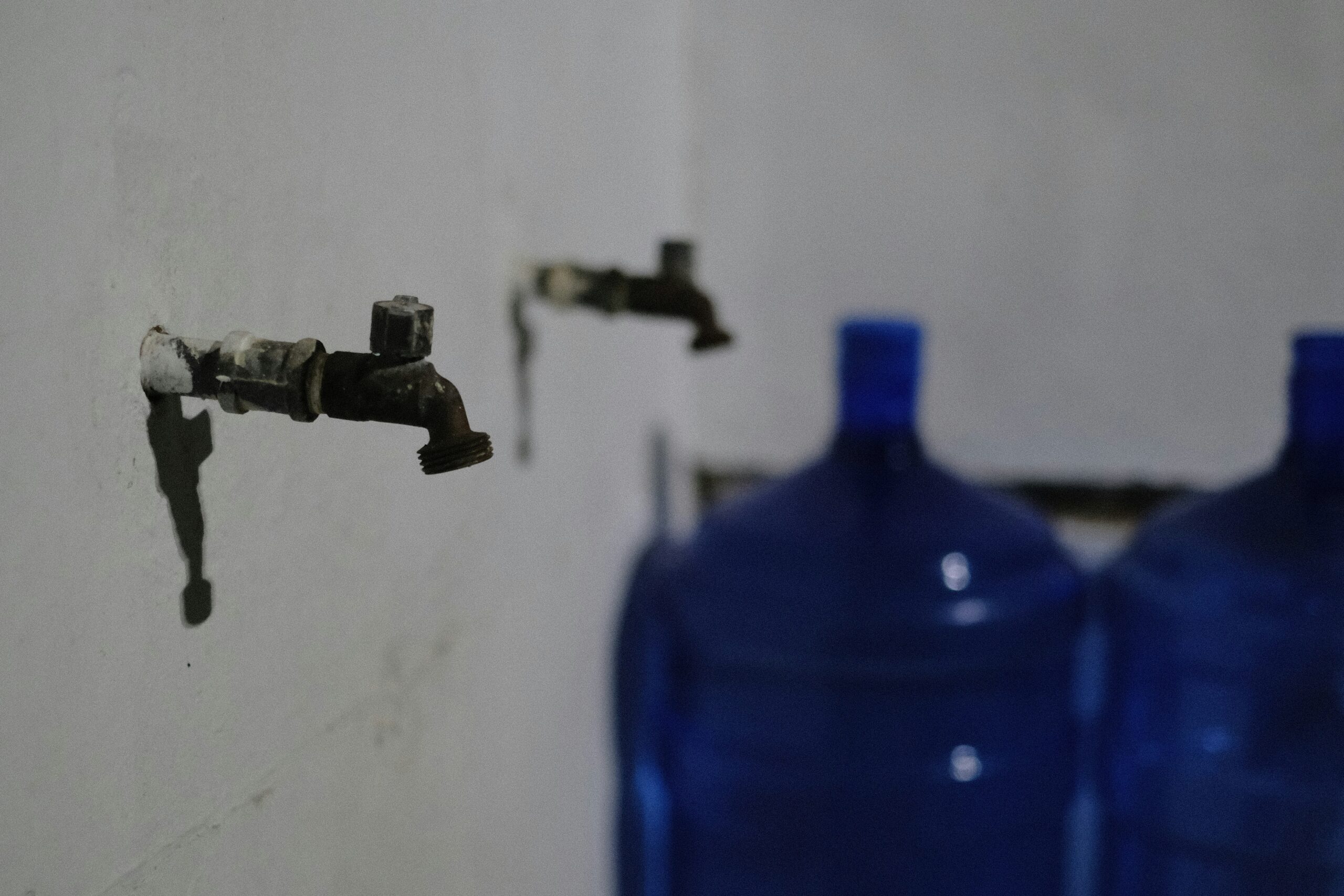
The Valve Won’t Turn at All
If the handle won’t move or feels frozen in place, mineral buildup or corrosion is likely.
This is very common with older gate valves.
The Valve Turns but Water Keeps Flowing
If you turn the valve fully off and water still runs inside the house, the internal components may be worn or broken.
This means the valve is no longer doing its job.
The Valve Leaks When You Use It
If water drips or sprays from the valve stem when you turn it:
- Internal seals may be failing
- Packing material may be worn
This is a clear sign the valve needs attention.
The Handle Spins or Feels Loose
If the handle turns freely without resistance, it may no longer be connected to the internal shutoff mechanism.
In this case, the valve may appear to work but doesn’t actually control water flow.
Step-by-Step: How to Test a Shutoff Valve Safely
Step 1: Choose a Time When Water Use Is Low
Make sure no one is showering, running appliances, or using fixtures.
Step 2: Turn the Valve Slowly
Turn the valve clockwise a small amount.
Do not force it. Resistance is normal; immobility is not.
Step 3: Open a Faucet
Open a sink or tub faucet and watch the flow.
- If water stops completely, the valve is working
- If water continues flowing, the valve may be failing
Step 4: Turn the Valve Back On Slowly
Restore water gradually to avoid pressure issues like low water pressure after turning the water back on or air in the lines.
What Not to Do
- Don’t force a stuck valve
- Don’t ignore small leaks at the valve
- Don’t assume the valve will work in an emergency
- Don’t wait until a burst pipe to test it
A failing shutoff valve should be addressed proactively.
When to Call a Professional
Call a plumber if:
- The valve won’t turn at all
- Water doesn’t shut off fully
- The valve leaks when operated
- The valve is corroded or deteriorating
Replacing a shutoff valve is usually straightforward and far cheaper than uncontrolled water damage.
Safety Notes
- Test your shutoff valve at least once a year
- Turn valves slowly to prevent pressure shock
- Keep the valve accessible and visible
- Avoid blocking it with storage or furniture
A working shutoff valve is one of the most important safety features in your home.
Common Homeowner Questions
Can I fix a stuck shutoff valve myself?
Sometimes gently working it back and forth helps, but forcing it can cause failure. Replacement is often safer.
Is a leaking valve dangerous?
Yes. Even small leaks can worsen and indicate internal failure.
Should I upgrade an old valve?
Yes. Many homeowners replace older gate valves with modern ball valves for reliability.