Quick Answer:
If your bathtub only delivers cold water, it can be either a problem at the tub valve (mixing cartridge or anti-scald stop) or an issue with the water heater or supply. Start by checking hot water at a nearby sink and confirming the heater is producing hot water. Running the tub on full hot and inspecting the tub valve’s temperature limiter will narrow it down quickly.
Why This Happens
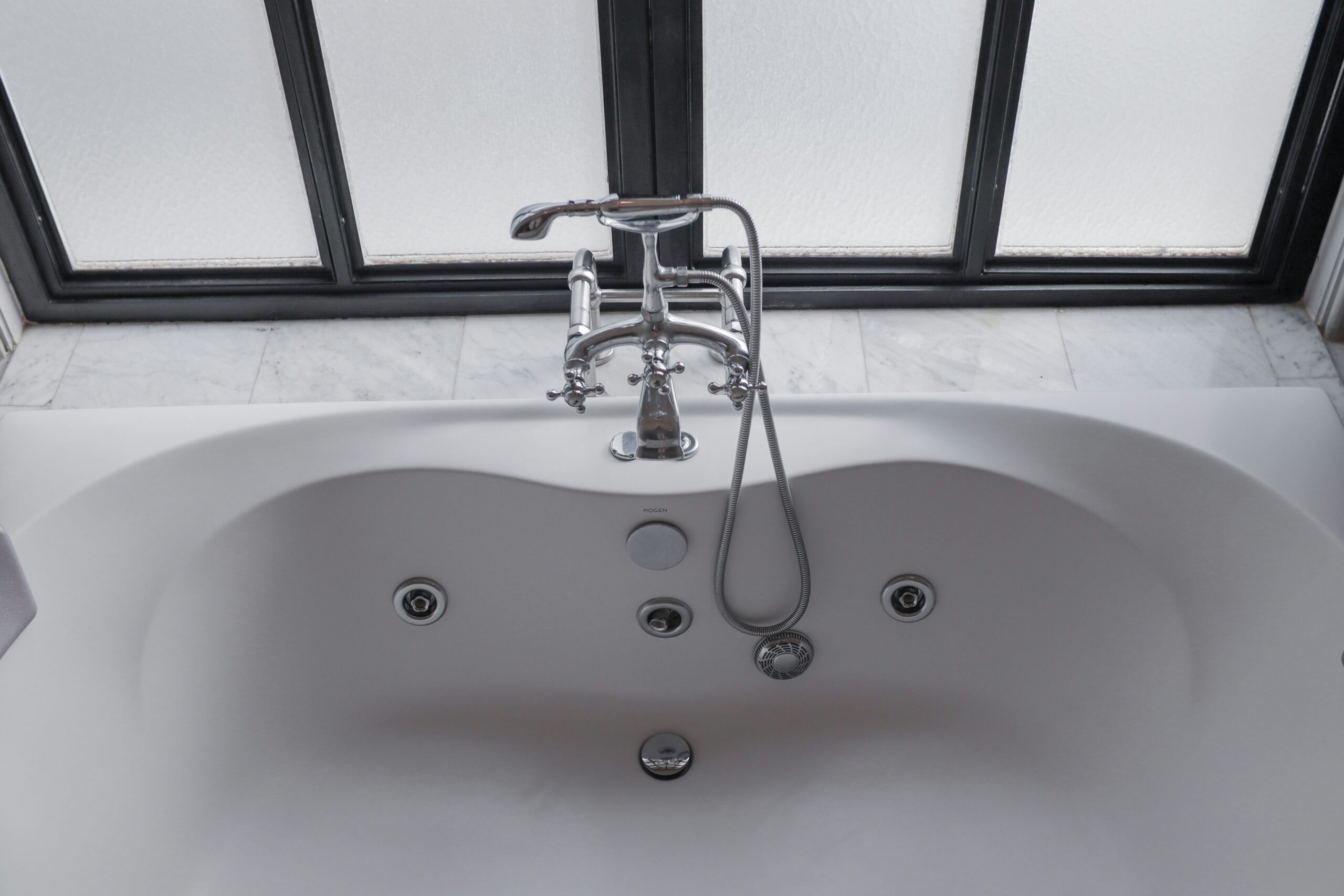
- Valve or cartridge failure: Tub faucets use a mixing valve that blends hot and cold. A stuck or damaged hot-side cartridge or a blocked hot port will let only cold through.
- Water heater or supply problem: If the heater isn’t making hot water or the hot supply is interrupted, nothing will reach the tub.
- Anti-scald device set too low: Many tub valves have a temperature limit stop that prevents enough hot water from mixing in.
- Recent shutoff or pressure change: After a main shutoff or service, hot-side lines can take time to restore flow or may contain debris.
Step-by-Step What to Do
1. Check a nearby sink for hot water
- Turn the sink tap fully to hot and let it run for 30–60 seconds. If it’s hot there, the heater and supply are likely fine and the tub valve is the culprit.
- If the sink is also cold, the problem is upstream — either the heater or the hot water supply.
2. Confirm the water heater is operating
- Check the heater’s power or gas: electric breakers should be on; gas pilot or ignition should be lit. Look for error lights or leaks.
- Check temperature setting and recent events: if the heater was turned off or there was recent work on plumbing, that can affect output.
- If you suspect the water heater not working, don’t keep testing fixtures until you confirm heater status—investigate the unit first.
3. Run the tub on full hot
- Turn the tub control all the way to the hot position and let it run for 2–3 minutes. Note any temperature change and how long it takes.
- If the tub starts getting hot slowly, it could be a delay from the heater recovering or air in the line. If it never gets hot while other fixtures do, the tub valve is suspect.
4. Inspect the tub valve’s anti-scald limit
- Many mixer valves have a small stop or screw that limits how far the handle moves toward hot. If it’s set too low, the handle will never supply full hot.
- Remove the handle per manufacturer instructions (with the water off and no pressure) and check the limiter. If you’re uncomfortable, stop and call a pro.
5. Consider a hot-side blockage
- Debris, mineral buildup, or a corroded cartridge can block the hot inlet inside the valve. If the hot side is blocked, cold water will still flow from the cold inlet.
- After confirming the heater and nearby fixtures are hot, a stuck or clogged cartridge is a likely cause.
- Also allow time if there was a recent shutoff—sometimes flow and temperature change as lines settle. Give the system a few minutes and remember typical timelines for the plumbing to recover; this is especially relevant after a service when you should wait for the water pressure normalize time.
What Not to Do
- Do not disassemble the valve under pressure.
- Do not keep testing until scalding occurs in hopes of forcing a fix.
- Do not ignore other heater symptoms like no hot anywhere, leaks, or strange noises.
When to Call a Professional
- No hot water at multiple fixtures after checking the heater, or the heater shows fault indicators.
- Evidence of a leaking valve, corroded parts, or if you need internal cartridge replacement and aren’t comfortable shutting off and draining the tub lines.
- If the anti-scald mechanism needs adjustment but the handle or trim must be removed and you’re unsure how to relieve pressure and avoid damage.
Safety Notes
- Always turn off water supply and relieve pressure before disassembling any valve. Working on a pressurized line can cause injury and damage.
- When checking the water heater, turn off the power or gas if you smell gas or see a leak. Call a qualified technician for gas appliances.
- Be cautious about temperature tests. Run water into a bucket first to judge temperature instead of placing your hand directly under the flow.
Common Homeowner Questions
- Why does my tub get hot later than my sink? The tub is farther from the heater and has larger pipes; it can take longer for hot water to reach it.
- Can I fix a stuck cartridge myself? Only if you’re comfortable shutting off water, relieving pressure, and following the manufacturer’s removal steps; otherwise hire a plumber.
- How long should I wait after a shutoff before troubleshooting? Wait a few minutes for pressure and temperature to stabilize; if nothing improves, proceed with the checks above.