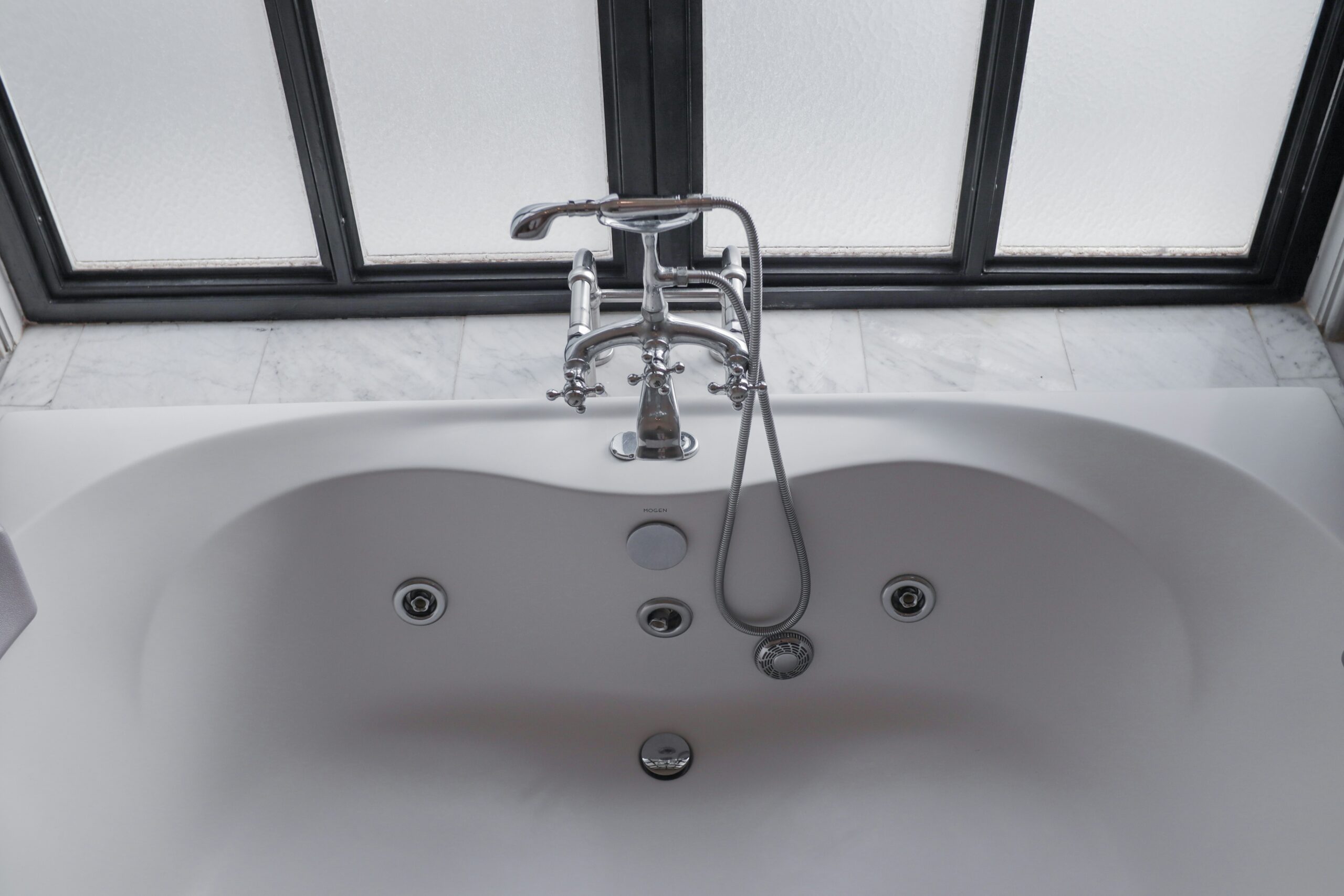
A bathtub that stays cold while another tap gets hot needs a different investigation from a home with no hot water anywhere. The comparison helps describe the problem, but it does not by itself prove a failed tub cartridge. Record whether the tub has normal flow, weak flow or no flow, and whether this began after work.
Rule out a room or appliance emergency first
If you smell fuel gas or suspect a gas leak, leave the building or affected area immediately and take others with you. Do not operate switches, plugs, phones, appliances, thermostats or valves in the affected area, light flames, or stay to ventilate or investigate. From a safe location well away, call the local gas emergency service or emergency services. Do not re-enter until responders say it is safe. Plumbing checks and normal maintenance must wait.
If a carbon monoxide alarm sounds or you suspect carbon monoxide exposure, get everyone outside immediately and call emergency services from safety. Carbon monoxide has no smell; an odor comparison cannot rule it out. Do not restart or repeatedly cycle a fuel-burning heater to investigate a possible combustion problem.
Keep away from wet electrical equipment. Do not touch wet appliances, plugs or switches, or enter water to reach a breaker. When no gas leak is suspected, power may be isolated only from a safely accessible dry location; otherwise call an electrician or emergency help. Wet equipment needs qualified assessment before it is used again.
Choose the matching pattern
- Several hot outlets are cold. Look for an existing safely visible heater fault indicator or known service interruption. Do not reset breakers, relight a burner, open electrical covers or repeatedly cycle a heater to investigate.
- Only the bathtub stays cold. The tub branch, supply controls or the actual mixing valve may need assessment. A hot nearby sink does not test every part of the tub supply.
- The tub warms slowly but eventually becomes hot. Delivery delay is a separate pattern from no hot supply. Use the original timing and demand history; there is no fixed waiting period that certifies recovery after work.
Safe next steps
- Use observations from ordinary use. Do not stand in the tub or turn the valve to full hot as a challenge test. Unexpectedly hot output can arrive after a delay. Keep children and anyone unable to react quickly away from temperature checks.
- If there are no emergency, leak, water-quality or drainage concerns, compare only safely accessible ordinary outlet behavior. Follow the fixture instructions for an attended temperature check with a suitable thermometer and accepting receiver; do not judge scald safety with a hand or a bucket of unknown-temperature water.
- Identify the valve make/model from existing paperwork or a safely visible label. Pressure balancing, thermostatic mixing and handle-travel limits are different functions. A limit stop should be assessed and calibrated by the actual model method; a photograph or a small arbitrary adjustment is insufficient.
- Before any permitted internal valve work, the actual hot and cold feeds must be isolated, the affected segment relieved and absence of pressure verified by the model procedure. Closing an unrelated stop or opening a remote tap may not isolate or relieve this valve. Use qualified service when the feeds, component or procedure are uncertain.
- For persistent loss, recent installer work, a heater fault, unsafe output or a leak, contact the installer or suitable plumber. Testing is not a prerequisite to a call. Share which outlets are affected and the exact work history.
What should I avoid?
Do not raise the heater setting, defeat temperature protection or remove pressurized retaining parts to obtain hotter water. Keep normal heater service separate from suspected gas or wet-electrical events: those require the departure or stay-clear response above.
Related guides
- Why Your Water Heater Isn’t Working After Turning the Water Back On
- Shower Takes Too Long to Heat Up
Browse the broader Shower & Bathtub Water Delivery category for other symptoms.