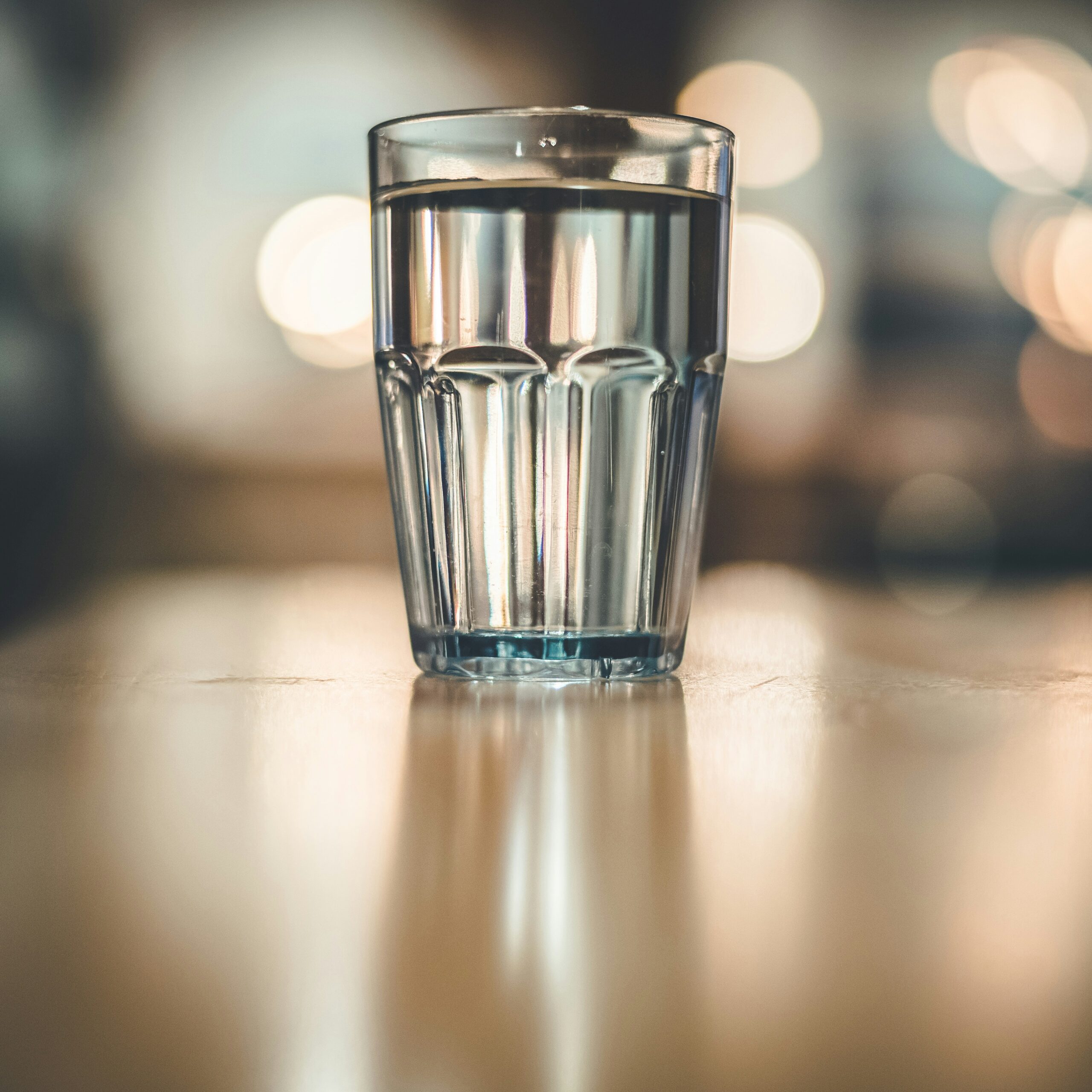
This page covers water that tastes or smells chemical, bleach-like, or “pooly” — for example water that suddenly smells of chlorine after a boil, outage, or nearby work. These changes can be isolated to hot water, cold water, upstairs fixtures, or a single location like the kitchen or shower; they sometimes ease after running the tap for a minute.
Related subcategory: Water Contamination, Taste & Odor
City work, outages, and supply changes
Use these articles when the issue began after municipal work, a pressure event, or a service outage.
-
Chemical smell after city work
Explains why utility flushing or treatment changes can leave a temporary chemical or disinfectant odor and what to check at the tap.
-
Chemical taste after water outage
Describes how outages and depressurization can disturb sediment or disinfectant levels and steps to clear the lines.
-
Chemical smell after pressure change
Outlines common causes when a pressure spike or drop coincides with a new chemical smell and basic troubleshooting actions.
-
Strong chlorine after curb stop use
Covers cases where work at the curb or main can introduce higher chlorine or flushing water into your supply and how long it may persist.
Hot-side, cold-side, and heater-related clues
These articles focus on whether the taste or odor appears only with hot water, only cold water, or after the water heater refills.
-
Chlorine smell only in hot water
Discusses how heater chemistry, tank disinfecting, or anode reactions can make hot water smell stronger than cold.
-
Sudden chemical taste in cold water
Looks at supply-side changes, filters, and fixtures when the problem is present in cold taps but not the heater.
Where you notice it (shower, kitchen, dishes)
These pieces help narrow causes when the smell or taste is strongest at a particular fixture or activity.
-
Strong bleach smell in shower
Notes factors like aerators, water temperature, and local piping that make showers more likely to reveal chlorine odors.
-
Chemical odor from kitchen faucet
Addresses faucet components, filters, and plumbing routes that can concentrate chemical smells at the kitchen sink.
-
Chemical odor when washing dishes
Explores why dishwashing—hot water, detergent interaction, or rinse cycles—can make chemical tastes or smells more noticeable.
-
Smell appears only after flushing toilet
Considers sewer-air, venting, or pressure shifts that can cause a brief chemical-like odor after fixture use.
-
Chemical smell only upstairs
Highlights riser piping, branch lines, and water-age differences that can make upper-floor taps smell different from downstairs.
Filter and smart-shutoff timing
If the taste or smell started after installing or servicing equipment, these articles focus on those scenarios.
-
Chlorine taste after filter replacement
Explains how new filters, rinsing procedures, or trapped air can temporarily alter taste and what to do first.
-
Chemical taste after installing smart shutoff
Looks at how added devices that interrupt flow or hold water can change taste by increasing residence time or disturbing seals.
Taste intensity and timing patterns
These articles help when the problem is defined by how strong it is, when it occurs, or whether it clears after running the tap.
-
Strong chlorine taste in tap water
Summarizes likely sources when the chlorine flavor is obvious at multiple taps and steps to verify municipal vs. home causes.
-
Taste like pool water
Compares pool-like sensations with common disinfectants and recommends simple checks to narrow the cause.
-
Taste worse in morning
Explains why stagnant overnight water can concentrate tastes and how a short flush or maintenance step often helps.
-
Taste disappears after running tap
Describes scenarios where a temporary taste is due to aged water in the lines and when flushing is an appropriate remedy.
All Articles in This Cluster
- Chemical smell after city work
- Chemical taste after water outage
- Chemical smell after pressure change
- Strong chlorine after curb stop use
- Chlorine smell only in hot water
- Sudden chemical taste in cold water
- Strong bleach smell in shower
- Chemical odor from kitchen faucet
- Chemical odor when washing dishes
- Smell appears only after flushing toilet
- Chemical smell only upstairs
- Chlorine taste after filter replacement
- Chemical taste after installing smart shutoff
- Strong chlorine taste in tap water
- Taste like pool water
- Taste worse in morning
- Taste disappears after running tap