Quick Answer:
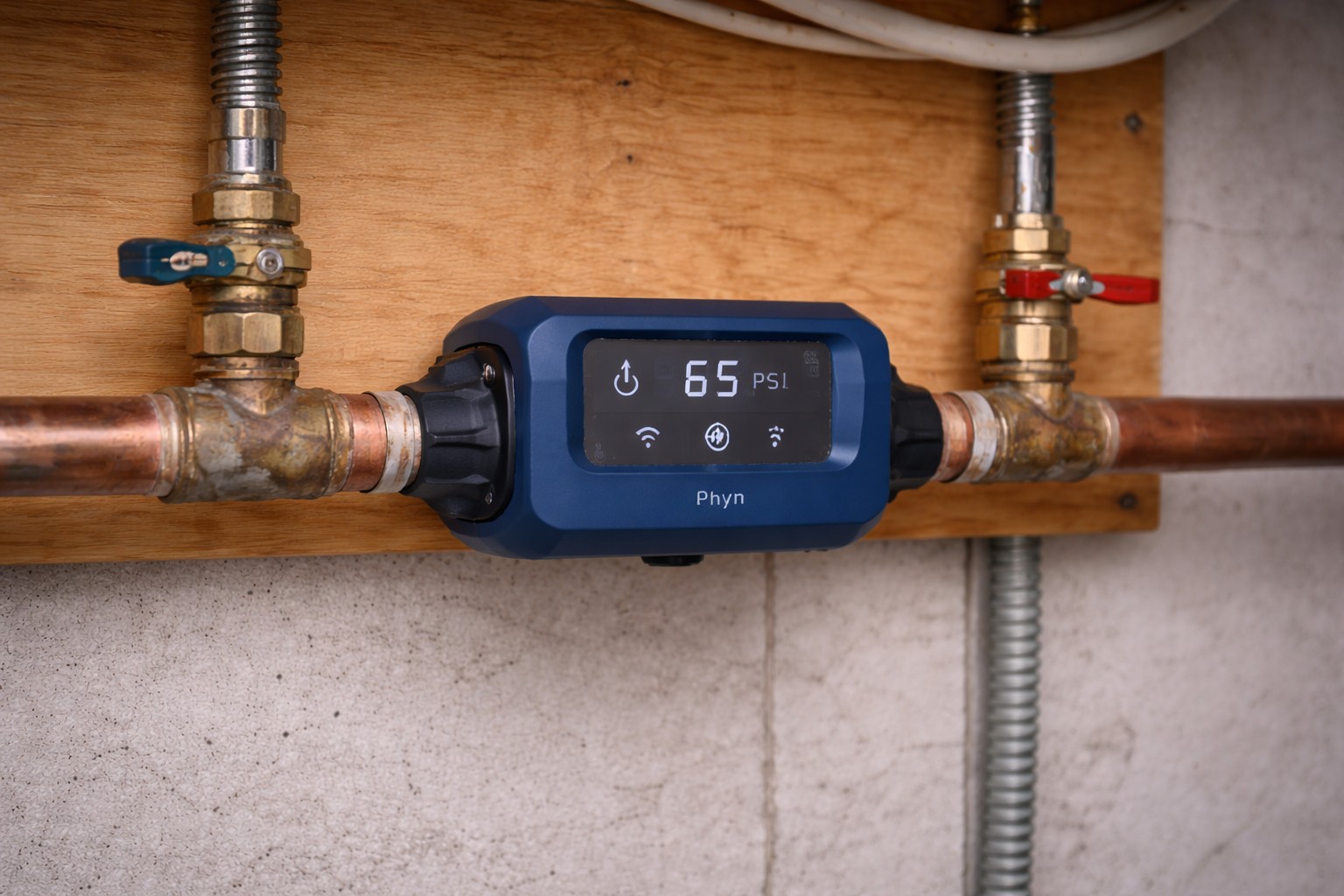
If you taste a chemical after adding a smart shutoff, the device may be cycling your line quickly and drawing water that was sitting in treated mains or in a device body. Stop rapid cycling, run and flush the tap, then cycle the valve slowly and retest taste to see if the problem clears.
Why This Happens
Smart shutoff valves monitor flow and can open and close frequently when looking for leaks or small flows. Rapid on/off cycling can pull water from different parts of the distribution system, including water that has been treated with disinfectants or that has sat in a section of pipe or the device itself. That can change how the water tastes.
If the smell or taste is tied to a specific action (for example, you only notice it after a flush) check related causes in other guides like Smell appears only after flushing toilet. If the flavor is strongly like pool chlorine, see Strong chlorine taste in tap water for more on sources and treatment.
Step-by-Step What to Do
1. Stop rapid cycling immediately
- Put the device into a manual or disabled mode following the manufacturer’s instructions so it stops automatic open/close cycles.
- Do not force the valve open or disassemble the unit unless you are trained to do so.
2. Flush the affected tap
- Run cold water from the faucet for 2–5 minutes to clear any water that sat in the line or in the device body.
- Smell and taste the water after flushing; note any change.
3. Cycle the smart valve slowly and retest taste
- Use the app or control to open and close the valve with longer waits between actions (for example, open, wait several minutes, then close).
- After each change, let the faucet run briefly and taste (or better: smell) the water only after flushing enough water to be confident you aren’t sampling stagnant water.
4. Check nearby devices and treatments
- Look at filters, softeners, or recent work on the water main that could change water chemistry.
- If you recently changed a filter or installed a new component, follow the manufacturer’s flush-in instructions for that part.
5. Record and monitor
- Write down when the taste appears (time of day, after what actions, how long it lasts).
- If the taste disappears after slow cycling and flushing, that supports the rapid-cycle explanation. If it persists, move to the next steps under When to Call a Professional.
What Not to Do
- Do not leave smart valves cycling rapidly. Continuous on/off actions can pull treated or stagnant water into your tap and may wear the device.
- Do not drink or cook with water that tastes strongly chemical until you are sure the cause is resolved.
- Do not open or disassemble the shutoff valve or main without clear manufacturer guidance or professional support.
When to Call a Professional
- Contact the device manufacturer or installer if you cannot stop rapid cycling, if the device behaves abnormally, or if configuration changes are needed.
- Call a licensed plumber if the taste persists after flushing and disabling the device — they can test for contamination, check fittings, and inspect treatment equipment.
- Contact your water utility if multiple taps are affected or if you suspect a supply-side issue; they can confirm whether treatment changes or main work could be the cause.
Safety Notes
- If water tastes chemical and you are unsure of the source, use bottled water for drinking and cooking until the issue is resolved.
- Avoid using hot water for consumption when taste is present — hot water draws more contaminants from tanks and heater surfaces.
- Follow manufacturer guidance for modifying device settings. Incorrect adjustments can disable safety features or cause unintended leaks.
Common Homeowner Questions
- Why did the taste start after installing the device?
Rapid cycling or trapped water in the device can change what you taste at the tap. - Will flushing the tap fix it?
Often yes—flushing removes stagnant or treated water that caused the flavor; retest after flushing and slow cycles. - Is the water dangerous?
A chemical taste is usually unpleasant rather than immediately dangerous, but avoid drinking it until you know the source and it tests normal.
Related Articles
If you’re troubleshooting a similar symptom, these guides may help:
For the full directory, see Chlorine or Chemical Taste and Odor.