Quick Answer:
If you notice a chemical smell at nearby sinks right after you flush, don’t panic. Flush the toilet once more while watching other fixtures, ventilate the area, and check for obvious sources like in-tank cleaners or recent municipal work. Many causes are harmless and temporary, but if the smell is strong, persistent, or makes people feel ill, get professional help.
Why This Happens
- Pressure change in the drain lines when you flush can push air and odors into nearby fixtures if a trap seal is weak or a vent is blocked.
- In-tank or in-bowl cleaners and some disinfectants release a chemical smell when they enter the drain system.
- Hot water systems or recent refilling of a water heater can release odors that appear when hot water moves through shared plumbing. See Chemical odor after water heater refill for related details.
- Municipal water work, line flushing, or chemical treatments can produce brief tastes or odors that show up after you run water. If you suspect this, read more on Chemical smell after city work.
- Dry or partially dry traps on nearby sinks let sewer gas or odors enter the room when the toilet flush changes air pressure in the drain stack.
Step-by-Step What to Do
1. Observe immediately
Flush the toilet and monitor nearby sinks immediately. Watch for odors at each sink, listen for gurgling noises, and note whether the smell appears right after the flush or lingers.
2. Ventilate the area
- Open windows and doors, and turn on an exhaust fan or a bathroom fan to clear the air.
- Do this before you spend more time diagnosing the problem, especially if the smell is strong.
3. Check traps and fixtures
- Run water in nearby sinks and floor drains for 10–20 seconds to refill P-traps and restore the water seal.
- Look for gurgling or slow drains that might indicate a vent or blockage issue.
4. Inspect the toilet tank and products
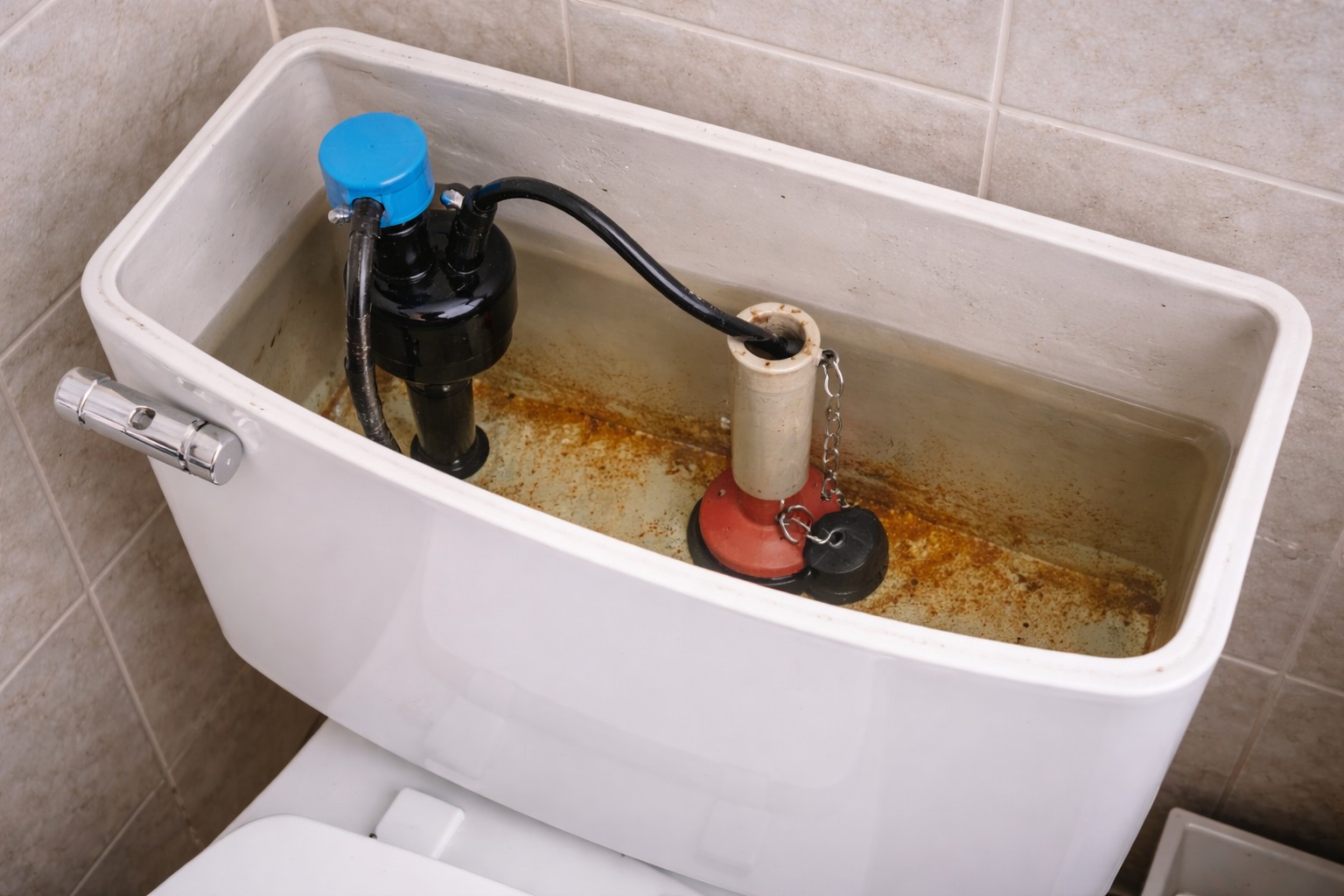
- Check for in-tank cleaners or tablets that release chemicals when flushed. Remove them if needed and see if the smell stops.
- Smell the tank lid and bowl after the toilet has been flushed to identify if the odor source is localized to the toilet.
5. Consider recent changes
- Ask household members whether anyone added cleaners to the system or if the hot water heater or municipal supply was recently serviced.
- If the odor follows only when hot water runs, the water heater is a likely source.
6. Test over time
- If the smell is gone after ventilation and running water, it may have been a temporary pressure or product issue. Monitor for repeats over the next day.
- If it returns consistently after flushing, document when and where it appears before calling for service.
What Not to Do
- Do not repeatedly flush to hide odor. This can push more contaminated water through the system and make diagnosis harder.
- Do not mix household chemical cleaners in drains—mixing bleach with ammonia or acids can create dangerous fumes.
- Don’t ignore symptoms like headaches, nausea, or persistent breathing irritation; these are signs to act quickly.
When to Call a Professional
- Persistent odor that returns after ventilation and running water.
- Any household member experiences headaches, dizziness, or respiratory symptoms from the smell.
- Visible sewage backups, slow or gurgling drains, or repeated loss of trap water.
- If you suspect a supply-side contamination or major plumbing vent blockage—call a licensed plumber or your water utility depending on the issue.
Safety Notes
- Ventilate immediately if the smell is strong. Fresh air reduces exposure while you investigate.
- Avoid close inhalation of strong chemical odors and remove children, pets, and anyone with breathing issues from the area until it clears.
- Do not attempt to inspect the sewer line or make major repairs yourself. Standby for a professional if you suspect sewer gas or a hazardous chemical release.
Common Homeowner Questions
- Is this dangerous? If the smell is mild and temporary, it’s often just an odor issue; if it’s strong or causes symptoms, treat it as potentially hazardous and seek help.
- How can I stop it quickly? Ventilate, run water in nearby sinks to refill traps, and remove any in-tank toilet cleaners to see if the smell stops.
- How do I tell chemical vs. sewer gas? Chemical odors often smell like bleach or solvents and can follow hot water or city work; sewer gas smells rotten or sulfur-like. If in doubt, take precautions and call a professional.
Related Articles
If you’re troubleshooting a similar symptom, these guides may help:
For the full directory, see Chlorine or Chemical Taste and Odor.