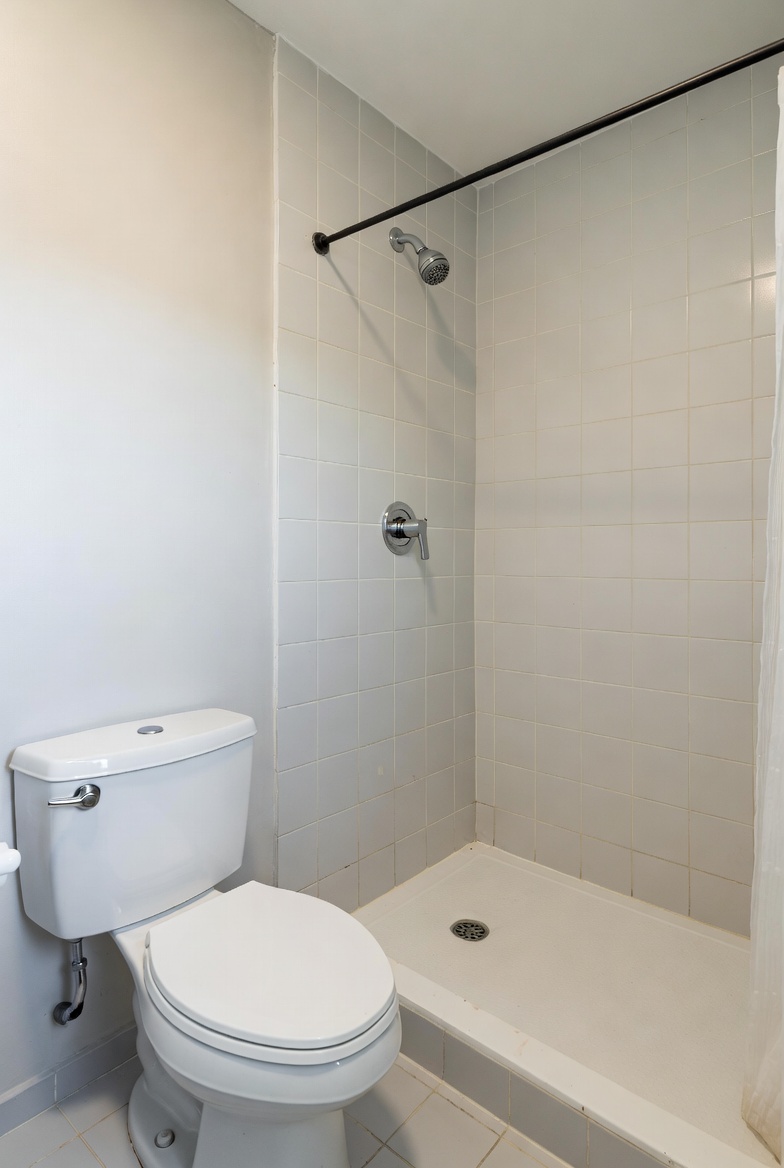
When a toilet overflows even though the drain looks clear, the cause is usually something other than a simple clog. This hub groups real situations — timing, appliances, pressure events, and work or installations — so you can pick the article that matches what you see at home. If you want a broader look at toilet behavior and supply/bowl interactions, see the category Toilet Fill, Flush & Bowl Dynamics.
Problems after work, installs, or winter service
This section covers overflows that start after a repair, remodel, or installing equipment — often related to venting, trap alignment, or a new device interacting with the system.
- Overflow after plumbing repair
Explains common installation mistakes and temporary debris left in lines that let water flow but still cause the bowl to overflow intermittently.
- Overflow after remodel
Covers how rerouted drains, new fixtures, or changed venting during remodeling can create unexpected backflow into a toilet.
- Overflow after installing new toilet
Walks through seal, trapway alignment, and flange height issues that let water back up even when the main drain seems clear.
- Overflow after filter install
Shows how added filters or softeners can change flow characteristics and pressure, sometimes causing toilets to overflow during certain flows.
- Overflow after winterization
Details common mistakes from winterizing or de-winterizing plumbing that leave airlocks, partial obstructions, or incorrect valve positions.
- Overflow after smart shutoff trip
Explains how automatic shutoff devices or their resets can interrupt pressure balance and lead to brief or persistent overflow behavior.
Pressure, outages, and weather-related events
These articles address overflows triggered by changes in water pressure, city supply interruptions, or storm conditions that can send water the wrong way through drains.
- Overflow after city outage
Explains how supply interruptions and the restoration process can introduce air, sediments, or sudden pressure changes that affect toilets.
- Overflow after pressure change
Covers overflows that follow ups and downs in household water pressure and what to check in valves, regulators, and vents.
- Overflow during storms
Discusses how heavy rain, surcharge on sewer lines, or saturated ground can cause clear-drain overflows into toilets.
Appliances and shared-drain interactions
If the overflow happens when another device runs, the problem is often a shared drain, partial blockage downstream, or an overwhelmed sewer line.
- Overflow when washer drains
Looks at how washer discharge can exceed a shared drain’s ability and force water back up into the toilet despite no local clog.
- Toilet overflows when shower runs
Explains cross-connections and downstream restrictions that let shower water push into the toilet bowl.
- Overflow when water heater refills
Describes scenarios where water heater refill or expansion causes brief pressure surges that affect toilets on the same line.
- Overflow when multiple toilets flushed
Shows why simultaneous flushing can overwhelm a drain or vent and how to tell if the issue is downstream capacity versus a vent problem.
Timing, sudden events, and no-visible-blockage cases
This group helps with overflows that appear without an obvious obstruction or that happen only at certain times — clues that point to vents, intermittent blockages, or pressure cycling.
- Toilet overflows but drain not clogged
Focuses on venting problems, partial downstream restrictions, and how traps and seals can disguise the cause of an overflow.
- Overflow with no visible blockage
Offers troubleshooting steps for invisible issues like vent obstructions, saddle traps, or root infiltration that don’t show at the bowl.
- Toilet floods suddenly
Helps identify sudden failures such as fill valve faults, float misadjustments, or abrupt pressure events that cause a fast overflow.
- Toilet overflows intermittently
Explains patterns to watch for and tests that reveal intermittent blockages, cycling pressure, or appliance timing that lines up with overflows.
- Overflow only at night
Looks at nighttime-only overflows and why lower daytime use, pressure changes, or municipal maintenance can make problems appear after dark.
All Articles in This Cluster
- Toilet overflows but drain not clogged
- Overflow with no visible blockage
- Toilet floods suddenly
- Overflow after plumbing repair
- Overflow only at night
- Overflow after city outage
- Toilet overflows when shower runs
- Overflow after winterization
- Overflow when washer drains
- Overflow when multiple toilets flushed
- Overflow after pressure change
- Overflow after remodel
- Toilet overflows intermittently
- Overflow when water heater refills
- Overflow after installing new toilet
- Overflow after filter install
- Overflow after smart shutoff trip
- Overflow during storms