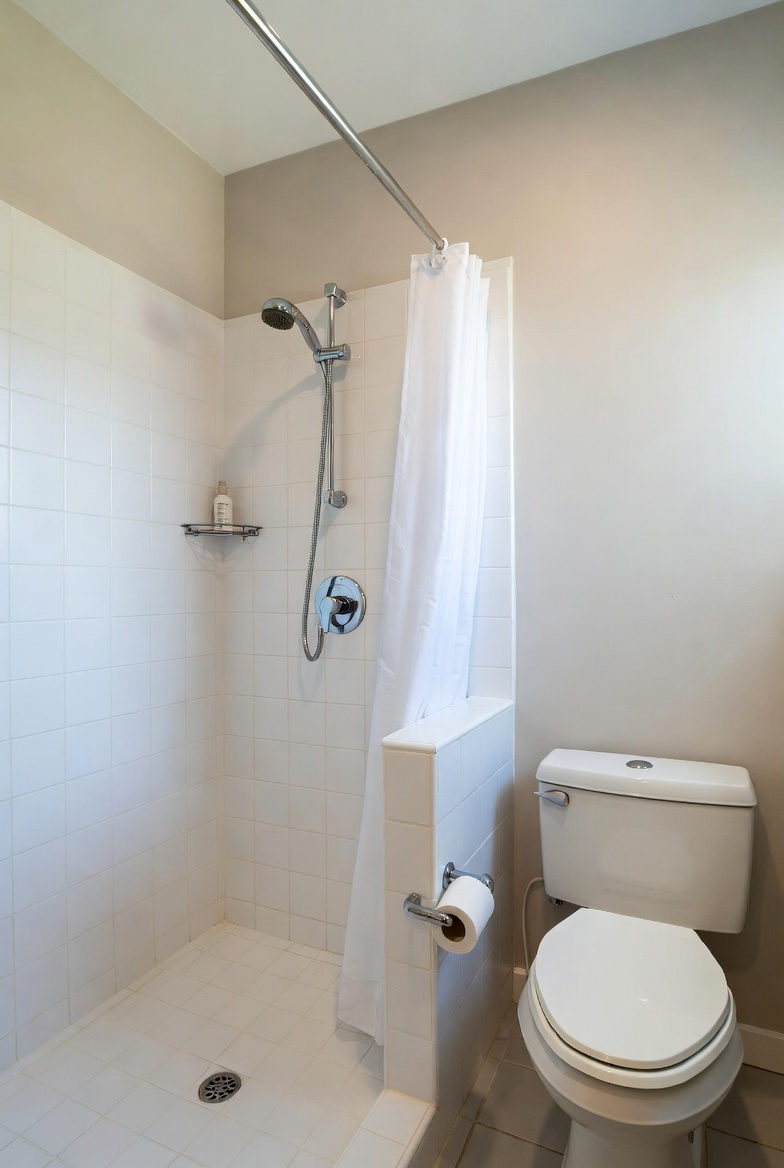
Check for an emergency first
For strong, widespread or unexplained gas-like fumes, exposure symptoms, or suspected high sewer-gas concentrations in an enclosed space, leave the building immediately and call the fire department or emergency services from outside. Avoid flames, switches and other ignition sources; do not remain to ventilate, sniff drains or investigate. Smell intensity does not measure the concentration. A faint localized drain odor without those warning signs calls for a different plumbing investigation; it does not automatically establish a fuel-gas leak.
If fuel gas is suspected, leave the building or affected area immediately. Do not operate valves, switches, plugs, appliances or phones there. Call the gas emergency service from a safe location well away, and wait for responders’ clearance.
Keep away from wet electrical equipment. Do not touch wet appliances, plugs or switches, or enter water to reach a breaker. When no gas leak is suspected, power may be isolated only from a safely accessible dry location; otherwise call an electrician or emergency help. Wet equipment needs qualified assessment before it is used again.
For a toilet flooding suddenly, stop flushing and distinguish water rising over the bowl rim from a tank or supply leak. Do not assume a temporary sewer surge or wait for a timer before requesting help. A bowl level falling on its own does not prove that the obstruction or shared-system problem has cleared.
Useful details to record
- Where the water first appeared: bowl rim, tank, supply connection or base.
- Whether refill continued, a flush preceded it or water rose without toilet use.
- Other affected fixtures already observed, missing objects, storms, recent work and any chemical used.
What the pattern can tell you
- The bowl rose after one flush and no other drains are affected. A local restriction is possible; use the bounded plunger conditions below rather than assuming the entire system is clear.
- Water rises without flushing or several fixtures respond. Stop household discharge and obtain prompt shared-drain help. Closing the toilet supply does not stop a sewer return.
- Water comes from the tank, connection or base. Stop use and have the actual leak assessed. A plunger is not a repair for a leaking supply or broken fixture.
What to do next
- Do not flush again while the bowl is high or the cause is unresolved. If fresh supply is continuing to refill it, close an identified, safely accessible toilet supply stop under its actual operating method; do not force a seized valve. Closing that stop limits incoming supply, but cannot stop wastewater returning from a sewer.
- During an active backup, stop adding water and keep connected appliances from discharging, only using safely accessible dry controls when no gas emergency is suspected. Do not run other fixtures or a full basin to reproduce the event. Keep people and pets away from wastewater; arrange prompt drainage help for sewage or several affected fixtures.
- Check the chemical history before touching the drain. If a drain opener or other chemical may remain, follow its exact label, keep people clear and tell the service provider what was added. Do not plunge, snake, open a trap, run a disposal or improvise a neutralizer while hazardous residue may remain. A guessed wait or rinse does not establish safety.
- For a single ordinary toilet restriction only, with no chemicals, shared-backup signs, damaged fixture or emergency hazard, a suitable toilet plunger may be used once the bowl has room without spilling. Wear appropriate gloves and eye protection. Seat it according to the tool instructions and use controlled gentle pulses; stop for leakage, unsafe movement or no improvement.
- Do not blindly push a suspected toy or other hard object deeper, use a sink cable or remove the toilet by a generic procedure. Seek service when plunging is unsuitable, ineffective or the problem returns.
- For sewage outside a fixture, multiple affected drains, ongoing unexplained rising water or recurrence, arrange prompt plumbing help. Report a suspected public-system backup through the local sewer agency or building manager. Keep out of contaminated areas and use appropriate restoration help; do not open a sewer cleanout, climb to a roof vent or enter a tank or manhole.
Is a slowly falling bowl enough reason to flush again?
No. Partial restrictions can allow water to seep past while still backing up under a flush. After appropriate correction, any functional check should be attended, controlled and suitable for the actual toilet, with a usable supply stop and room in the bowl. Stop if it rises again; do not repeat floods.
Related situations
Safety sources
- Con Edison: suspected gas leaks
- Wisconsin DHS: sewer-gas exposure and emergencies
- CDC: electrical hazards near water
- Madison Metropolitan Sewerage District: responding to a sewer backup
- Korky: stopping a toilet-bowl overflow
- Korky: toilet-plunger fit and controlled technique
- Example drain-opener label: restrictions on plunging, disposal operation and mixing