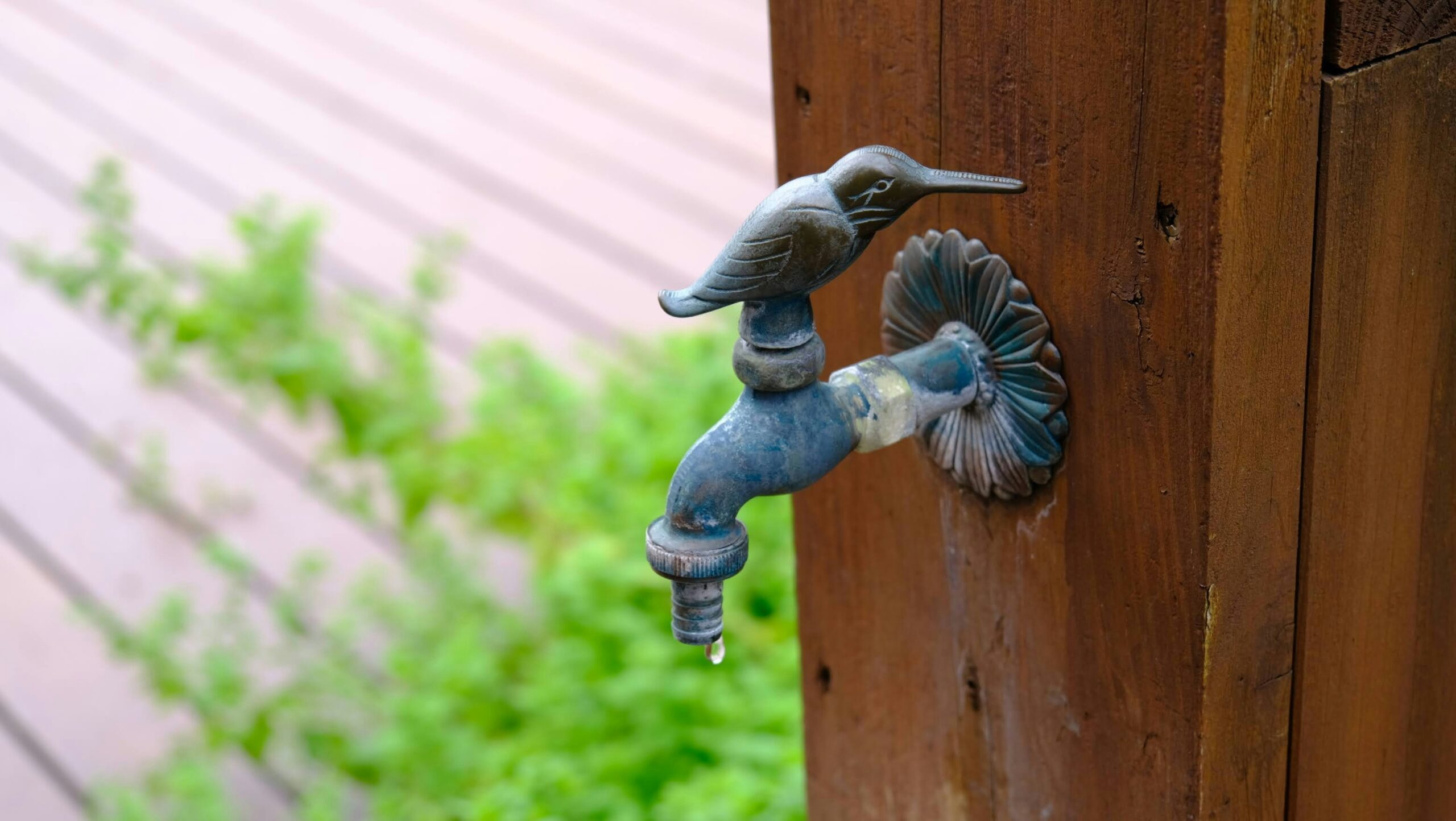
Water behind an outdoor faucet is a containment problem that can involve its barrel, a connection or another nearby path. A stain can track away from the source; it is not permission to cut a wall or reopen the faucet to find spraying water.
Keep away from wet electrical equipment. Do not touch wet appliances, plugs or switches, or enter water to reach a breaker. When no gas leak is suspected, power may be isolated only from a safely accessible dry location; otherwise call an electrician or emergency help. Wet equipment needs qualified assessment before it is used again.
Stop and isolate from safe access
Stop use and close a known effective homeowner branch control, or a safely accessible known main if needed. Keep suspected damage isolated. Do not enter water to operate a breaker. One nearby breaker does not certify all concealed services safe. Obtain urgent help for uncontrolled flow, electrical exposure or structural danger.
Document before new access
Photograph existing wetness from a safe dry position and record the original operation, hose state, freeze history and already-known air or no-water events. Those related symptoms do not prove a freeze crack. An intended existing access panel may allow safe observation; do not cut drywall, remove siding or pry into a wet cavity on a guessed location. Planned new access needs the actual hidden-service, structure and material hazards assessed.
Identify the real failure
A qualified investigation can distinguish an actual joint leak, body damage and water arriving from another location. Stain direction, a dry visible joint or a short no-leak interval cannot certify the concealed path. A frozen barrel can leak only while used, but other faults can share that timing. Do not use repeated supply-on trials as the location method.
Before removing a bonnet, packing, operating rod, cartridge or pressure-retaining breaker part, identify the exact model and its approved service procedure. Close a known effective homeowner supply control for every feed, control other connected inputs, and relieve and verify pressure at the actual serviced segment. A different indoor tap may not relieve an isolated outdoor branch. Stop if flow continues, the control is uncertain or parts bind. Use compatible approved parts and fully secure all pressure-retaining and protective components before an attended restoration. Re-isolate and verify relief before further disassembly. Cosmetic handle trim and maker-permitted external packing adjustment are different operations; neither authorizes loosening an unknown retainer under pressure.
Drying and materials
Control the source and assess electrical, sewage, mold, fiber and other material hazards before handling wet insulation or using powered drying equipment. Gloves or a simple mask do not resolve an unknown cavity hazard. Arrange suitable remediation when extent or materials require it. Begin appropriate drying promptly; a quoted mold time range is not permission to wait. Do not close the wall over wet or unassessed material.
Return to service and records
The actual corrected, fully assembled system needs a planned attended check with safe containment and receiving capacity. Stop and re-isolate for renewed wetness. Keep repair and drying records. Any insurance response depends on the actual policy and circumstances; this symptom alone establishes no coverage.
Related situations
- Outdoor Spigot Sprays Air Before Water
- Outdoor Spigot Has No Water After Winter
- Outdoor Spigot Leaks Under Load