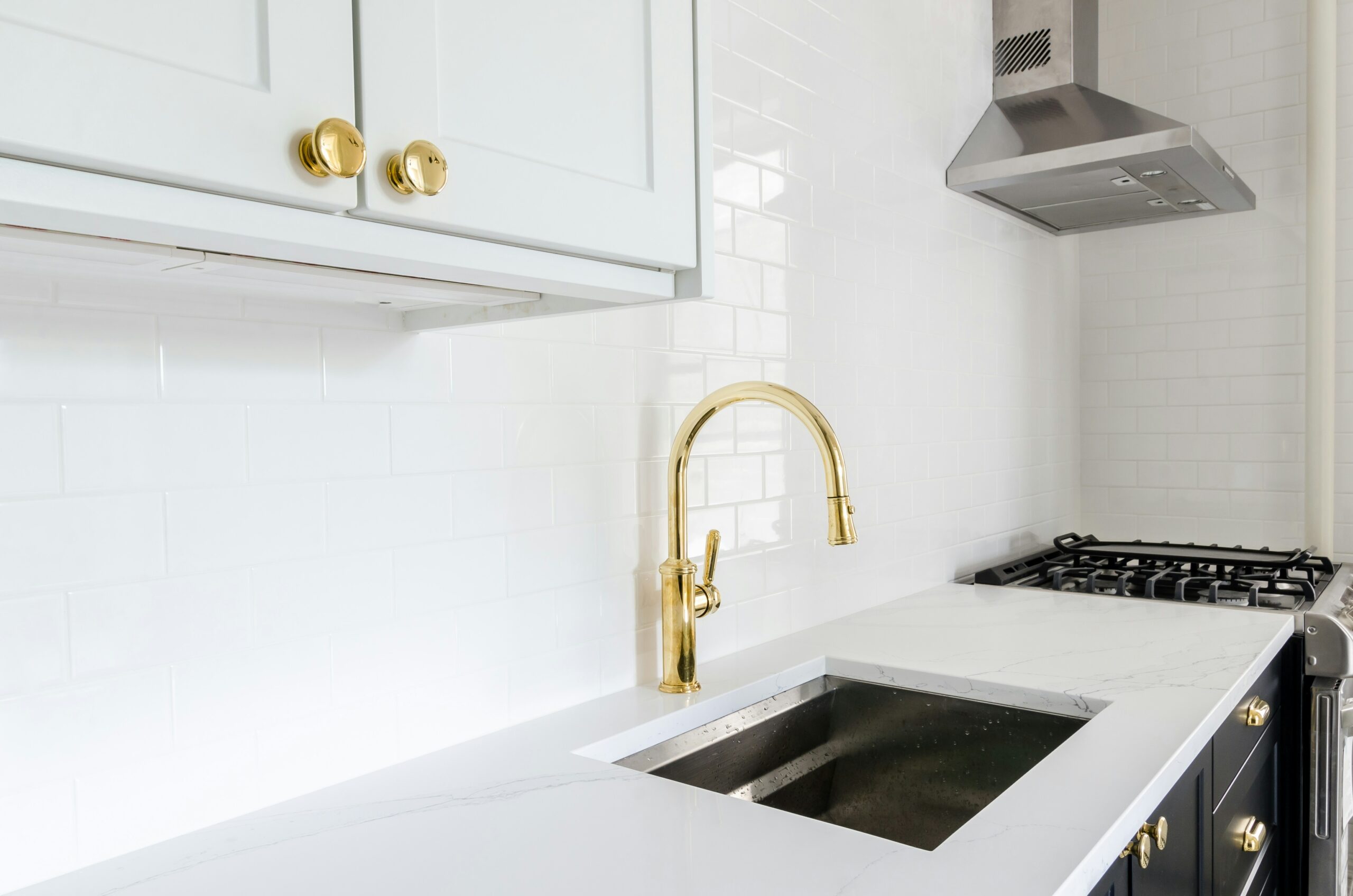
Milky water first noticed at a kitchen tap in the morning needs the actual water, nonuse and supply record. Bottom-up clearing can support an air contribution; it does not certify safety or identify every source.
Safety before another test
If fuel gas is suspected, leave the building or affected area immediately. Do not operate valves, switches, plugs, appliances or phones there. Call the gas emergency service from a safe location well away, and wait for responders’ clearance.
Keep away from wet electrical equipment. Do not touch wet appliances, plugs or switches, or enter water to reach a breaker. When no gas leak is suspected, power may be isolated only from a safely accessible dry location; otherwise call an electrician or emergency help. Wet equipment needs qualified assessment before it is used again.
Stop affected use for leakage, unsafe temperature, damaged parts or a receiver that cannot accept water. Use only an identified safely accessible permitted owner control without force, or obtain prompt appropriate help.
If a new unexplained color, odor or other water-quality change accompanies the event, do not taste it or boil unknown water as a general remedy. Use a known-safe consumption source and contact the supplier for the actual restrictions and restoration directions. Clear flow does not lift an advisory.
Keep the original event
- First ordinary draw versus water that sat in a glass, with vessel history.
- Existing bubble/settling behavior and any color, odor or material concern.
- Actual faucet/heater/treatment work, nonuse and supplier notices.
What the observation establishes
A faucet feed and the sanitary drain are separate systems in a correctly installed arrangement. A P-trap, disposer outlet or drain air-admittance valve does not directly pressurize or aerate the faucet supply. Appliance filling can affect shared supply demand; appliance draining enters a receiving waste path. Do not claim crossover or contamination without the actual connecting path and evidence; suspected non-potable entry needs prompt supplier response. Several affected taps or a hot-only observation can guide scope, but neither uniquely separates the supplier, shared internal path or local component.
What to do next
- For a new unexplained change, use a known-safe consumption source and obtain actual supplier/lab use and collection directions before flushing or cleaning.
- Do not shut appliance feeds, run cycles or use other taps as a mandatory source-confirmation sequence.
- Keep a drain gurgle or wastewater return separate from a cloudy supply sample; do not remove a P-trap or replace an AAV to clear tap water.
- If suitable after collection decisions, clean only the intended owner-removable outlet under its exact cool/off/tool/finish method.
- Follow actual event restoration and equipment readiness. Repeated daily until-clear flushing or a clear glass cannot lift a notice or establish the cause known.
Actual service and restoration
Before opening a cartridge retainer, hose, filter housing or other water-retaining part, identify the actual model and every relevant feed. Establish effective source isolation, controlled pressure release and verification; a closed suspect stop is not proof and a stop cannot isolate its own inlet. Keep feeds isolated during removal/refitting except for a specifically prescribed controlled captured service arrangement. Secure compatible parts fully before normal restoration, then complete actual leak and functional checks. A bucket or comfort with tools does not establish safe source control.
For suitable ordinary outlet care, keep the faucet off, parts cool and the basin able to receive any permitted discharge. Use the actual accessible aerator or spray-head design, key/tool, parts stack and compatible cleaner/contact time without force. Preserve required restrictors, checks and seals. A specifically prescribed captured aerator-removed flush can be legitimate; it is different from removing a cartridge or supply hose. Follow its complete temperature, source, accepting-discharge and shutoff-before-refit conditions, then check the fully refitted outlet.
Does water clearing in thirty seconds make it safe to drink?
It can describe bubbles leaving, but does not analyze dissolved or coexisting substances. A supplier-confirmed familiar air-only condition and a new unexplained change need their own appropriate responses.
Related guides
These links address distinct symptoms. A faucet-supply problem, drain return and appliance event do not establish the same fault.
- Kitchen Sink Water Turns Brown After Ice Maker Runs
- Kitchen Sink Overflows When Washing Machine Drains
- White Particles, Cloudy Water, or “Milky” Water
- Bathroom Sink Water Is Cloudy After Sitting
- Kitchen Sink & Food Waste Plumbing