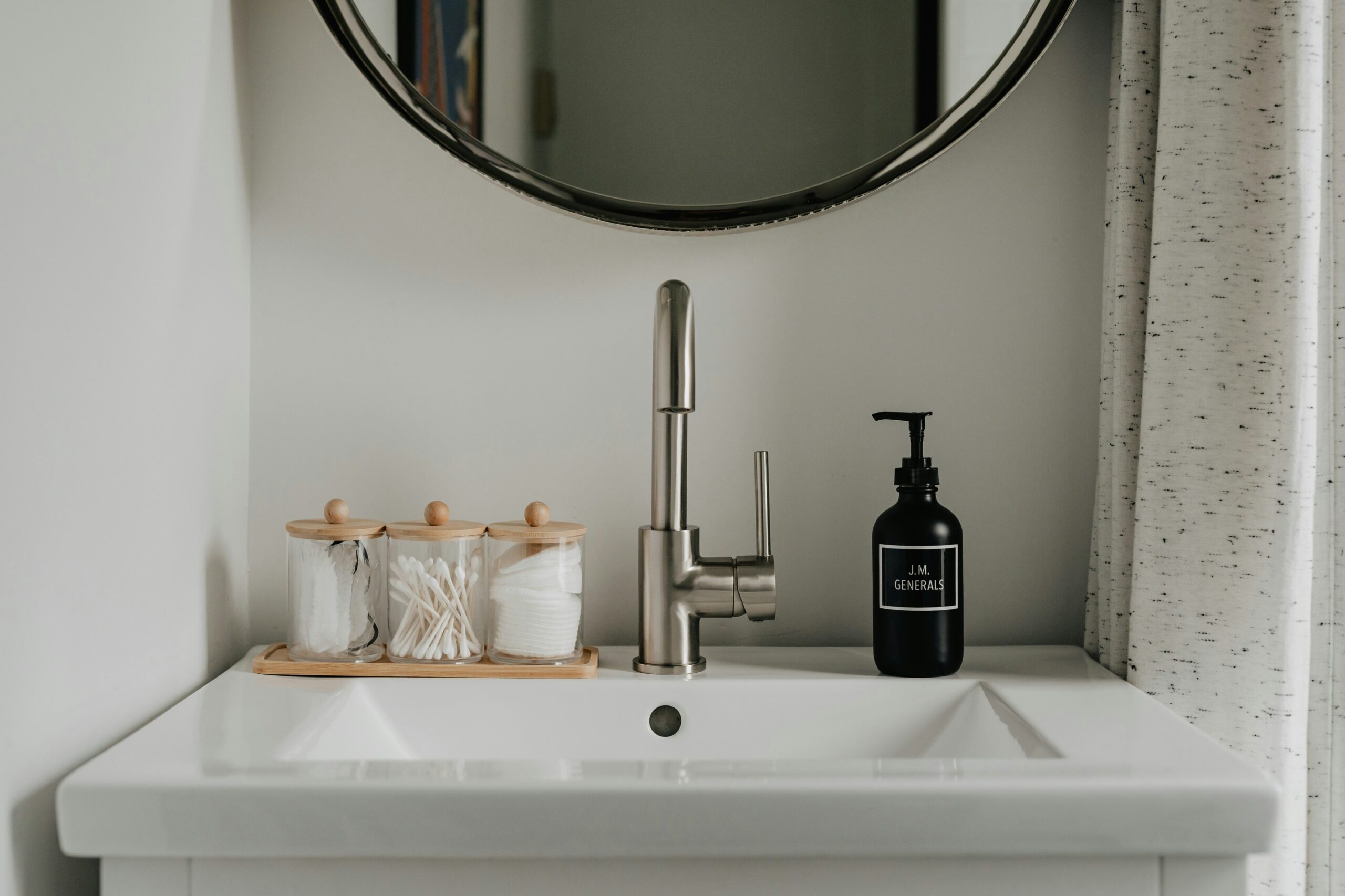
Cloudiness after a bathroom sink sat unused needs the original water and use history. Tiny bubbles can be an ordinary visual effect; clearing after thirty seconds does not establish the source, identify particles or certify drinking-water safety.
Hazards and appropriate water use
If fuel gas is suspected, leave the building or affected area immediately. Do not operate valves, switches, plugs, appliances or phones there. Call the gas emergency service from a safe location well away, and wait for responders’ clearance.
Keep away from wet electrical equipment. Do not touch wet appliances, plugs or switches, or enter water to reach a breaker. When no gas leak is suspected, power may be isolated only from a safely accessible dry location; otherwise call an electrician or emergency help. Wet equipment needs qualified assessment before it is used again.
For a new, unexplained water-quality change: do not deliberately taste the water. Use bottled water or another known-safe supply for drinking, food preparation, teeth brushing and ice while you contact the supplier. Follow the actual local notice for other uses. Boiling does not make chemically contaminated water safe, and clear appearance or a fading odor does not certify safety.
Keep the original evidence
- First ordinary tap use versus water that sat in a glass, with vessel and cleaning history.
- Existing bubble behavior, settled/persistent material or color; do not collect hottest water or rub unknown debris.
- Actual fixture, heater and treatment work, nonuse interval and any supplier notice.
What it does and does not establish
Air may come out of solution as pressure falls or water warms. If bubbles rise and dissipate, clearing can progress from the bottom upward; that describes an air contribution, not every possible substance. Nonuse, neighbor reports and a hot-only observation do not uniquely isolate the supply, heater or faucet.
What to do next
- For a new unexplained change, obtain actual supplier/lab use and collection advice. Do not choose consumption by a clear glass or short flush.
- Do not cycle the sink stops, run hot/cold extremes or drain a heater to see if cloudiness changes.
- Where suitable after sampling decisions, clean only the identified owner-removable aerator under its actual tool/finish method, with water off/cool parts and complete refit. No universal vinegar soak or retained-valve inspection follows from a milky glass.
- A separate drain odor needs its own severity and wastewater-path assessment. Do not assume a cloudy supply sample proves a dry trap or remove a trap to investigate tap water.
Sampling before changing conditions
Ask the supplier or a state-certified drinking-water laboratory which substances, sample points, bottles and collection/handling conditions fit the history. Get that plan before collecting or changing conditions. Ask whether a first-draw sample is needed before flushing, cleaning an aerator or changing treatment. A household jar, paper towel, tank drain or stored glass is not a universal water-quality sample.
Actual service and restoration
For any justified internal valve, filter, hose or heater work, identify the actual model and every feed/return and energy source. Use effective isolation, controlled pressure release and verification, appropriate cooling, retained parts and a secured accepting discharge path. Reassemble compatible components fully before restoring pressure. A lower pressure setting, closed suspect valve, gloves or a small hot draw does not establish safe service conditions. Verify the required complete fill and air purge before energizing an electric storage heater; check leakage and protected intended operation.
Use the actual supplier, installer or product restoration instructions when applicable after the concern is assessed. Keep plumbing sound and assembled, the drain able to accept the discharge, safe temperature and continuous attendance. Stop for leakage, backup or a new hazard. Do not invent a hotter, longer, multi-outlet or appliance purge. A clear stream, normal feel or fading smell cannot by itself certify the substance, device readiness or water safety.
Does bottom-up clearing make the water safe to drink?
It can be consistent with rising air bubbles, but does not analyze dissolved contaminants or lift any notice. Familiar provider-confirmed air-only appearance and a new unexplained quality change need different advice.
Related guides
- White Particles, Cloudy Water, or “Milky” Water
- Bathroom Sink Sputters After Water Shutoff
- Why Your Sink Smells Like Sewer Gas
Safety sources
- Con Edison: suspected gas leaks
- CDC: electrical hazards near water
- CDC: drinking-water advisories
- EPA: certified drinking-water laboratories
- EPA: home testing and laboratory collection instructions
- Example electric-heater manual: filling and maintenance requirements
- CDC: selecting and maintaining a water filter
- USGS: air bubbles, temperature and pressure effects on cloudy water