Quick Answer:
If hot water tastes metallic, it most often comes from corrosion or dissolved metals in the hot-water side of your plumbing or water heater. Stop using hot water for drinking or cooking until you check the source. Run a few minutes of hot water, inspect accessible pipes and fittings, and follow the step-by-step checks below to see whether the heater or copper tubing shows scale or corrosion.
Why This Happens
Metallic taste in hot water can come from several common causes:
- Corrosion of copper pipes, brass fittings or the water heater’s internal components — when metal dissolves into warm water it can taste like coins or metal.
- A worn or missing sacrificial anode in the water heater. When the anode is depleted, other metals inside the tank can corrode more quickly.
- Acidic or highly mineralized water that accelerates metal leaching.
- Loose corrosion flakes or scale that collect in faucets and aerators.
If the change happened quickly, or if other hot-water issues appeared at the same time, consider reading the guide on Hot water quality changed suddenly to help decide whether this is an isolated smell/taste or part of a larger problem. If your hot water is cloudy at certain times of day, also check Hot water cloudy only in morning for related causes.
Step-by-Step What to Do
1. Stop using hot water for drinking or cooking
Use cold water for consumption until the source is identified and fixed. Cold water drawn from the cold tap is less likely to carry metals from the heater.
2. See whether the taste is only in hot water
- Run cold and hot taps separately. If only hot water tastes metallic, the heater or hot-side piping is the likely source.
- If both hot and cold taste metallic, the issue may be with the main supply or service line.
3. Inspect hot supply tubing for copper scale
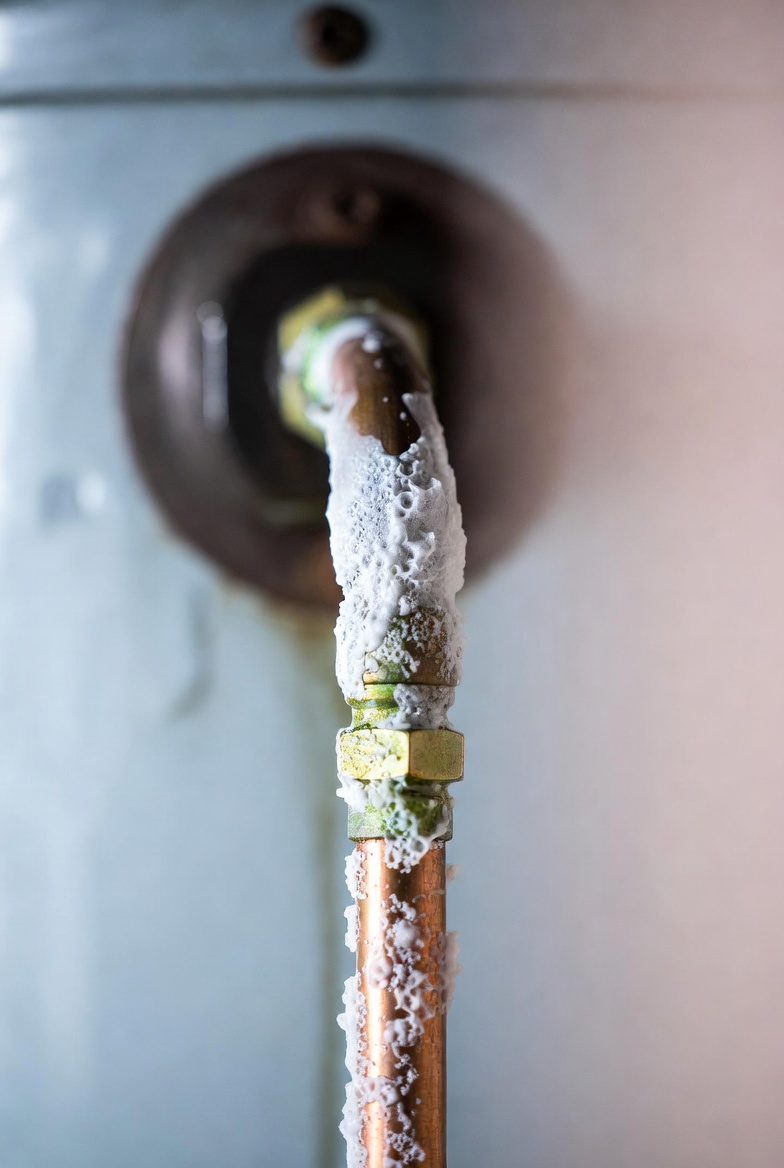
Look where hot water exits the heater and along accessible copper runs. Signs of scale or corrosion include green/blue tarnish, flaking, or discolored deposits on pipe surfaces. Also check under sinks and at valves for green staining or brittle fittings. If you see scale or active corrosion, avoid touching heavily corroded areas and note the locations for a plumber.
4. Check faucet aerators and strainers
- Remove aerators and screen filters at faucets and inspect for metallic flakes or reddish-brown sediment. Rinse the screens and sample the sediment; persistent metal flakes point to upstream corrosion.
5. Flush the water heater
Draining and flushing the tank can remove loose sediments and improve taste. If you’re comfortable doing this: turn off power or gas to the heater, attach a hose to the drain valve, open a hot faucet to relieve pressure, and drain a few gallons until the water runs clearer. If you’re not comfortable with this, hire a plumber.
6. Inspect the anode rod and heater connections
If the rod is heavily corroded or gone, the tank is more likely to leach metal. Checking or replacing an anode rod is a reasonable next step, but consider a professional if you’re unsure how to safely access tank internals.
7. Test the water if the problem continues
If flushing and basic checks don’t help, get a water test for copper, lead and pH. Results will guide treatment—such as replacing piping, adjusting pH, or replacing the heater.
What Not to Do
- Do not mask penny taste with flavoring.
- Do not keep drinking hot water that tastes metallic—avoid using it for cooking or baby formula until resolved.
- Do not attempt complicated heater repairs (like removing heating elements or cutting into the tank) unless you are trained and the power/gas supply is safely isolated.
When to Call a Professional
- Visible corrosion, leaking fittings, or green/blue metal staining around joints.
- Persistent metallic taste after flushing and aerator cleaning.
- An older water heater with a depleted anode rod, or if you are not comfortable turning off power/gas and flushing the tank.
- Water test showing elevated copper or lead levels.
Safety Notes
- Before inspecting or flushing a water heater, turn off electric power at the breaker or set the gas control to “pilot” (follow manufacturer instructions). Let the tank cool to avoid scalding.
- Relieve pressure by opening a hot faucet before working on drain valves or fittings.
- Wear gloves and eye protection if you handle corroded parts or drain tank water with sediment.
- If you smell gas or suspect a gas leak, leave the house and call your gas utility or emergency services immediately—do not attempt repairs yourself.
Common Homeowner Questions
- Q: Can a water filter fix the metallic taste?
A: A point-of-use filter rated for metals can help, but first identify and fix the source; filters are a temporary or supplemental measure. - Q: Is the house plumbing or the heater more likely the culprit?
A: If only hot water tastes metallic, the heater or hot-side piping is most likely; if both hot and cold are affected, check the main supply. - Q: Is it dangerous to drink hot water that tastes metallic?
A: Short-term exposure to a small metallic taste is usually not acutely toxic, but avoid consuming it until the source is fixed and get testing if levels may be elevated.