Quick Answer:
After a water heater refills, low hot pressure at one or more fixtures is usually caused by air in the hot lines, a partially closed hot outlet valve, a stuck mixing or pressure-balancing device at the fixture, or a restriction in the hot outlet on the heater. Start by comparing hot vs cold pressure at the same fixture and watching the heater and pipes while the pressure changes. Many problems are simple to chase down and fix without replacing large parts.
Why This Happens
- Air trapped in the hot side after the tank refills can block flow until bled out.
- A shutoff or service valve on the hot outlet may not have been fully reopened after refill or service.
- Mixing valves, tempering valves, or pressure-balancing cartridges in faucets and showers can stick after a pressure change and restrict hot flow.
- Scale or sediment near the heater outlet can shift when the tank was refilled and temporarily reduce flow.
- Different behavior between hot and cold at the same fixture points to a hot-side restriction rather than a whole-house supply problem — compare both to confirm.
- If you notice other patterns, such as sudden surges of pressure on hot, that suggests a different cause like a failing valve or thermal expansion device. See notes about Hot water pressure spikes for that scenario.
Step-by-Step What to Do
1. Compare hot vs cold at the same fixture
Open the faucet and turn the cold fully on, then the hot fully on. Note the difference in pressure and flow. If cold is strong and hot is weak at the same fixture, the issue is isolated to the hot side.
2. Check multiple fixtures
Test a second sink and a shower. If low hot pressure appears at every outlet, the problem is likely at the heater or its main hot outlet valve. If it’s only at one fixture, the problem is the fixture (cartridge, anti-scald device, or aerator).
3. Observe the heater while you run hot water
With someone at the heater or by watching indicator lights/sounds, open a hot tap and watch for:
- Whether the inlet and outlet valves are fully open.
- Any unusual noises, sputtering, or cycling that start when the tap is opened — this can show air being pushed out or a restriction moving.
- If the heater’s pressure relief or expansion device activates (you should not see continuous leaking).
These observations help confirm whether the issue follows the tank or stays at the fixture.
4. Bleed air from the hot lines
Particularly after a refill, trapped air is common. Open the highest hot faucet and then the lowest hot faucet in the house to let air purge. Run them until flow becomes steady and free of sputtering.
5. Inspect and open service valves
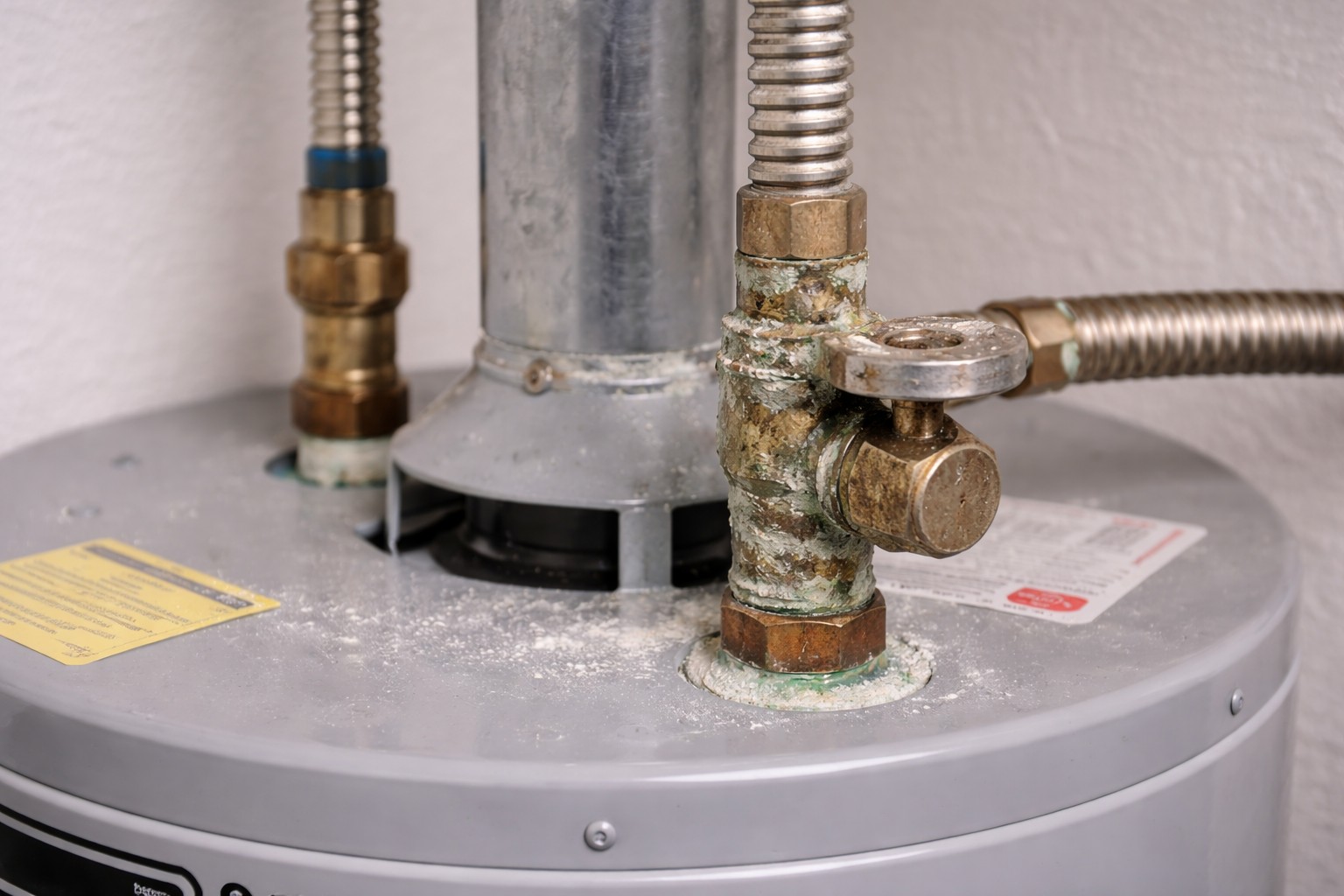
Locate and verify the cold inlet and hot outlet service valves at the heater are fully open. Slightly closed valves or a partially closed isolation valve will reduce hot pressure.
6. Check fixture aerators and cartridges
Remove aerators and flow restrictors from the affected fixture and test. If flow improves, clean or replace the part. For showers, the cartridge or anti-scald device may need attention.
7. If pressure dips when multiple taps are used
If pressure falls significantly when more outlets run simultaneously, that can indicate a supply or pressure-limiting issue rather than a single restriction; see issues like Hot side pressure drops when multiple taps open for guidance on that pattern.
8. Consider tank-side restrictions or sediment
If you rule out valves and fixtures, sediment or an internal outlet problem on the heater can restrict flow. Flushing the tank per the manufacturer’s instructions may help; if you’re not comfortable doing this, call a professional.
What Not to Do
- Do not replace cold-side plumbing for a hot-side-only problem. If cold pressure is normal at the same fixture, the cold plumbing is not the cause.
- Do not open gas burners or electrical access panels on the heater unless you are trained. Turning off gas or power should be done carefully and, if unsure, left to a pro.
- Do not overtighten valves or fittings when trying to fix flow; you can cause leaks or damage.
When to Call a Professional
- If the hot pressure is low at every fixture after you’ve bled lines, checked valves, and cleaned aerators.
- If you suspect a failing mixing valve, tempering valve, or an internal heater outlet issue (sediment buildup or damaged outlet). These often require tools and experience.
- If the heater leaks, shows signs of corrosion, or you’re uncomfortable isolating power or gas before doing more than basic checks.
Safety Notes
- Protect yourself from scalding: run tests with care and avoid directing hot streams at skin.
- Before any work on the heater that involves draining, opening, or accessing internal components, turn off power at the breaker for electric heaters or turn off the gas and pilot per the heater instructions.
- Release pressure by opening a hot faucet and, if draining the tank, follow the manufacturer’s steps. If unsure, hire a pro to avoid injury or damage.
Common Homeowner Questions
Q: How long should I wait after bleeding air for hot pressure to return?
A: Usually a few minutes of running hot water clears trapped air; if pressure is still low after 10–15 minutes, keep troubleshooting.
Q: Could the refill have damaged the heater?
A: Unlikely from a refill alone; more often a stuck valve, air, or sediment shift causes low flow. Call a pro if you see leaks or unusual noises.
Q: Is this an emergency?
A: Not usually. Low hot pressure is inconvenient but not usually dangerous. If there is a leak, smell of gas, or loss of pilot/flame, shut off fuel and call a professional immediately.
Related Articles
If you’re troubleshooting a similar symptom, these guides may help:
For the full directory, see Pressure Fluctuates Only on Hot Water.