Quick Answer:
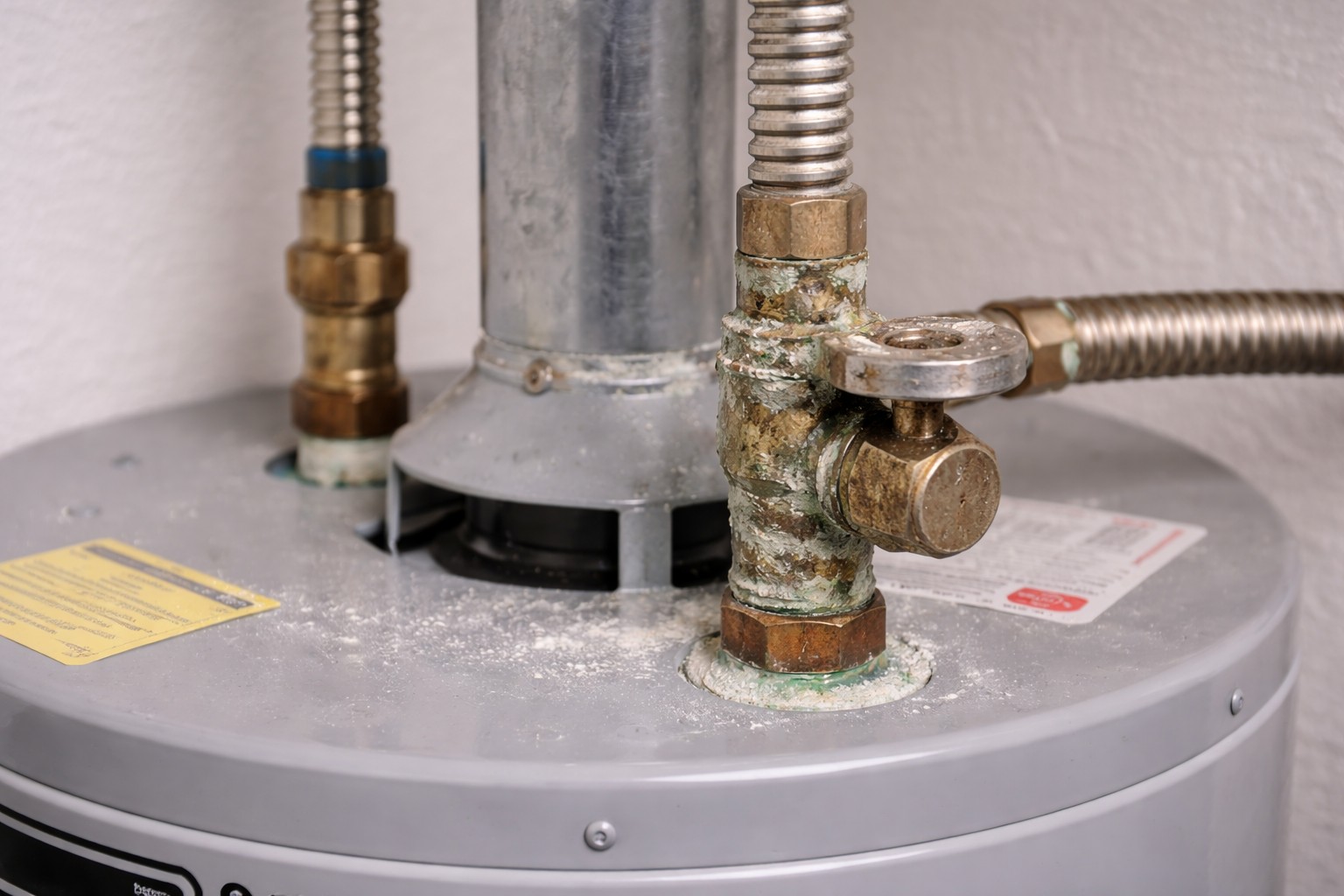
If your hot water pressure dropped right after a new water heater was installed, it’s most often a plumbing adjustment or valve issue at the heater, a mixing valve problem, or an unrelated restriction revealed by the new flow pattern. Start by checking pressure at the same fixture for both hot and cold and watch how the heater behaves while pressure changes. These simple checks will usually tell you whether it’s a hot-side problem or something else.
Why This Happens
- New installations can leave valves partially closed, fittings tightened too much, or new flow-limiting parts in place (a flow restrictor, mixing valve or check valve) that reduce hot flow.
- A thermostatic mixing valve or anti-scald device may be misadjusted or faulty, reducing hot-side flow only.
- On systems with a recirculation pump or tankless heater, controls and sensors can change how the unit cycles, which affects perceived pressure at fixtures.
- If there is any cross-connection between hot and cold, opening the cold can change hot pressure. See note about Hot pressure improves when cold tap opened.
- Peak-use hours or municipal supply variations can make pressure change across the day; this is sometimes why Hot pressure varies by time of day.
Step-by-Step What to Do
1. Compare hot vs cold at the same fixture
- Turn off other nearby taps and appliances.
- Open the cold tap fully and note the flow. Close it.
- Open the hot tap fully at the same fixture and compare. If cold is strong and hot is weak, the issue is on the hot side.
- If both are weak, the problem may be upstream (service pressure or main shutoff).
2. Observe the heater while pressure fluctuates
- Have someone run the hot tap while you watch the heater (tank or tankless) for signs: burner cycling, error lights, pump noise, or leaking fittings.
- Note whether the heater briefly increases flow then drops, or whether it behaves normally while pressure is low. That tells you if the heater is reacting to low flow or causing it.
- For tankless units, frequent on/off cycling at low flow can make output feel weak; for tank systems, valve positions and inlet screens matter.
3. Check valves, filters and aerators
- Inspect the shutoff valves at the heater and at the fixture; open them fully if they are partly closed.
- Remove faucet aerators and shower heads to check for debris or new restrictors.
- Look for sediment screens or in-line filters installed at or after the heater that could be clogged.
4. Inspect mixing and anti-scald devices
- If there is a thermostatic mixing valve, try temporarily bypassing or adjusting it per manufacturer instructions to see if flow returns.
- Faulty mixing valves can let cold back into the hot line or restrict hot flow when they fail.
5. Test with other fixtures and times
- Try other hot fixtures. If all show low hot pressure, the problem is centralized (near the heater or main hot line).
- Test at different times to see if the issue is consistent or tied to supply/use patterns.
What Not to Do
- Do not replace cold-side plumbing for a hot-side-only problem.
- Don’t open gas or electrical panels on the heater unless you are qualified; leave those to a technician.
- Don’t aggressively remove or alter pressure-regulating equipment without confirming it is the cause—this can create unsafe conditions or water damage.
When to Call a Professional
- Pressure remains low after valves, aerators and mixing valves are checked or adjusted.
- There is a gas smell, persistent pilot/burner failure, or electrical faults at the heater.
- There are leaks at fittings, evidence of cross-connection you cannot locate, or the issue involves the municipal service line.
- You are uncomfortable performing any of the valve or device checks mentioned above.
Safety Notes
- Turn off power or gas to the heater before doing any work on the unit if instructions call for it.
- Hot water can burn. Test flow with short bursts and avoid full-body exposure during troubleshooting.
- Don’t attempt gas or electrical repairs unless you are licensed; call a qualified plumber or HVAC technician instead.
Common Homeowner Questions
- Why did this start right after the install? Install work can leave a valve partly closed, add a new mixing device, or change flow patterns that reveal preexisting restrictions.
- Could a new heater cause a cross-connection? Yes—if valves or mixing devices were installed or adjusted incorrectly, cold and hot lines can interact and affect pressure.
- Is it likely a simple fix? Often yes—checking valve positions, aerators, and mixing valves resolves many cases; persistent problems need a pro.
Related Articles
If you’re troubleshooting a similar symptom, these guides may help:
For the full directory, see Pressure Fluctuates Only on Hot Water.