Quick Answer:
If hot-side pressure fell after an expansion tank installation, the install likely changed how the hot side is isolated or the system precharge. Start by checking valves and comparing hot vs cold pressure at the same fixture, and watch how the water heater behaves when pressure drops. Those two checks usually point to whether the tank or a valve/check is the cause.
Why This Happens
An expansion tank changes system pressure dynamics. Common causes for a hot-side pressure loss after installation are:
- A wrong precharge on the expansion tank so it absorbs too much hot-side pressure.
- An unintended check valve or shutoff isolating the hot side (or a valve left partly closed during the install).
- A pressure-reducing valve or mixing valve that now reacts differently with the added tank.
- Installation location that leaves the hot side separated from system pressure sources.
If you had other symptoms before the install, like Hot water pressure spikes, the new tank can change how those events present themselves.
Step-by-Step What to Do
1. Check basic valves and visible connections
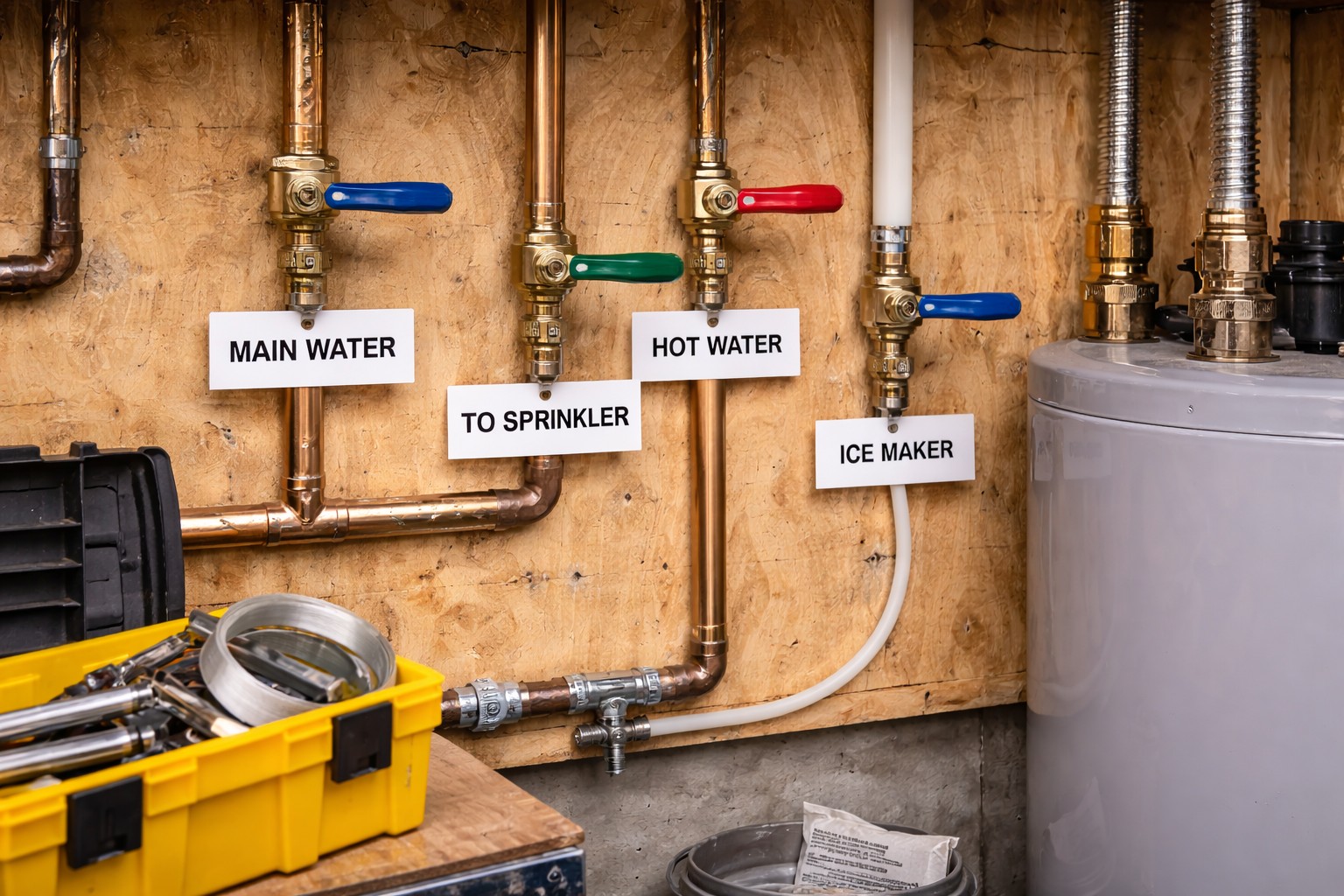
- Confirm the main shutoff, the water heater cold inlet valve, and any local shutoffs are fully open.
- Look for an accidental closed or partially closed valve on the hot outlet that could have been moved during the install.
2. Compare hot vs cold pressure at the same fixture
Turn on both the hot and cold taps at the same fixture (or use a hose bib with a pressure gauge). If cold pressure is normal but hot is low, the issue is limited to the hot side. This comparison is one of the most useful diagnostic steps for deciding where to focus effort.
3. Observe heater behavior during fluctuation
- With someone running a hot tap, watch the water heater: does the burner cycle more, does the relief valve weep, or are there unusual noises? Note whether temperature control reacts when pressure changes.
- Do not open or alter gas or high-voltage electrical components — simply observe and record behavior.
4. Check the expansion tank precharge
Locate the Schrader valve on the tank and check its air pressure with a standard gauge. The precharge should match the system static water pressure (measured with cold water and system at rest). If the tank is over- or under-charged it can cause the hot side to lose usable pressure. If you’re not comfortable adjusting precharge, skip to calling a professional.
5. Inspect for one-way/check valves or PRVs on the hot side
Find any check valves or pressure-reducing valves that might isolate the hot line. Temporarily opening or bypassing an isolation valve (if safe and intended) will show whether isolation is the cause. If you find a check valve installed in the wrong place, it may need relocating.
6. Run a simple test sequence
- With the fixture: run cold only, then hot only, then both. Note pressure and heater response.
- If hot goes low only when the heater fires or when the tank is under load, that points to precharge or a hot-side restriction.
7. Document and escalate if needed
If these steps don’t clarify the cause, take notes and photos of valve positions and the expansion tank setup before contacting a plumber. Clear documentation speeds diagnosis.
What Not to Do
- Do not replace cold-side plumbing for a hot-side-only problem.
- Do not attempt to modify gas or electrical connections on the water heater yourself.
- Do not overfill or overpressurize the expansion tank—adjust precharge only to match system pressure.
When to Call a Professional
- If you find a gas or electrical safety issue (pilot out, burner not working as intended).
- If you cannot safely determine or adjust the expansion tank precharge.
- If there is a leak, persistent pressure loss, or the relief valve is discharging water.
- If the isolation or check-valve arrangement needs relocation to correct hot-side pressure.
Safety Notes
- Shut off water and relieve system pressure before loosening fittings or adjusting the tank.
- Never work on gas or electrical parts; call a licensed technician for those components.
- Be careful of scalding when testing hot water—use short, controlled tests and warn anyone in the home.
- Wear eye protection when checking or adjusting pressurized valves.
Common Homeowner Questions
- Why did pressure drop right after the install? Usually a precharge mismatch or a valve/check that now isolates the hot side.
- Can I fix the tank precharge myself? Yes if you are comfortable using a gauge and following steps to depressurize the water side first; otherwise call a pro.
- Is this dangerous to leave alone? Not usually immediately dangerous, but do not ignore leaks, relief-valve discharge, or gas/electrical concerns—call a professional.
If your symptoms include low hot pressure with normal cold pressure, or the water heater shows odd behavior during tests, consider looking into the setup around the expansion tank and the hot-side valves before swapping major plumbing components. If you prefer guided help, a licensed plumber can verify the tank precharge and valve configuration quickly.
Hot water pressure weak but cold fine
Related Articles
If you’re troubleshooting a similar symptom, these guides may help:
For the full directory, see Pressure Fluctuates Only on Hot Water.