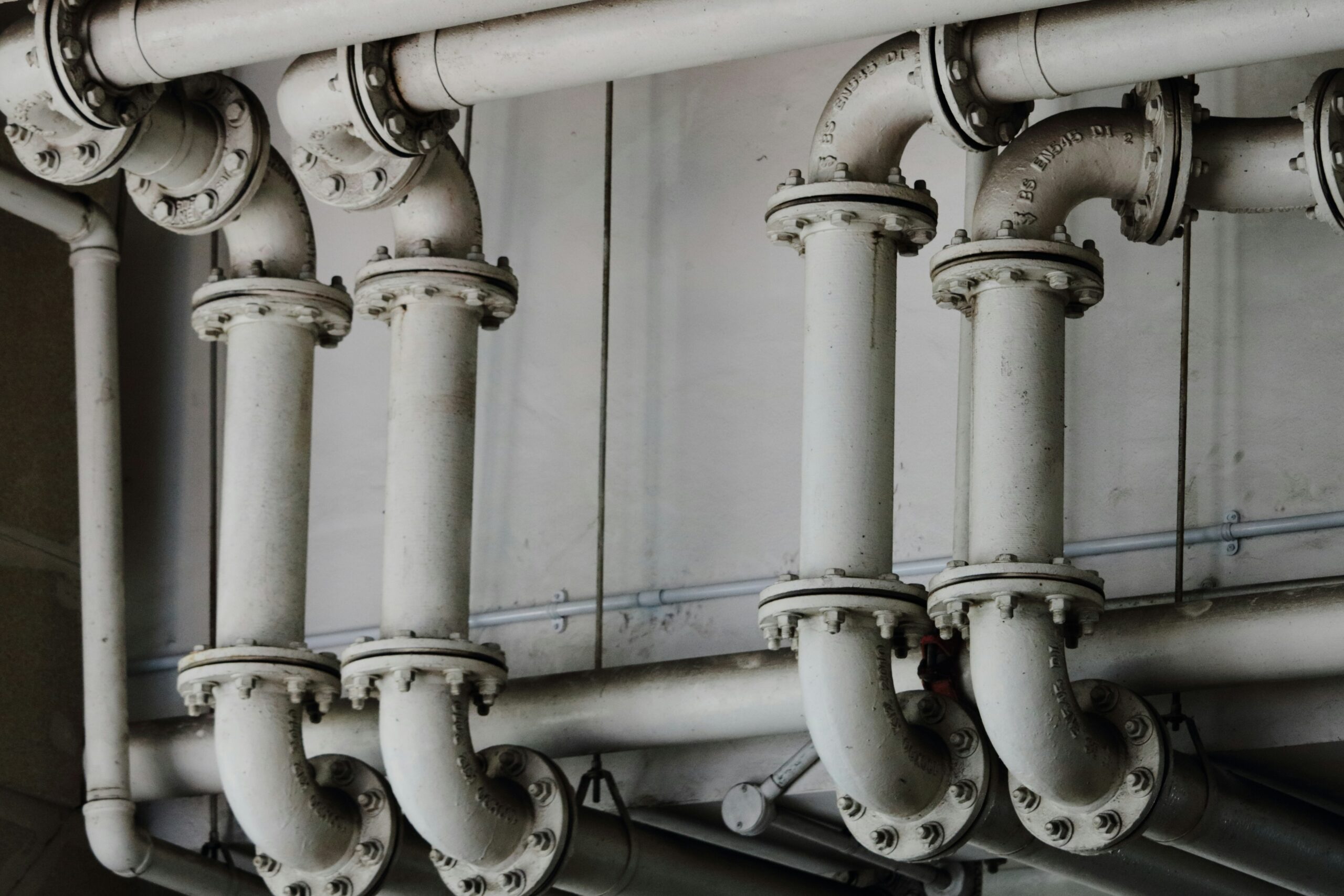
For hammer heard upstairs, record the perceived room and original fixture event. Sound can transmit through risers and framing; a loud ceiling does not pinpoint a loose pipe or establish that the upstairs fixture produced it.
When to stop and get help
Stop using an affected fixture for active leakage, severe pipe movement, steam or very hot discharge, and obtain appropriate prompt help. Do not wait for another bang to demonstrate it. Keep away from wet electrical equipment; use a safely accessible dry normal control only when safe, otherwise get qualified help. For suspected fuel gas or a carbon monoxide alarm, leave immediately and call the appropriate emergency service from safety; do not operate switches, phones, valves or appliances in the affected area.
Use location as evidence without a staged search
- Safe record: Keep the original impact, delay and any already visible leak or movement. Do not have someone repeatedly operate fixtures while another person presses an ear against a ceiling, grips pipes or enters an unsafe attic. An instrument or tracer has limits and does not guarantee an exact concealed location.
- Toilet distinction: A toilet flapper controls release of tank water through the flush valve, not supply fill-valve closure. Pressing it does not provide a controlled way to slow the incoming-water shutoff. Do not manipulate the float, add weights or partially close a stop as a universal hammer test.
- Support and access: Appropriate routine accessible support care may be possible once the actual material, temperature, movement allowance and structure are known. Do not drill, foam or clamp blindly, force a line against framing or treat a detector indication as clearance to open an unknown electrical area.
Should I open the ceiling where the noise sounds loudest?
Plan any opening from actual inspection evidence and the condition being addressed. A hidden leak may justify access, but sound alone does not identify the defect. Ask what pressure, valve and support findings will be obtained before selecting a repair.
Choose a correction from the actual findings
A pressure regulator, thermal-expansion provision, water-hammer arrester and pipe support have different purposes. Identify the component and actual operating conditions before buying a remedy. A capped pipe stub is not proof of a manufactured arrester; check its markings and applicable instructions. Do not recharge an unknown device or loosen a pressurized fitting. Internal work requires controlled water, retained pressure, temperature and energy, with appropriate model-specific commissioning afterward.
Related guides
- Pipes bang when multiple fixtures shut off
- Banging behind shower wall
- Pipes Banging After Fixtures Turn Off
Sources and equipment limits
- BrassCraft: identify and operate the actual supply stop
- Sioux Chief 660 example: piston arrester, connections and installation limits
- Korky 5010MP example: separate fill valve, flush valve and flapper
Manufacturer documents are examples; identify your actual equipment before selecting settings, parts or service steps. These articles have not received independent professional review or field testing.