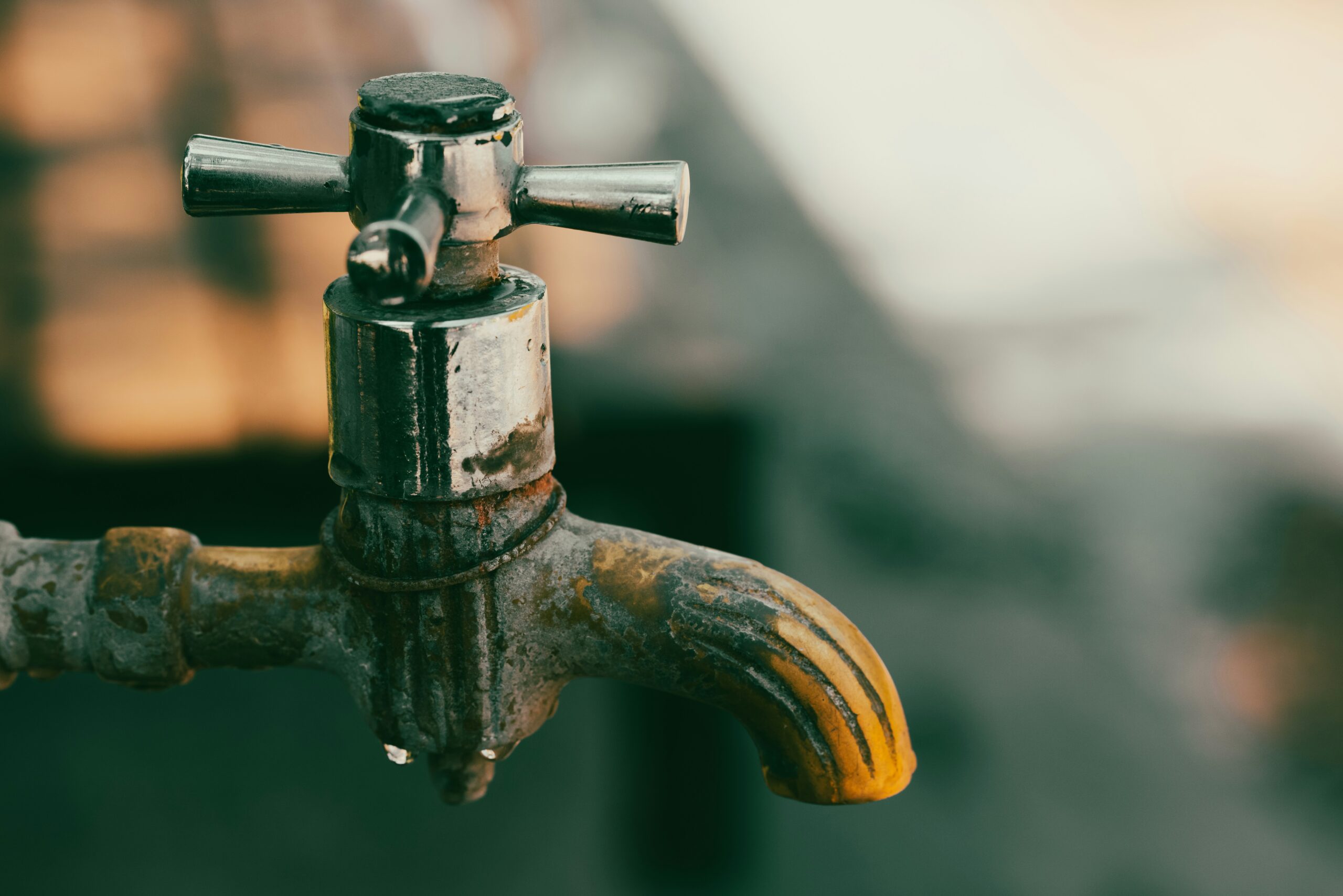
A bang when a hose nozzle or spigot is closed needs the actual closing point distinguished. Record which control was used and the first sound without snapping it shut again or removing the nozzle to stage a high-flow trial.
When to stop and get help
Stop using an affected fixture for active leakage, severe pipe movement, steam or very hot discharge, and obtain appropriate prompt help. Do not wait for another bang to demonstrate it. Keep away from wet electrical equipment; use a safely accessible dry normal control only when safe, otherwise get qualified help. For suspected fuel gas or a carbon monoxide alarm, leave immediately and call the appropriate emergency service from safety; do not operate switches, phones, valves or appliances in the affected area.
Distinguish nozzle closure from spigot service
- Original event: Describe whether the nozzle, timer, sprinkler attachment or wall spigot actually stopped flow. Those events change different boundaries. A quieter slow closure may be a useful prior observation but does not rule out damage or prove a failed part.
- Visible conditions: From safe ground, note leakage, loose mounting or hose strain without putting an ear against the wall or feeling a jolting line. Do not force the handle, overtighten packing or change a partly open position as a generic pressure cure.
- Frost-free and attached devices: A frost-free spigot and any vacuum breaker have specific drainage and service requirements. Keep backflow protection intact; do not select an arrester from appearance alone. Actual pipe support, pressure, valve condition and device compatibility guide the remedy, and hidden damage may require planned access.
Does normal flow or a quieter bang prove the spigot is not broken?
No. Flow, leakage and pressure need separate assessment. For frost, bulging, a leak or reduced delivery after freezing, stop the noise trials and use the appropriate freeze and leak response. Do not use a flame or aggressive heat on a suspected frozen line.
Choose a correction from the actual findings
A pressure regulator, thermal-expansion provision, water-hammer arrester and pipe support have different purposes. Identify the component and actual operating conditions before buying a remedy. A capped pipe stub is not proof of a manufactured arrester; check its markings and applicable instructions. Do not recharge an unknown device or loosen a pressurized fitting. Internal work requires controlled water, retained pressure, temperature and energy, with appropriate model-specific commissioning afterward.
Related guides
- Hammering noise after irrigation shuts off
- Pipes bang when sprinkler valve closes
- Pipes Banging After Fixtures Turn Off
Sources and equipment limits
- BrassCraft: identify and operate the actual supply stop
- Sioux Chief 660 example: piston arrester, connections and installation limits
- DC Water: known frozen-pipe access, gentle thawing and no flames
Manufacturer documents are examples; identify your actual equipment before selecting settings, parts or service steps. These articles have not received independent professional review or field testing.