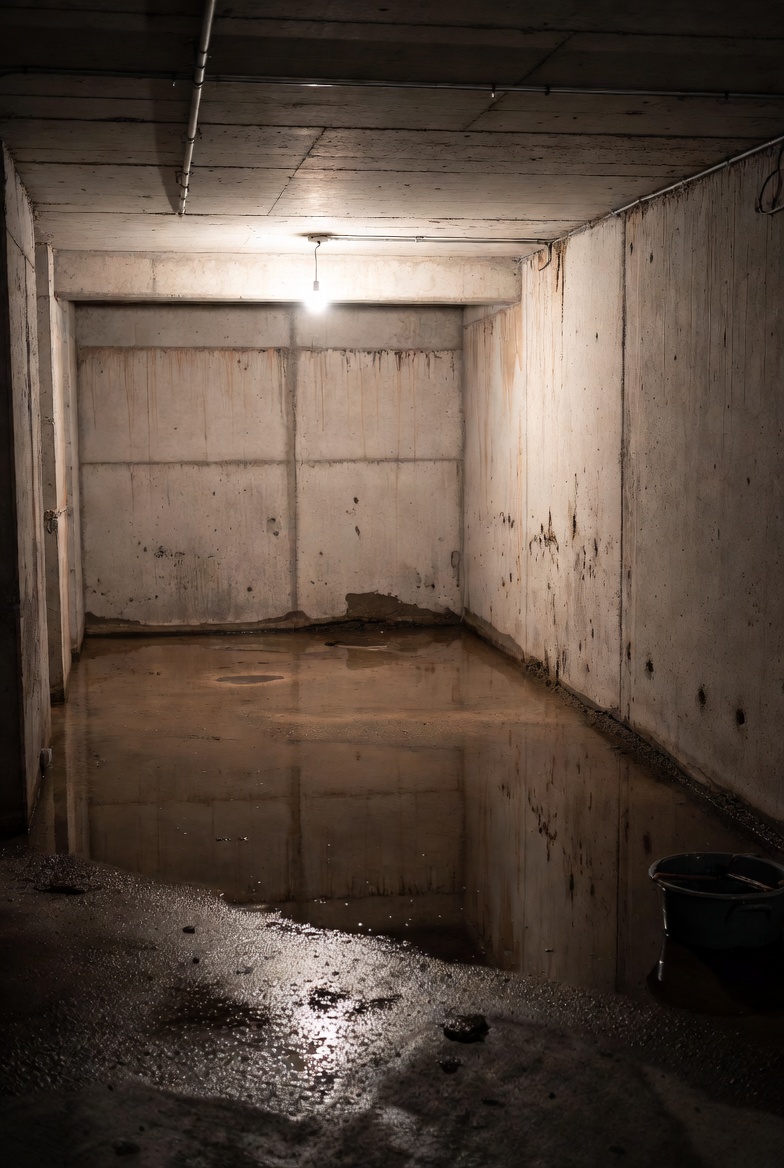
When a floor drain overflows while an appliance is running, the cause can be an appliance issue, a blocked or undersized drain, or a change you recently made to the plumbing or water supply. Use the group headings below to quickly find the most likely cause and follow the linked article for targeted troubleshooting steps. For broader floor drain and main-line topics, see Floor Drains, Basement & Main Lines.
Appliance drains and pumps
This section covers problems caused directly by a single appliance discharging to the floor drain or a pump pushing water into the same drain. Start here if the overflow lines up with a single appliance cycle.
- Floor drain overflows when washer drains
Overflow during the washer spin or drain cycle often means a partial clog or undersized drain line where washer discharge meets other flows; the article guides quick checks and fixes. - Overflow when dishwasher runs
Dishwasher discharge can back up into a nearby floor drain if the branch that handles kitchen waste is restricted; the piece explains how to isolate and clear that path. - Overflow when water heater drains
Draining a water heater releases a sudden surge of water that can overwhelm a slow floor drain, and this article covers safe draining techniques and temporary bypass options. - Overflow when sump pump discharges
Sump pump discharge can enter a shared drain system or overload a downstream sewer connection; the guide shows how to redirect or increase discharge capacity.
Multiple appliances and simultaneous use
When more than one appliance runs at the same time the combined flow may be higher than the drain can handle. This section helps you test flow timing and reduce peak loads.
- Overflow when multiple appliances run
If overflows only occur when two or more devices run, the article explains how to stagger cycles or assess whether piping capacity is insufficient. - Overflow when appliances run together
Similar cases can result from simultaneous discharges in different parts of the house; this piece walks through simple timing tests and short-term mitigation steps.
After repairs, changes, or system events
Recent work or events—like repairs, installs, or shutoffs—often introduce new debris, airlocks, or pressure changes that cause overflows. Check these articles when an overflow started after a change.
- Overflow after plumbing repair
Repairs can leave solder slag, pipe dope, or debris that later clogs drains; this article shows how to flush and inspect lines after work is done. - Overflow after remodel
Remodeling can displace dust and construction debris into drains or change venting; the guide covers common remodel-related causes and cleanup steps. - Overflow after water heater install
New installations may alter flow patterns or leave sediment in the line; this post lists checks to confirm proper connections and prevent overflow during the first drains. - Overflow after filter install
Installing a whole-house filter can change pressure or capture more debris; the article explains how filters affect downstream drains and what to watch for. - Overflow after turning water back on
After a shutoff, trapped debris and air can wash into floor drains; this piece guides a controlled turn-on and initial flushing to avoid surges that overflow. - Overflow after city outage
City water outages and restorations can loosen sediment and change pressure briefly, leading to overflows; the article explains safe restart procedures. - Overflow after winterization
Winterizing or reactivating plumbing can dislodge rust or debris and expose weak spots; this write-up covers thawing, flushing, and inspection tips. - Overflow after pressure change
A shift in supply pressure can push water into shared drains or reveal marginal connections; the article shows how to diagnose pressure-related overflows. - Overflow after vacation
Long idle periods let traps dry and sediment settle; the guide describes checks to run on return—especially if appliances run and a drain overflows. - Overflow after smart shutoff trip
Automatic valves can stop and restart flows in ways that move trapped material; this post explains how to reset systems and clear any resulting blockages.
Timing and intermittent patterns
Some overflows only happen at certain times or intermittently, which points to specific causes like night-time system changes or partial clogs. Use these articles to track patterns and test causes.
- Overflow only at night
Night-only overflows often link to delayed appliance cycles, changes in municipal pressure, or automatic systems running after hours; the article suggests observation checks and solutions. - Overflow intermittently during cycles
Intermittent overflows during appliance cycles usually point to partial blockages or air pockets; this guide helps you reproduce the issue and clear the obstruction.
All Articles in This Cluster
- Floor drain overflows when washer drains
- Overflow when dishwasher runs
- Overflow when water heater drains
- Overflow when sump pump discharges
- Overflow when multiple appliances run
- Overflow after plumbing repair
- Overflow after city outage
- Overflow after winterization
- Overflow after remodel
- Overflow after pressure change
- Overflow only at night
- Overflow when appliances run together
- Overflow after filter install
- Overflow after smart shutoff trip
- Overflow after turning water back on
- Overflow after vacation
- Overflow after water heater install
- Overflow intermittently during cycles