Quick Answer:
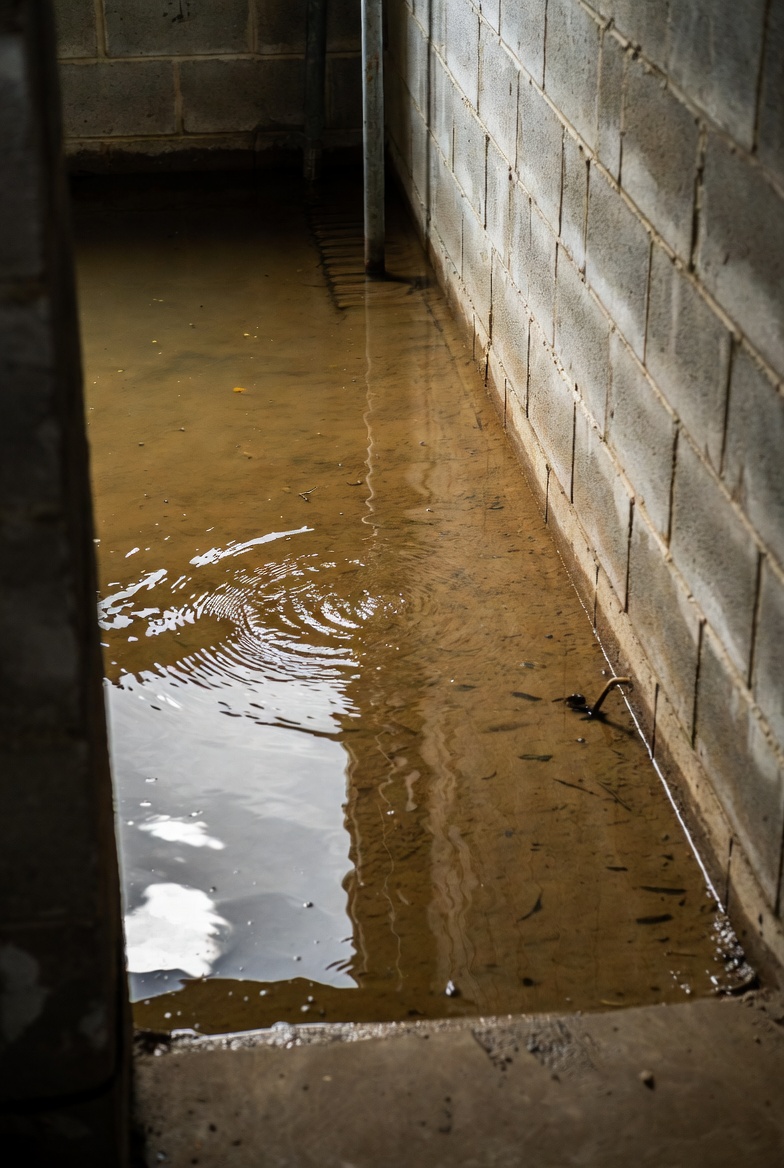
An intermittent floor drain overflow during appliance cycles usually means a partial blockage or a venting/flow issue. Keep a careful log of which appliance and which stage of its cycle causes the overflow, test appliances one at a time and in slow-fill or drain-only modes to isolate the problem, open the cleanout to check for a partial blockage or grease ring, and consider a short CCTV sewer inspection if the problem remains intermittent.
Why This Happens
Intermittent overflows are often caused by a partial restriction in the drain or sewer line that only shows up when enough water arrives at once or during a specific cycle stage. Common causes include a grease ring, debris caught near a bend, tree root intrusion further down the line, or a blocked vent that prevents the system from draining smoothly. Because the restriction is partial, the overflow may only occur at certain times — for example, overflow only at night if the sewer experiences different loads, or when several appliances discharge together and exceed the line’s temporary capacity, such as when appliances run together.
Step-by-Step What to Do
1. Keep a detailed log
- Record date and time of each overflow event.
- Note the appliance (washing machine, dishwasher, water softener, etc.).
- Write down the cycle stage — for example: fill, wash, drain, spin, or rinse.
- Record severity (small spill vs. large backup), any odor, and whether other fixtures were affected.
2. Test appliances one at a time
- Run each appliance alone to see if it triggers overflow. Use a short or rinse-only program if available.
- Try slow-fill or drain-only cycles where the appliance adds water more slowly; this helps find whether the overflow is triggered during fill or during the drain stage.
- If an appliance runs normally alone but causes overflow when another runs, you’ve isolated a capacity/flow issue.
3. Open the cleanout and inspect
- Locate the nearest building cleanout (often outside or in the basement). Carefully remove the plug and use a flashlight to look inside.
- Inspect for a partial blockage or grease ring that can trap water during heavy flow.
- Wear gloves and eye protection. If you see heavy buildup, standing sewage, or solids, stop and call a professional rather than probing further.
4. Run controlled flow tests
- After inspecting the cleanout, run a controlled amount of water into the drain to check how quickly it clears.
- Do this one appliance at a time based on the log; watch the cleanout for surges or backpressure.
5. Consider a short CCTV sewer inspection
- If the overflow is intermittent and you can’t find the cause, a short CCTV inspection can reveal hidden partial blockages, root intrusion, or cracks that only affect flow under certain conditions.
- Schedule this with a drain contractor; it’s faster and more precise than repeated snake attempts when the problem is intermittent.
What Not to Do
- Do not ignore intermittent backups or assume they’ll stop on their own.
- Do not repeatedly run appliance cycles to “clear” a partial clog — this can spread the problem and cause larger backups.
- Do not overfeed enzyme or additive treatments without first verifying the actual flow path and location of the blockage.
- Do not delay calling a professional if intermittent backups increase in frequency, produce a sewage odor, or begin affecting multiple fixtures.
When to Call a Professional
- If overflows become more frequent or heavier.
- If you detect sewage odor, solids, or dark water in drains.
- If multiple fixtures back up at once (toilet plus floor drain, etc.).
- If the cleanout shows a blockage you can’t safely remove, or if you want a CCTV inspection or a proper root/line repair.
Safety Notes
- Wear gloves, eye protection, and avoid skin contact with sewage. Sewage can carry bacteria and pathogens.
- Do not put your hand into a cleanout or drain opening. Use tools and a flashlight for inspection.
- If standing water reaches electrical outlets or appliances, shut off power to that area before working near it and keep clear of the water.
- If you smell strong sewer gas or feel ill while inspecting, stop and call a professional immediately.
Common Homeowner Questions
- Q: Can I fix an intermittent clog myself?
A: You can do basic logging and simple tests, and inspect the cleanout, but avoid aggressive or unsafe tools; call a pro if you see sewage or can’t locate the restriction. - Q: Will snaking the drain solve an intermittent overflow?
A: A snake can remove some blockages, but intermittent problems often need a CCTV inspection to find partial obstructions or structural issues. - Q: Are enzyme treatments helpful for this problem?
A: They can help organic buildup but shouldn’t replace inspection; do not overuse them before confirming where the flow is restricted.
More in this topic
For more related fixes and similar symptoms, see Floor Drain Overflows During Appliance Use.