Quick Answer:
- Open your main supply slowly, then open fixtures one at a time to purge air and sediment.
- Check nearby trap primers and cleanouts for dislodged grit and clear exterior hose bibs before running appliances.
- Test appliances individually after flushing lines. If overflow or sediment keeps coming, call a professional.
Why This Happens
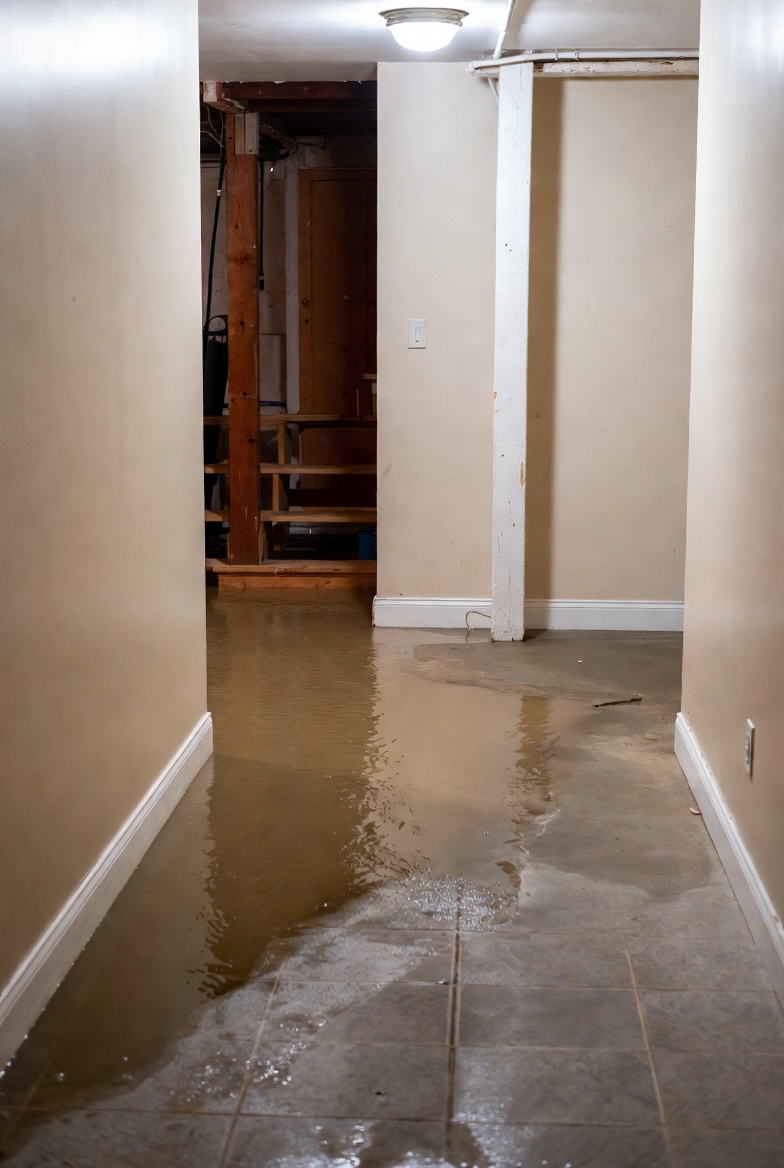
When water is shut off for a while — from a city outage, repairs, or winterization — mineral scale and loose debris can settle in pipes. Turning the supply back on forces that material through traps, cleanouts and floor drains. Air pockets can also push water irregularly and make drains surge briefly. In basements and utility areas the floor drain and trap primers are the first places to show problems because they collect returning water and any particles.
If you recently had an outage or winter work done, see the related notes about overflow after city outage and overflow after winterization for longer shutdown scenarios and special precautions.
Step-by-Step What to Do
1. Open the main supply slowly and open fixtures to purge air and sediment
- Turn the main valve only a quarter turn, pause 30–60 seconds, then continue slowly until fully open. This reduces pressure surge and stops large chunks from blasting through at once.
- Open a few fixtures before the main is fully open: start with a low fixture (basement floor drain or outdoor spigot) and a high one (upstairs sink). Let them run until the flow is steady and air stops sputtering.
2. Inspect nearby trap primers and cleanouts for sediment
- Locate floor drain trap primers and any nearby cleanout plugs. Remove cleanout caps slowly — some water and debris may come out.
- Clear visible grit with gloves and a small scoop or wet/dry vacuum. Don’t push debris farther down the pipe.
3. Flush exterior hose bibs before running interior appliances
- Open each exterior bib fully and let it run until the water runs clear. This clears sediment that would otherwise enter laundry machines, water heaters and dishwashers.
- If an exterior spigot flows dirty or contains grit for a long time, continue flushing and inspect the line or screen for blockage.
4. Test appliances and fixtures individually after flushing
- Run one appliance at a time (washing machine, dishwasher, water heater) after exterior and main lines are flushed. Check the floor drain while each appliance fills and drains.
- If overflow returns only with a specific appliance, isolate that appliance’s supply and drain for further inspection.
What Not to Do
- Do not open the main at full force. Doing so can blast loose debris into traps and cause sudden overflows or pressure shocks.
- Do not use chemical drain cleaners to clear sediment after a shutdown. They won’t remove grit and can be dangerous around standing water or vulnerable seals.
- Do not restart all appliances at once before flushing lines. That can overload drains and hide the source of the problem.
- Do not wait to get help if sediment flow or backups persist or if multiple fixtures are affected — call a professional promptly.
When to Call a Professional
- Overflow continues after you’ve flushed lines and checked cleanouts and primers.
- Multiple fixtures back up at the same time, suggesting a main drain or sewer problem.
- You see sewage (not just sediment) in drains or the floor drain repeatedly.
- Valves, cleanouts, or trap primers are leaking or damaged during inspection.
Safety Notes
- If water is rising from a drain and you can’t stop it, shut off the main fully and call for help to avoid water damage and contamination.
- Wear gloves and eye protection when opening cleanouts or handling dislodged material. Treat any backup as potentially contaminated.
- Avoid working in standing water around electrical outlets or appliances. If in doubt, cut power to affected areas first.
Common Homeowner Questions
- Why did my floor drain overflow after I turned the water back on?
Loose sediment and air pushed through pipes can flood traps and floor drains when pressure resumes. - Can I clear the sediment with a plunger or snake?
Try a plunger for simple blockages; a snake may help local clogs, but sediment in multiple places needs flushing and inspection. - How long will it take for sediment to clear?
Usually a few minutes to an hour of flushing; if it continues longer or returns, the lines need professional attention.
More in this topic
For more related fixes and similar symptoms, see Floor Drain Overflows During Appliance Use.