Quick Answer:
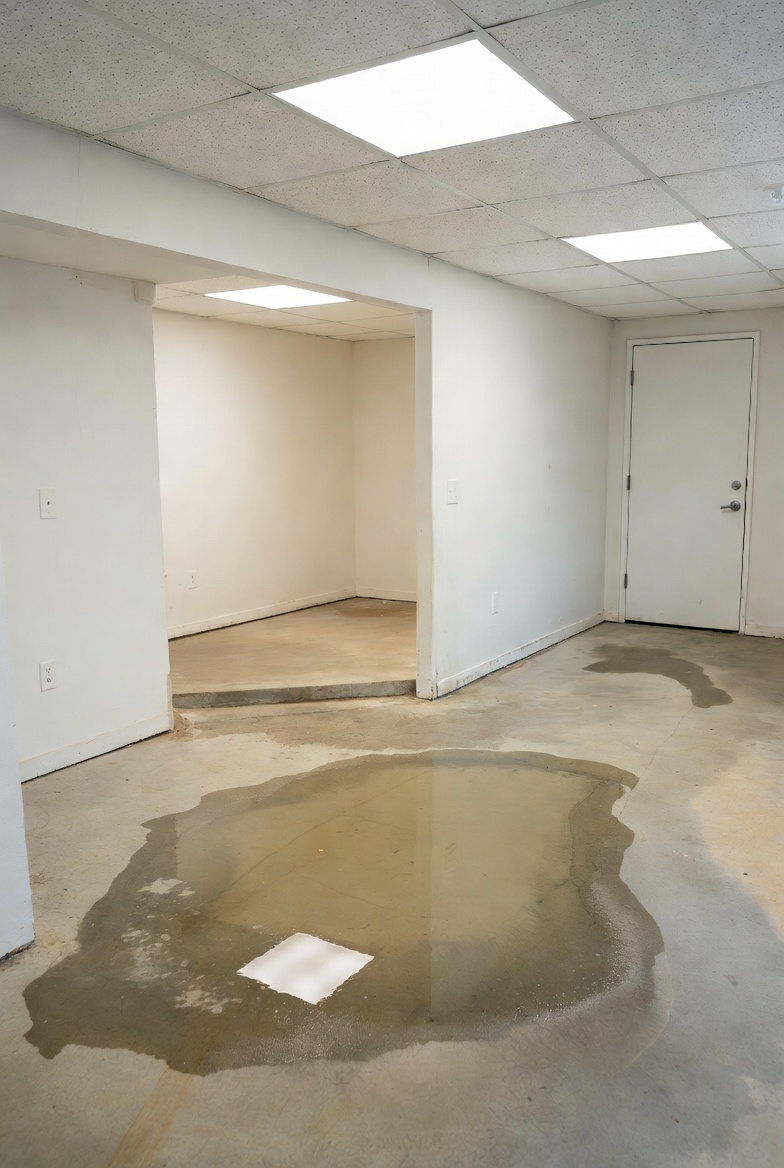
If water shows up in the basement only on warm summer nights while the air conditioner runs, the most likely causes are a blocked or leaking HVAC condensate line or outdoor water running toward the foundation from irrigation or storms. Start by checking the condensate pan and discharge, then confirm exterior drainage and watering patterns before calling a pro.
Why This Happens
In summer the air conditioner produces a steady stream of condensate (water). If that water cannot leave the unit properly it can overflow into the home. At the same time summer storms and nighttime sprinkler schedules can send extra water toward the foundation. Blocked condensate drains, a cracked pan, clogged gutters, or sprinklers aimed at the house are common drivers.
Because the problem shows up mainly in hot months, think about two groups of causes: the HVAC condensate route and outdoor water flow. If you’re seeing water during heavy watering times or when many neighbors run irrigation, this is similar to flooding during peak water use. If the water arrives after storms, compare notes with patterns you’ve seen with flooding after heavy rain.
Step-by-Step What to Do
1. Inspect the condensate pan and drain line
- Turn off the HVAC system at the thermostat before leaning over the unit.
- Look in the condensate pan under the evaporator coil for standing water, rust, or holes.
- Follow the condensate drain line to its exit point. If you see green slime, standing water, or dripping inside the house, the line is likely blocked or leaking.
2. Verify the condensate discharge location outside
- Find where the condensate leaves the house. Confirm it discharges onto gravel or downspout area, not against the foundation.
- If the line ends near the foundation, reposition it or extend it away from the house so water runs away from the foundation.
3. Temporarily run the AC and watch the condensate path
- Turn the AC on and watch the condensate pan and outlet. Note where water flows when the compressor cycles (you may see more flow a few minutes after it starts).
- If you see overflow or leaks while the unit runs, that confirms an HVAC condensate issue.
4. Check window wells, eaves, gutters and roof edges for storm ingress
- Look for water entering through window wells or under eaves during or after a storm. Clear debris from gutters and confirm downspouts lead water away from the foundation.
- Fill a window well with a garden hose briefly to test the well’s drain if you suspect it floods easily.
5. Inspect your irrigation schedule and nozzle direction
- Check controller times—nighttime watering can saturate soil next to the foundation because the ground does not evaporate water as fast at night.
- Adjust zones so no sprinkler head shoots at the house. Shorten run times if irrigation overlaps with natural runoff during storms.
6. Basic clearing steps you can try
- Use a wet/dry vacuum on the exterior condensate outlet to clear a clog (turn HVAC off first).
- Clear gutters and extend downspouts several feet from the foundation.
- If the condensate pan is corroded or cracked, plan for repair or replacement—this is best done by a technician if you’re unsure.
What Not to Do
- Don’t direct sprinkler heads toward the foundation. Avoid watering in ways that push water against the house.
- Don’t ignore condensate run patterns or assume the water is harmless—small leaks can become mold or structural problems.
- Don’t delay — call a pro if you see repeat flooding after storms, notice mold growth, or can’t find the condensate leak source.
When to Call a Professional
Call a licensed HVAC or drainage professional if:
- Water keeps returning after you’ve cleared drains and adjusted irrigation.
- You find mold, a musty smell, or visible damage to drywall or framing.
- The condensate pan is damaged, the leak source is hidden, or you suspect foundation or sewer problems.
Safety Notes
- Turn off power to the HVAC system before opening or working near internal components.
- Avoid standing water where electrical outlets, wires, or appliances are present. If the basement is flooded beyond a few inches, contact an electrician before re-entering.
- Wear gloves and a mask when cleaning up mold or dirty water. If mold covers a large area, hire a remediation contractor.
Common Homeowner Questions
- Why is this only happening in summer?
Because the AC produces condensate only when it runs and irrigation and summer storms add extra outdoor water. - How can I tell if it’s the condensate line or outside drainage?
Run the AC and watch the condensate pan and outlet; if water overflows from the pan or you see leaking inside, it’s likely the HVAC. If water pools outside near the foundation after sprinklers or rain, it’s drainage. - Can I clear a clogged condensate line myself?
Often yes—a wet/dry vacuum at the outside outlet or gentle flushing can work. If you’re unsure or the pan is damaged, call a technician.
More in this topic
For more related fixes and similar symptoms, see Intermittent Basement Flooding Events.