Black specks already observed during hot-water use deserve attention to the actual hot-water route. One hot glass and one clear cold glass do not prove the heater tank produced the material or that the cold supply is unaffected.
Choose a safe first response
For a new unexplained particle change, avoid consuming the affected water and use a known-safe supply for food, drinking and oral care while asking the supplier or local well-water authority for advice. Follow any current notice for other uses. Neither clearer water nor boiling clears an unidentified chemical concern. Familiar material already assessed by the provider can have different ordinary-use instructions.
Keep the original evidence
- Original affected outlet, mixing setting, existing cold observations and recent hose, heater or treatment work.
- Actual heater type, flexible connectors and fixture models, without another hot-water collection test.
Separate the connector, fixture and heater
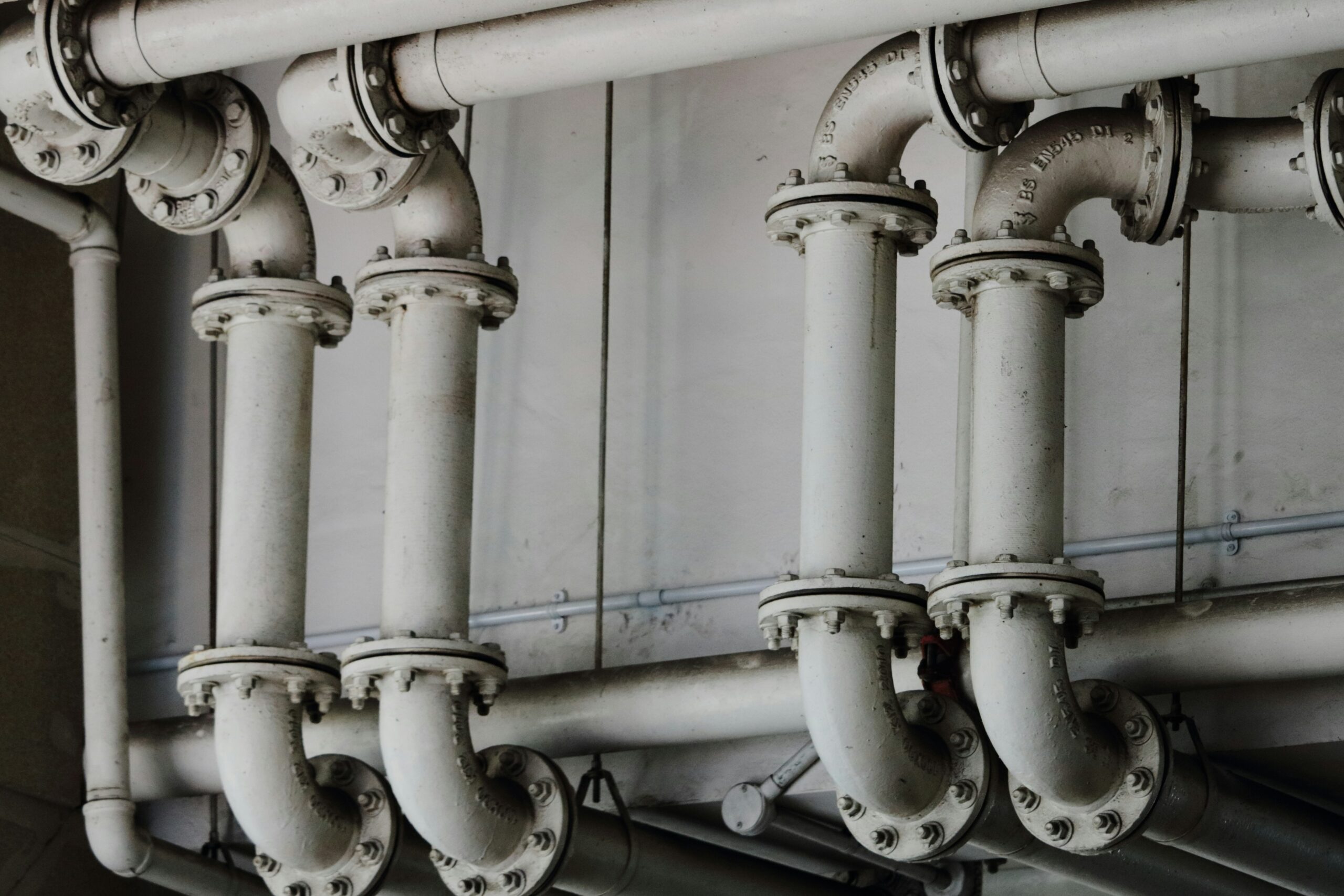
A hot-side hose lining or local seal can shed material without a failed tank. An anode, dip tube, tank lining and connector are distinct parts; black appearance does not identify which is involved or establish their composition. Do not classify a dip tube as rubber without the actual part information.
A drain sample is a different location
Material at the heater drain can include accumulated tank-bottom deposits. It does not prove the same material originated there or that all hot outlets contain it. Do not drain a few gallons or rerun hot water after curb-stop work solely to decide the source. Appropriate component inspection and directed sampling can answer the real question.
Service follows evidence
Use a qualified heater technician for suspected internal damage or an uncertain discharge/service arrangement. Heater flushing may be legitimate maintenance under the specific manual; it is not an automatic cure for black specks or a sanitary clearance. Small quantity, cold clarity and a later clear hot stream do not establish health risk.
After sampling decisions, clean only the identified owner-removable aerator or screen with flow off, parts cool and the maker’s permitted tools, cleaner and reassembly. Do not force a retained insert or assume pliers, vinegar or screen removal fit every design. Internal valve, hose and housing work needs actual isolation and pressure release at the worked segment before it is opened.
When to get further help
Report persistent or recurring particles, active leakage, damaged controls or an unexplained change affecting several outlets promptly. A plumber or equipment technician can assess the actual component; the supplier, health authority or appropriate laboratory addresses the water-quality question. Do not wait through repeated cleaning cycles to obtain that help.