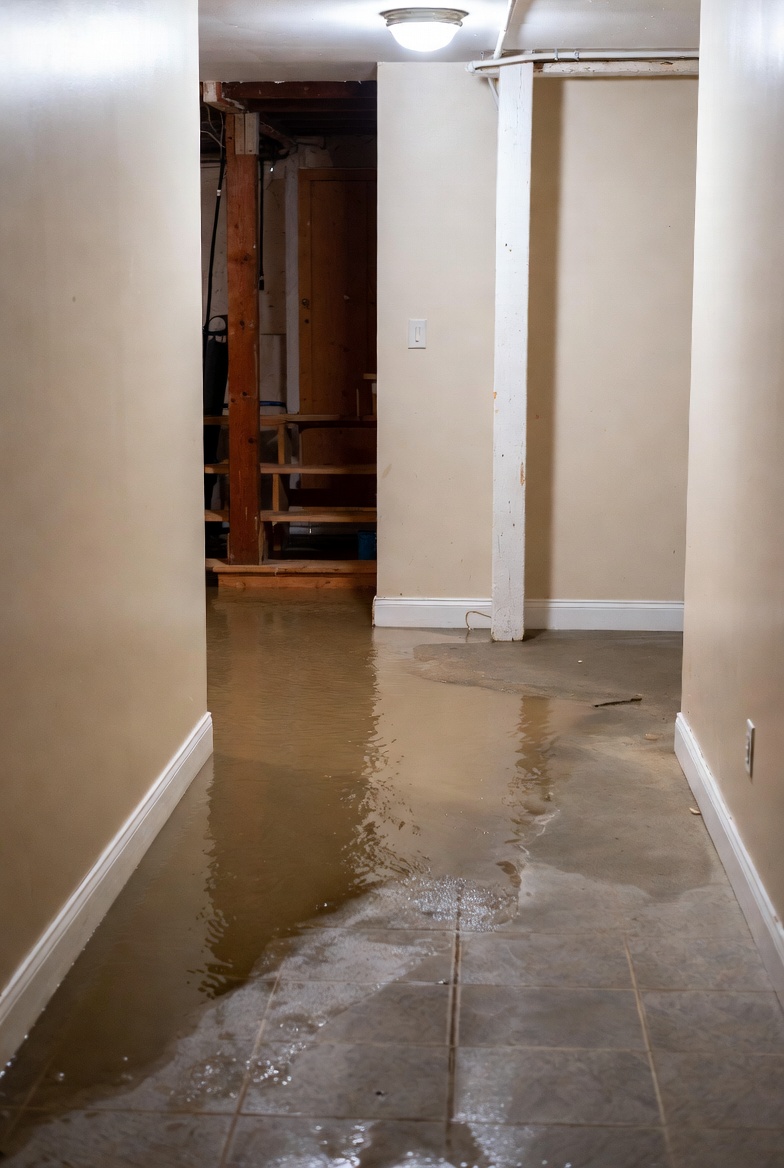
Quick Answer:
If wastewater comes back up while you’re still using the toilet after snaking, stop using the fixture, shut off the water to that toilet, and open the main cleanout to relieve pressure. Check whether other drains are affected and inspect the snake for any broken sections. If the problem returns or you find damaged cable, schedule a camera inspection—recurring backups often mean the blockage or pipe damage is deeper than the snake reached.
Why This Happens
- Partial blockage: A clog may have been loosened but not fully removed. The snake can push material into a section that refills or shifts back.
- Deeper obstruction or collapse: The obstruction may sit beyond the length or reach of your snake, or the pipe could be partially collapsed.
- Tree roots or recurring growth: Roots can re-enter joints and push debris back into the line—this is common with older lines and why Roots reappear after cleaning.
- Tool damage or lost pieces: A broken snake can leave fragments that interfere with flow or make subsequent snaking worse.
- Issues after main-line work: If the main line was recently cleaned, you can still see a repeat problem. That situation explains some cases labeled as Backup after main line snaking.
Step-by-Step What to Do
1. Turn off water to the affected fixture and open the main cleanout
- Shut off the toilet’s supply valve (usually near the wall behind the toilet) to stop the tank refilling and limit more sewage backing into the bowl.
- Locate the main cleanout (often a capped pipe in the yard, basement, or garage). Open it carefully to relieve pressure and let the line drain slowly. Wear gloves and have a bucket or towels ready for spills.
2. Check whether it’s one fixture or the whole house
- Run water in other fixtures: flush another toilet, run a sink, or fill and drain a tub. If only one fixture backs up, the clog is likely local to that branch. If multiple fixtures back up, suspect a mainline issue.
3. Inspect the snake cable for breaks or missing sections
- Fully retract the snake and look along the cable for kinks, frays, or broken segments. If a section is missing or the cable is visibly damaged, stop using it—pieces can be left behind in the pipe and make the problem worse.
- If you suspect a piece is in the line, leave the cleanout open and call a professional rather than trying more aggressive snaking yourself.
4. Schedule a camera inspection
- A camera run through the pipe will show the exact location of the recurring blockage and reveal pipe damage, root intrusion, joint separations, or partial collapse.
- With camera results you’ll know whether a focused repair, pipe lining, or full replacement is needed rather than repeated snaking attempts.
What Not to Do
- Avoid repeating aggressive snaking over the same spot — that can enlarge cracks or shear old joints.
- Do not use strong drain chemicals after mechanical snaking; they can react and cause hazards or damage tools.
- Call a pro when backups return repeatedly, you detect broken snake parts, or multiple drains are affected; recurring issues often need scope inspection or pipe repair rather than more snaking.
When to Call a Professional
- If multiple fixtures back up at once, call a plumber—this suggests a mainline problem.
- If you find broken snake cable or suspect you left a piece inside the line, call a pro immediately.
- If you see sewage backing into living spaces, persistent foul smells, or slow drainage that returns after cleaning, schedule a camera inspection and professional assessment.
Safety Notes
- Wear gloves, eye protection, and waterproof boots when working around sewage. Sewage carries bacteria and pathogens.
- Avoid standing in wastewater and keep pets and children away from the area until it’s cleaned and disinfected.
- If you open the main cleanout, be prepared for a mess. Have towels, a bucket, and disinfectant ready, and close the cleanout when the flow has stopped and a pro advises it’s safe.
- Do not mix mechanical snaking with chemical drain cleaners—some chemicals can cause burns or damage equipment and pipes.
Common Homeowner Questions
- Why did the backup come back after I snaked it? Often the snake didn’t reach the full blockage or the pipe has damage (roots, collapse) that lets material re-collect.
- Can I keep snaking until it clears? Repeated aggressive snaking can worsen cracks or separate joints. Stop and get a camera inspection if it returns.
- How long until a camera inspection is scheduled? Many plumbers can schedule a camera run within a day or two; if sewage is entering the home, request emergency service immediately.
More in this topic
For more related fixes and similar symptoms, see Post-Snaking Main Line Problems.