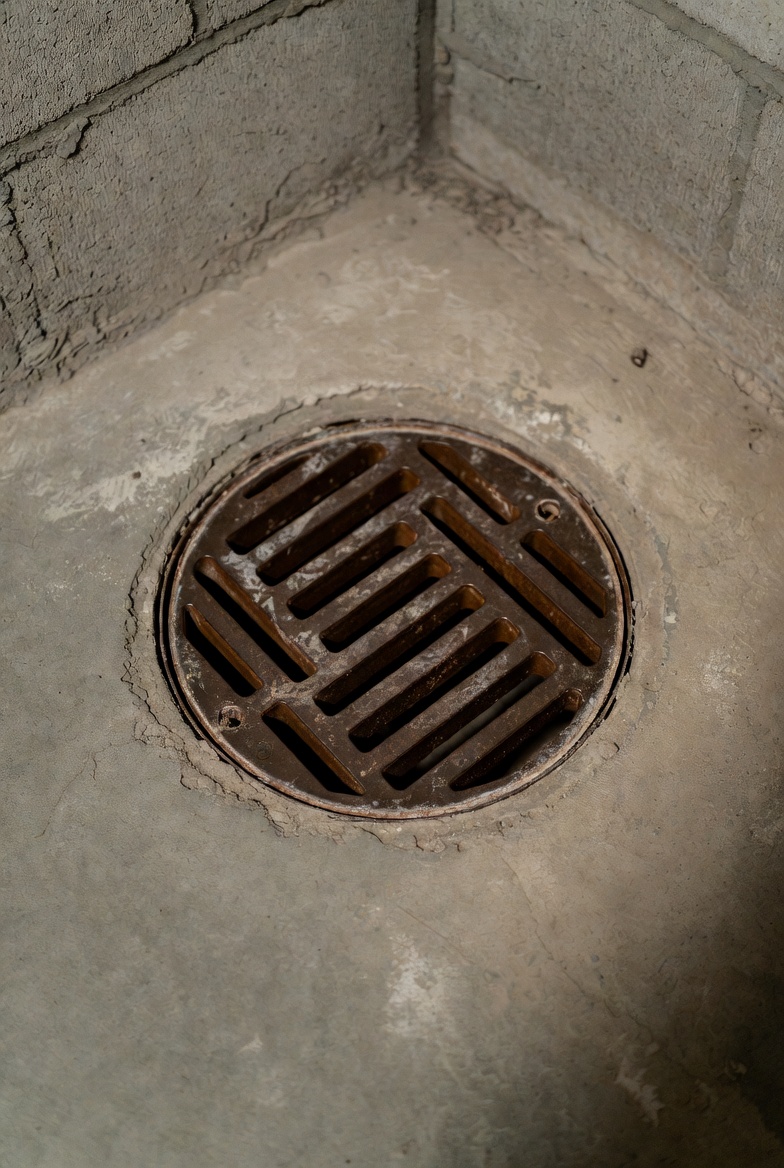
A new wet spot after sewer cleaning needs prompt reporting and the actual source identified. Stop contributing discharge during leakage or return. Do not flush fixtures one at a time to enlarge the wet spot, feel coupling bands or expose a lightly buried fitting as a household tracing test.
Protect people and stop contributing discharge
For suspected fuel gas, or strong, widespread or unexplained gas-like fumes, exposure symptoms or suspected concentrated sewer gas, leave the affected building and call emergency help from safety. Do not operate switches, plugs, valves or phones there, or stay to sniff or ventilate. Follow responder clearance.
Stay out of water near electrical equipment. Do not touch wet appliances, plugs or controls; isolate electricity only from safe dry access when no gas emergency is suspected, or get utility/electrician help. During wastewater return, stop connected taps, toilets and appliance discharges using safely accessible controls. Keep people and pets away from sewage. Closing a supply valve cannot stop every shared sewer or groundwater inflow.
Distinguish the visible wet area from the actual leaking component
- Safe record: Photograph the original location and assembled work from stable dry access. Water and streaks can track away from their source; a gloved hand or dark streak does not identify the leaking joint or establish contamination.
- Access and repair: Removing an outer access cover is different from releasing a sealed cap, but the actual head and component still need assessment. Rated cap, gasket, coupling and torque requirements differ. Do not blindly tighten bands, dig before locating or treat tape as permanent repair.
- Testing: A suitable pressure or leak test requires the actual system, medium, limits and qualified procedure. A fixture correlation or post-work wet patch alone does not show whether damage was new, preexisting or caused by the crew.
Must I demonstrate which fixture makes it leak before calling?
No. Existing leakage, uncertainty, wastewater or damaged parts is enough to request assessment. Keep the original record and arrange safe mitigation; do not add water to obtain evidence. Actual findings, work terms and applicable arrangements determine responsibility.
Ask what the service and inspection actually established
Keep the work date, method, access used, tool model and any actual missing-part report, original symptoms, product history and available before-and-after records. Report new or worsening symptoms promptly without another flush, appliance load or cap-opening test. Timing can justify investigation without proving that cleaning caused damage or merely revealed an old defect.
Keep unknown cleanout caps and sealed basins closed. A slow turn, gloves, distance, a bucket or a plan to reclose after sewage emerges does not establish controlled release. Do not enter pits, tanks, manholes or excavations. Complete applicable locates, including relevant private services, and ground/footing assessment before any digging or probing. Do not touch unknown wet joints to trace a leak.
Identify every cleaner or root-control product already used. Do not mix products, improvise neutralization or use a guessed wait or rinse as clearance for opening or tools. A machine’s actual pipe, cable, cutter, glove and worksite limits matter; GFCI protection and gentle operation do not authorize working in water or flammable gas. Do not force, reverse or retrieve a damaged cable by a generic recipe.
Request the inspected extent, reference location, observed material and defects, obscured portions and available video. A camera may not pass a blockage or see through standing water, and does not certify every leak, gas seal, grade or ownership issue. Clearing, spot repair, lining and replacement need the actual condition, shape, grade, connections and site assessed. Complete suitable correction, source controls and secure assembly before an appropriate bounded check with an accepting receiver. Stop on leakage or renewed rise; arrange suitable safe cleanup and prompt drying.
Related guides
When to get prompt basement drainage help
Sources and limits
- Wisconsin DHS: sewer gas, exposure and leaving an unsafe area
- Con Edison: suspected fuel-gas leak response
- CDC: electrical hazards near water
- Madison Metropolitan Sewerage District: stop discharge and report backup
- Example drain-opener label: remaining-product restrictions
- Seattle Public Utilities: repair choices and sewer-camera limits
- EPA: prompt drying, electrical safety and flood cleanup limits
- Enbridge example: locating services before excavation
Examples do not identify your installed system, defect or local responsibility. Independent professional review and household field tests have not been obtained.