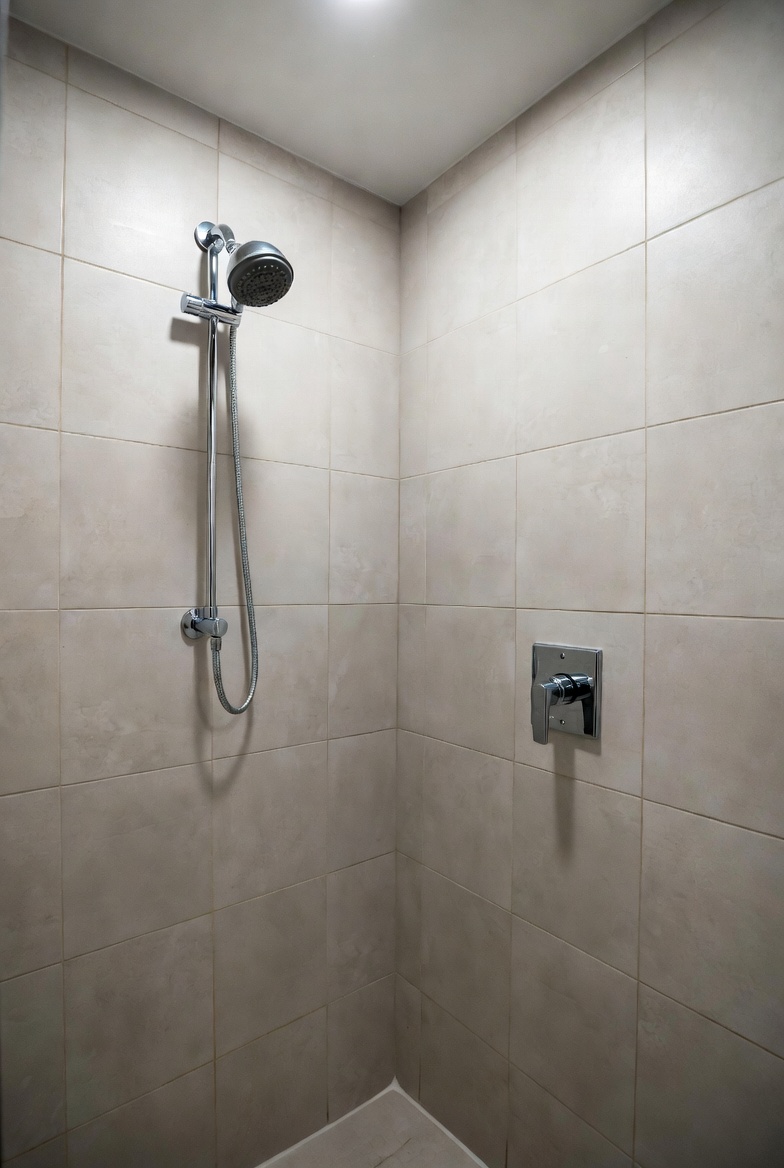
If a shower keeps dripping after you turn the water off, the cause can be anything from a worn valve seat to changes made during a repair or a shift in pressure. Use the short summaries below to pick the article that matches when the drip started and what makes it worse, so you can focus on the most likely fixes. For more plumbing topics in this area, see Shower & Bathtub Water Delivery.
Quick checks and common causes
This section covers the first things to check when a shower drips after shutoff, including simple internal faults and ongoing drainage. Start here if the drip is new or you want basic troubleshooting steps you can try yourself.
- Showerhead drips after turned off
Walks through common internal parts like valve seats and seals and how to inspect them without pulling the whole valve. It points out quick tests to isolate the dripping component.
- Shower drips for hours after use
Explains why slow drainage or leftover hot water can continue to drip and when that’s normal versus a sign of a valve leak. Includes checks for trapped water or a slow-closing cartridge.
Hot-water and usage triggers
Some drips only happen when hot water has been used or after long showers; this group focuses on temperature-related causes and parts that respond differently to heat. Use these when the drip follows hot-water use or long runs.
- Dripping only on hot side
Looks at hot-side specific components like the hot cartridge, thermal expansion, and mineral buildup that affect hot water differently than cold. Offers targeted inspection steps.
- Drip only after hot water use
Focuses on what changes during and after hot-water use—thermal expansion and pressure shifts—and how they can let water leak past seals. Suggests tests to confirm the pattern.
- Shower drips when water heater runs
Explains how water heater cycling can raise pressure or cause slight backflow that shows up as a drip. Includes quick checks of heater pressure relief and house pressure behavior.
- Dripping only after long showers
Addresses issues that appear after extended use, like softened seals or accumulated thermal effects. Describes how to recreate the condition for diagnosis.
After repairs, installs, or outages
If the drip began after work on the plumbing, a remodel, or a service interruption, this section helps pinpoint installation errors, loose parts, or system changes. These articles guide you through checks related to recent events.
- Dripping started after plumbing repair
Looks at common post-repair mistakes like misaligned seats, leftover debris, or improperly tightened fittings. Suggests specific rechecks to confirm the repair as the cause.
- Dripping after installing new valve
Focuses on installation errors and compatibility issues with replacement valves, including proper sealing and cartridge seating. Offers a checklist to verify the installation.
- Dripping after replacing cartridge
Covers common cartridge problems like wrong part numbers, missing o-rings, or incorrect orientation that let water pass. Recommends steps to remove and re-seat the cartridge safely.
- Dripping after filter install
Explains how added filters or softeners can change flow and pressure and sometimes reveal weak seals downstream. Includes quick tests to see if the filter change coincides with the drip.
- Dripping started after remodel
Addresses issues from altered piping runs, reconnected fixtures, or new trim that can stress valves. Guides you through a room-by-room check to find the source.
- Dripping after city outage
Describes how pressure surges or air in the lines after a service interruption can loosen deposits or seals and trigger drips. Advises on flushing and simple inspections to restore normal behavior.
- Drip worsens after winterization
Looks at freeze-prevention steps that can strain valves or leave debris, plus how thaw cycles affect seals. Suggests focused checks for winter-related damage.
Pressure, location, and timing patterns
If the drip depends on where the shower is or when it happens, these articles help narrow the problem to house pressure, plumbing layout, or time-of-day effects. Use them when the issue is localized or intermittent.
- Shower drips when house pressure high
Explains how high static pressure or pressure spikes can force water past worn seals and how to test pressure at the valve. Includes options for pressure-reducing checks.
- Drip only upstairs shower
Focuses on gravity, branch lines, and upstairs-specific fittings that can cause dripping. Offers targeted checks for upstairs supply lines and balancing issues.
- Shower drips only at night
Looks at pressure changes, pump cycles, or municipal pressure drops after hours that can expose small leaks. Gives simple tests to reproduce the night-only behavior.
All Articles in This Cluster
- Showerhead drips after turned off
- Dripping only on hot side
- Shower drips for hours after use
- Dripping started after plumbing repair
- Shower drips only at night
- Dripping after installing new valve
- Drip worsens after winterization
- Shower drips when house pressure high
- Dripping after replacing cartridge
- Dripping only after long showers
- Shower drips when water heater runs
- Dripping after city outage
- Drip only upstairs shower
- Dripping started after remodel
- Drip only after hot water use
- Dripping after filter install