Quick Answer:
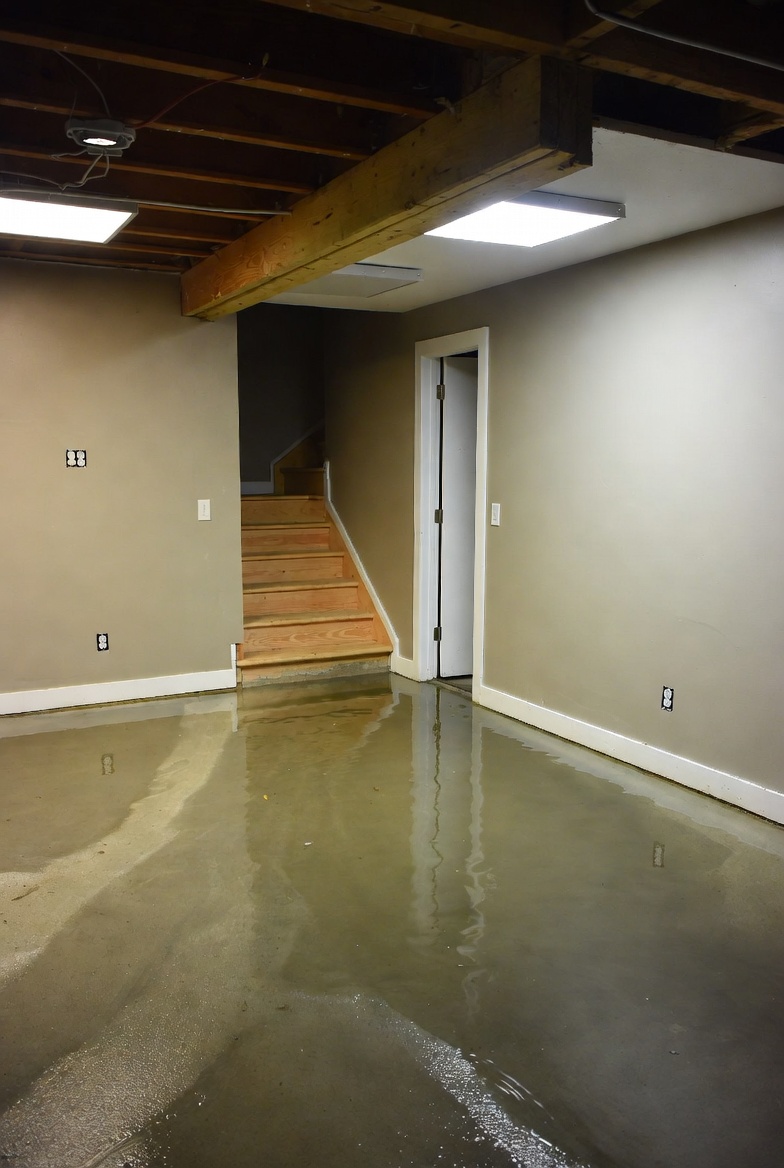
If your basement is filling while heavy rain is falling, first protect people and valuables, then work to keep exterior water moving away from the foundation. Clear nearby drains and window wells, run and test your sump and its backup, and create temporary diversions for downspouts. If water keeps coming in despite these steps or the sump can’t keep up, call a professional immediately.
Why This Happens
Heavy rain can overwhelm any system designed for normal storms. Gutters and downspouts clogged with leaves or debris send more water to the foundation. Window wells can trap water against windows and basement walls. If ground around the house is saturated, water finds the lowest entry points such as seams, cracks, or poorly sealed penetrations in the foundation. A stuck or undersized sump pump or a dead backup battery makes the problem much worse.
If this flooding is sporadic or follows intermittent storms, it may point to a surface-drainage issue rather than a long-term waterproofing failure — see Intermittent flooding after storms. If the problem seems tied to one season, look into seasonal causes like snowmelt combined with spring rains — see Flooding only in spring.
Step-by-Step What to Do
1. Immediate safety and damage control
- Move people and pets to a dry area. Remove irreplaceable items from the floor and store them higher up.
- Avoid walking through standing water, especially near outlets or appliances. If water reaches electrical panels, consider shutting off power only if you can do so safely; otherwise wait for a pro.
2. Clear window wells and remove debris from gutters to maximize runoff
- Use a long-handled tool or gloved hands to remove leaves and debris from gutters and downspout openings. Keep gutters flowing so water is carried away from the foundation.
- Clear window wells of leaves and sediment so water can flow past the window rather than pooling against it.
3. Run and test sump pump capacity and backup during the storm
- Turn on the sump pump and watch how quickly it removes incoming water. If it cycles constantly or can’t keep up, you’re likely dealing with excess inflow or a pump that’s too small.
- Test backup systems now: if you have a battery backup, confirm it kicks in when the main pump is switched off; if you rely on a generator, use it only as intended and follow safe operation rules.
- If you have a wet/dry vacuum and it’s safe to use, it can help clear small volumes, but it’s not a substitute for a working sump system.
4. Create temporary diversions for downspouts
- Extend downspouts with rigid extenders, flexible tubing, or heavy-duty trash bags taped into a chute to move water at least several feet away from the foundation and toward a storm drain or lower yard area.
- Sandbags or stacked boards can divert flow away from doorways or low spots. Place them so water is guided around—not toward—other structures.
5. Check foundation seams for active penetration points
- Look for active leaks: running water, wet streaks, or bubbling mortar along seams and joints. Mark any active spots so they can be documented for a professional repair.
- Don’t attempt major excavation or structural repairs during the storm. Temporary sealing with waterproof tape or plastic can reduce inflow until a pro can evaluate.
6. Manage interior water and document damage
- If water is entering, use pumps or buckets to move it out, but keep safety first — avoid electrical appliances in wet areas and wear protective gear if water is contaminated.
- Take photos and notes for insurance and for professionals who will repair the issue after the storm.
What Not to Do
- Do not start digging or attempt major foundation repairs during the storm — changing soil or excavation when the ground is saturated can make things worse or be dangerous.
- Do not leave sump pumps untested. An untested backup can fail when you need it most.
- Do not touch electrical panels, appliances, or outlets in flooded areas unless power is safely shut off and you are qualified to do so.
- Do not delay calling for help if water keeps entering despite clear gutters, if the sump can’t keep up, or if interior pumps fail during heavy rain — get professional help promptly.
When to Call a Professional
- Water continues to enter the basement despite cleared gutters, working downspouts, and an operating sump pump.
- Your sump pump or backup can’t keep up with inflow, or you experience repeated failures during the same storm.
- Active leaks at foundation seams, large cracks, bulging walls, or any signs of structural movement are present.
- Floodwater is contaminated (sewage or chemical) or has reached HVAC or electrical equipment.
Safety Notes
- Avoid contact with standing water that may be contaminated. Wear rubber boots and gloves if you must enter the area.
- Do not operate electrical equipment in wet areas. If power must be shut off, only do so at the main breaker if you can access it safely and are standing on dry ground.
- If using a generator, follow manufacturer safety instructions and never run it indoors or feed it into household wiring.
- Document damage with photos before cleanup when it is safe to do so; this helps insurance and repair contractors.
Common Homeowner Questions
- Can I stop the water by digging a trench during the storm? No — digging in saturated soil can be dangerous and usually won’t help immediately; use temporary surface diversions instead.
- How fast should my sump pump remove water? It should keep up with incoming flow and not run continuously; if it’s constantly running or cycling rapidly, it may be undersized or failing.
- Is it okay to wait until after the storm to call a pro? If water is entering now or systems are failing, call a pro immediately; waiting can cause more damage and higher repair costs.
More in this topic
For more related fixes and similar symptoms, see Intermittent Basement Flooding Events.