Quick Answer:
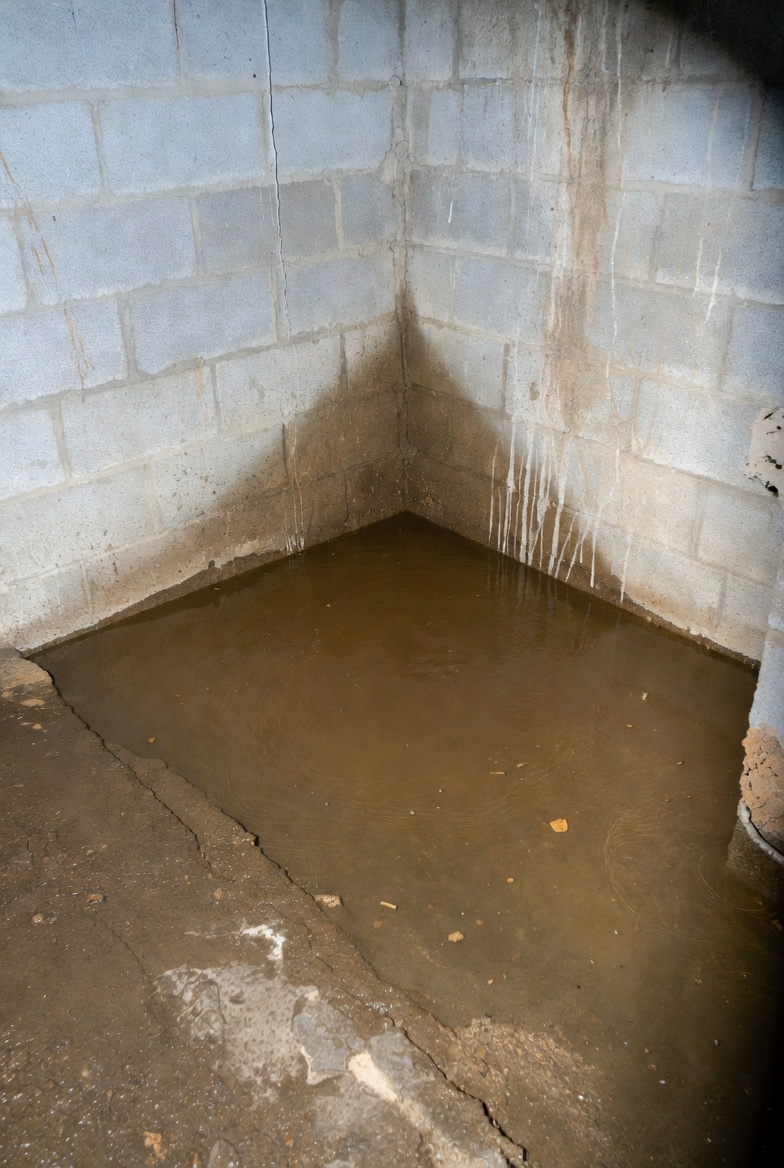
If you see sewage backing into a basement while a sewer service truck is at the street, first check the outdoor cleanout cap and tighten it if it’s loose. Ask the cleaning crew where they felt resistance and whether they discharged any material onto the street. Inspect the basement ejector pump for blockage. If those checks don’t stop the reversal, run a controlled test flush while watching the cleanout to see if sewage is being pushed back into the house. If sewage reaches living spaces or solids keep returning after the crew’s work, call a professional immediately.
Why This Happens
- Cleaning equipment can dislodge solids that travel back toward the house if the flow path downstream is restricted.
- A loose or missing outdoor cleanout cap can allow pressure or released material to push back into the lateral and into lower-level drains.
- Basement ejector pumps or sump systems can be blocked or fail, leaving the lowest drains vulnerable to reversal under added pressure.
- Older or compromised laterals can leak or collapse when stressed during cleaning, which may let sewage enter the house rather than the street.
Related reading: Flooding during peak water use and Flooding worsens over time.
Step-by-Step What to Do
1. Secure the outdoor cleanout
- Locate the outdoor cleanout at the property line or near the street. If the cap is loose, tighten it by hand or with a wrench (turn carefully to avoid cross-threading).
- If the cap is damaged or missing, ask the crew to re-cap it now or cover it temporarily while you arrange a replacement.
2. Ask the cleaning crew what they saw
- Ask where they felt resistance in the line and whether they discharged material into the road or a truck. That helps locate the blockage and shows whether material was forced back toward the house.
- Request the crew to pause and confirm they did not leave equipment running that could keep pushing flow back.
3. Inspect the basement ejector pump and lowest drains
- Check the ejector/sump pump for clogs, a stuck float, or lack of power. Remove debris from the pump discharge and inlet per the manufacturer’s safe-access instructions.
- If you’re not comfortable with pump inspection, ask the crew or call a pump technician rather than attempting complex repairs yourself.
4. Run a controlled test flush while observing the cleanout
- Place a large bucket under the cleanout or be ready with absorbent rags and protective gear before testing.
- Have one person inside flush a toilet or run a few gallons of water while another watches the cleanout for any reversal or discharge.
- If you see sewage flow back at the cleanout, stop the test and contain spills. That confirms the problem is in the mainline or lateral rather than a single fixture.
5. Contain small spills and document
- For minor overflows, contain the area with rags and a bucket, remove solids with a shovel or scoop into a sealed bag, then disinfect hard surfaces.
- Take photos of the cleanout, any discharge, and notes from the cleaning crew—these help if you need to escalate the issue or make an insurance or warranty claim.
What Not to Do
- Avoid flushing more toilets or running appliances to try to push a blockage through—that often makes a backup worse.
- Do not open the cleanout without a bucket, gloves, eye protection, and a plan to catch and contain sewage.
- Avoid pouring chemical drain cleaners into the main lateral or the ejector pump—these can damage equipment and are unlikely to clear a mainline obstruction.
When to Call a Professional
- When sewage backs up into living spaces—call a licensed plumber or emergency sewage cleanup immediately.
- If you cannot clear the mainline with safe, basic checks (tightening the cleanout cap, confirming pump operation), call the company that did the cleaning or another experienced plumber.
- If solids return after the cleaning or the crew reports significant resistance in the lateral, schedule a professional camera inspection and repair work.
Safety Notes
- Treat sewage as hazardous: wear gloves, boots, and eye protection when you handle spills or inspect drains.
- Keep children and pets away from contaminated areas until cleaned and disinfected.
- Ventilate the area and avoid mixing cleaning chemicals; follow product instructions for disinfecting surfaces after removing solids.
- If you smell strong sewer gas or notice structural damage (sinkholes, sagging floor), evacuate the area and call professionals.
Common Homeowner Questions
- Why did this start while the crew was working? The crew’s cleaning can dislodge material or change pressures in the line, revealing or creating a path back to lower drains.
- Can I clear this myself if I see flow at the cleanout? If the problem is only a loose cap, tighten it and test. If sewage is flowing back or solids are present, call a pro.
- Should I contact the cleaning company first? Yes—ask them what they observed and request they stop work until the situation is assessed; they may be responsible for correcting damage caused during cleaning.
More in this topic
For more related fixes and similar symptoms, see Intermittent Basement Flooding Events.