Quick Answer:
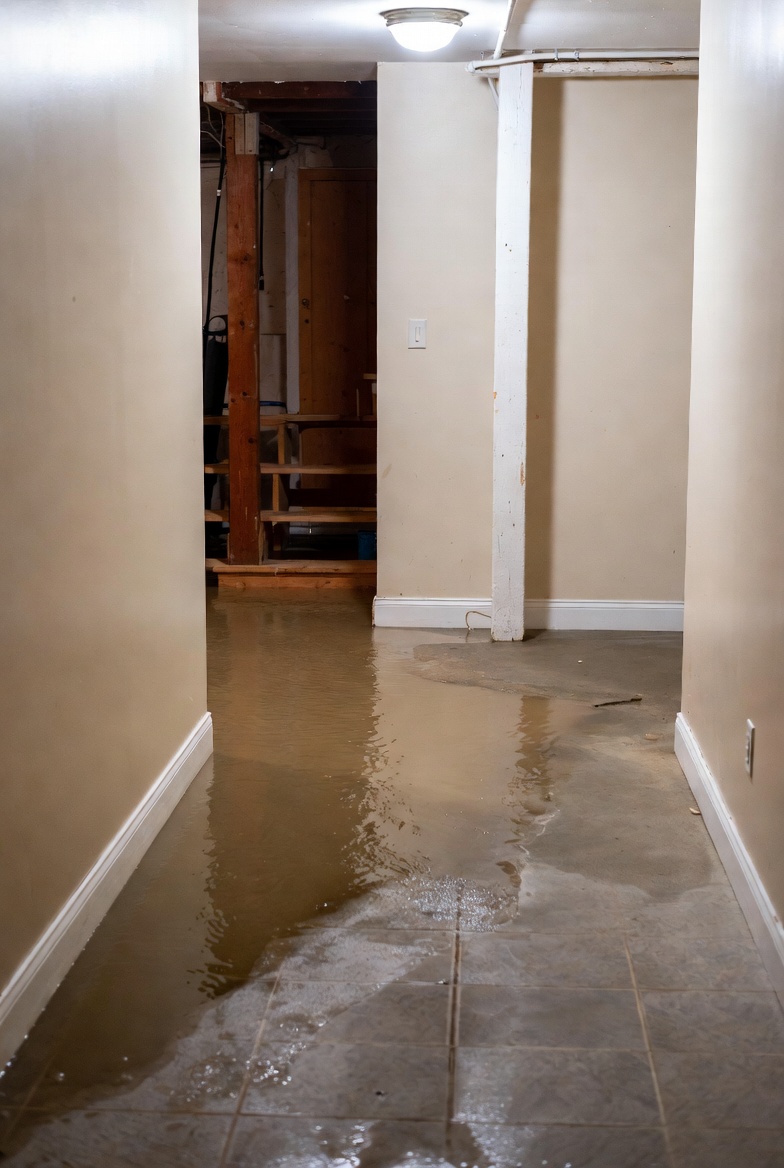
If you see water in the basement while multiple fixtures are running, stop using water and test fixtures one at a time to find what causes the backup. Check the basement floor drain and any sewage ejector or sump pump for signs of surcharge. Inspect cleanouts carefully for backup and look for signs the municipal sewer is overloaded during peak hours. If sewage appears in living spaces, or you can’t relieve pressure at the cleanout, call a professional immediately.
Why This Happens
Many houses share a lateral or connect to a municipal sewer main that can become overloaded during peak morning or evening water use. When the main is surcharged, wastewater can back up into the lowest point of your system, often a basement floor drain, laundry drain, or ejector pump basin. Problems that can cause or worsen backup include partial blockages in the lateral, a failed ejector pump, restricted cleanouts, and high demand on the municipal system at the same time your home is using water.
Step-by-Step What to Do
1. Stop using water immediately
- Turn off faucets and appliances. Ask everyone in the house to avoid flushing, running washers, or starting dishwashers until you know what’s happening.
2. Run fixtures one at a time to isolate the source
- With all water off, run a single fixture (toilet, tub, sink, washer) and watch the basement drain area. Repeat with each fixture until you trigger the backup. This isolates which appliance or line is connected to the problem.
- If the washing machine triggers the backup, check guides on flooding when washer drains for next steps specific to that appliance.
3. Check the basement floor drain and ejector/sump pumps
- Look at the floor drain for surfacing water, and inspect any sewage ejector pump basin for overflow or abnormal float position.
- Confirm the ejector or sump pump has power and that the float and switch move freely. If the pump has stopped or is short-cycling, stop using water and call a pro.
4. Inspect cleanouts carefully
- Locate the main cleanout and any downstream cleanouts. Open them slowly and stand back—pressure or sewage can force material out.
- If sewage or strong backpressure comes out of the cleanout, close it and call a professional; do not attempt to force the blockage through.
5. Look for signs of municipal sewer surcharging
- Check whether neighbors have similar backups or whether the problem only occurs at peak times (mornings, evenings). Visible backups in street drains or advisories from the water/sewer department suggest a municipal issue.
- If the timing matches peak use across multiple homes, limit all water use and contact the local sewer authority after documenting the problem.
6. Limit testing and document what you find
- Do not run coordinated heavy-use tests that could push sewage into living spaces. Instead, use single-fixture tests and take notes or photos of what happens and when.
- If backups start after recent maintenance, check guidance on flooding after sewer cleaning and report that information to your service provider.
What Not to Do
- Do not perform coordinated heavy-use tests (multiple fixtures at once) that risk pushing sewage into living spaces.
- Do not delay calling a professional when sewage appears, when backups happen at relatively low usage, or when cleanouts don’t relieve pressure.
- Do not enter standing sewage or try to clear a main lateral beyond basic visual checks—this is hazardous and can spread contamination.
- Do not open electrical panels or touch powered equipment while standing in water. Shut off power to pumps only if it can be done safely.
When to Call a Professional
- Sewage is present in the basement or other living spaces.
- Backups occur with low or single-fixture use—this often indicates a mainline issue or failed ejector pump.
- Cleanouts show pressure or sewage but do not relieve the blockage.
- Repeated backups, failed pumps, or any situation where you can’t identify or safely reduce the flow.
- If you suspect a municipal surcharge affecting multiple properties—contact both your plumber and the local sewer authority.
Safety Notes
- Avoid direct contact with wastewater. Wear gloves, boots, and eye protection if you must approach the area.
- Keep children and pets away from contaminated areas and standing water.
- Do not use electrical equipment in flooded areas and do not touch pumps or panels while standing in water.
- Ventilate the area to reduce fumes and odors, but be cautious about opening doors that might spread contamination through the house.
- Disinfect surfaces that were contacted by wastewater once the situation is resolved and professionals say it’s safe.
Common Homeowner Questions
- Why does the basement back up only during morning or evening?
Those are peak-use times when the main sewer or lateral can become surcharged, causing backups into the lowest point of your system. - Can I clear a mainline clog myself?
No—clearing a mainline often requires professional equipment and expertise; attempting it can make the problem worse or create health hazards. - Will the city fix a municipal surcharge?
If multiple properties are affected or you see street backups, notify the sewer authority; they are responsible for the public main, though you may still need a plumber for your lateral or private repairs.
More in this topic
For more related fixes and similar symptoms, see Intermittent Basement Flooding Events.