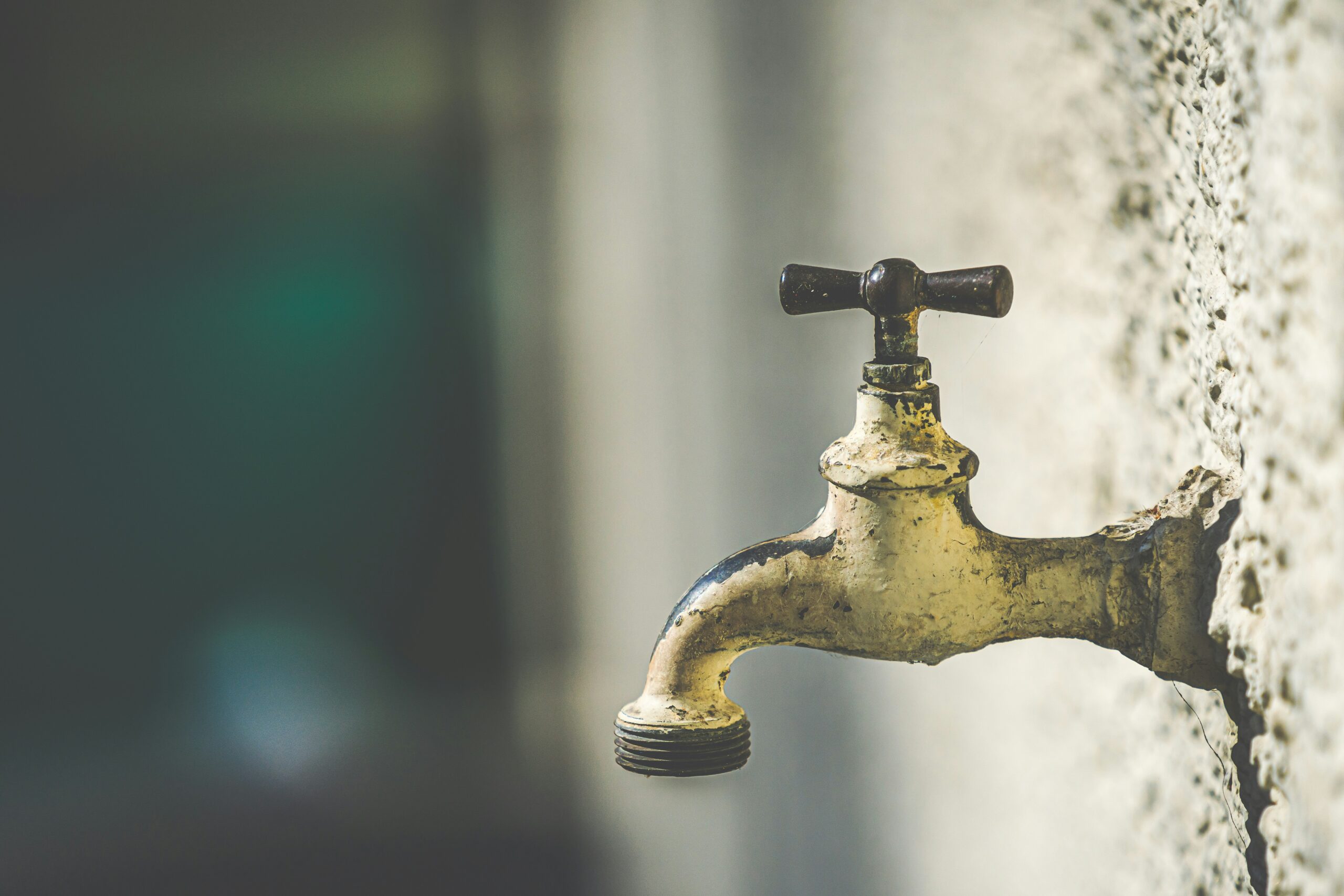
Two hoses sharing one spigot can reduce each other’s flow because demand and losses change. A weaker stream does not by itself prove a defective splitter or inadequate main, and stream feel is not a pressure measurement.
Keep away from wet electrical equipment. Do not touch wet appliances, plugs or switches, or enter water to reach a breaker. When no gas leak is suspected, power may be isolated only from a safely accessible dry location; otherwise call an electrician or emergency help. Wet equipment needs qualified assessment before it is used again.
Record what actually changed
- Hose lengths and diameters, nozzles, splitter and protective-device models, and which outlets were open.
- Whether other household demand changed, and whether the problem is new at otherwise comparable conditions.
- Visible kinks, a damaged washer or a known maker-rated flow limitation; keep cosmetic appearance separate from measured performance.
Make a fair comparison only when suitable
First establish sound containment, suitable water quality and a safe accepting discharge area. Changing from two hoses to one changes demand; swapping a splitter while also changing a hose or nozzle changes several variables. Any justified comparison should keep the relevant load and configuration comparable, preserve required backflow protection and follow actual equipment ratings. Close the supply and control each trapped segment before changing connections. Do not use a hand over a nozzle as a pressure gauge.
Read the result within its limits
A measured delivered volume over time is a flow rate at that configuration. A pressure measurement needs a suitable rated gauge at an identified safe connection, with no-flow or flowing state recorded. Do not remove a protective device or open a plumbing joint to improvise a test. Falling flowing pressure can be expected as demand rises; compare actual design requirements before calling it a fault.
Choose the next action
Correct an observed kink or specified removable screen/washer problem using the maker’s method. If the required combined demand exceeds the rated path, the installer can assess an appropriately designed supply. A nearby regulator is not an isolator to turn fully open, and a valve’s intended position depends on its function. Do not adjust utility equipment, PRV settings or concealed piping from a stream comparison.
For an owner-removable hose or splitter, close its supply and release trapped hose-side pressure through the intended outlet into a suitable receiving area. A closed nozzle, check valve or attachment can retain pressure separately. Do not loosen a coupling to vent it, twist the faucet in the wall, or remove required backflow protection. Support the fitting and follow its actual instructions; stop for a seized connection or uncertain pressure.
Stop conditions
Stop use for leakage, suspected backflow, a new water-quality change or inability to control the source. Use the actual device and supply investigation rather than buying an unspecified “better” splitter.