Quick Answer:
If a drain only backs up sometimes, the cause is usually a partial obstruction, tree roots intruding into the sewer, or intermittent infiltration during storms. Start by keeping a clear log of events, inspect gutters and downspouts for yard runoff, and try a careful local snake through the cleanout to see whether the blockage shifts. If the problem is unpredictable or repeats, schedule a professional camera inspection so a plumber can look for roots, cracks, offset joints, or a collapsing section of pipe.
Why This Happens
- Partial blockages (grease, debris) can let water pass most of the time but clog when flow patterns change.
- Tree roots can move with soil moisture and intrude intermittently, opening or closing paths as they swell or dry.
- Stormwater infiltration from clogged gutters or disconnected downspouts can overwhelm the line only during certain conditions.
- Cracks, offset joints, or a collapsing pipe can behave inconsistently and allow backups at random times.
- Pressure changes in the main sewer or home plumbing can cause short, unusual backflows — see Backup after pressure change for more on that scenario.
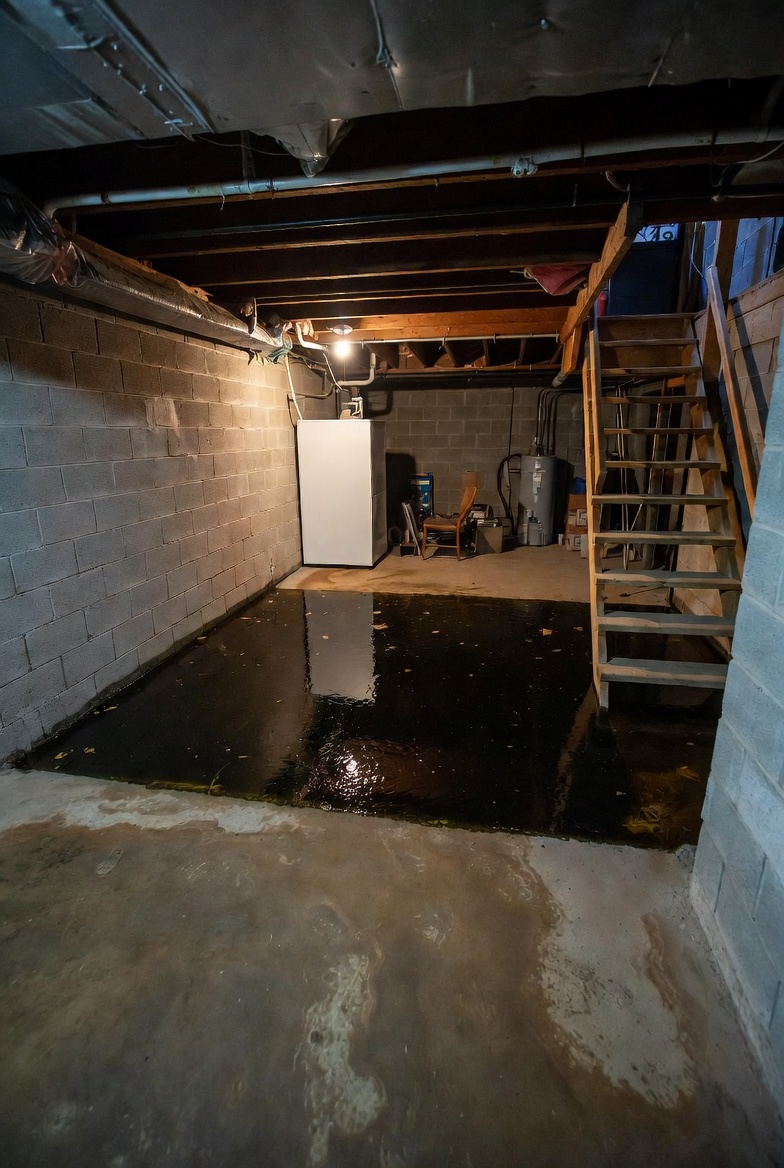
If backups involve a basement drain, consider the broader context covered under the cluster topic Basement Floor Drain Backups.
Step-by-Step What to Do
Step 1 — Keep a log
Keep a log of what fixtures ran immediately before each event. Record the time, which fixtures were used (toilet, washing machine, bathtub, kitchen sink), how much water was used, and the weather. Over several events a pattern often appears (same fixture, heavy rain, pumping cycle, etc.).
Step 2 — Inspect gutters and downspouts
Check gutters, downspouts, and the areas around foundation drains. During storms, look for pooling water near the house or downspouts that drain toward the foundation. Correcting roof runoff can remove a variable source of infiltration that causes intermittent backups.
Step 3 — Check the cleanout and try a local snake
Open the nearest sewer cleanout and examine for standing sewage or roots near the access. If you use a hand auger or handheld snake, work only through the cleanout and use gentle, controlled feeding to see whether the obstruction shifts. Note whether material removed is grease, hair, or root material. Stop and call a pro if the obstruction feels solid or the line is damaged.
Step 4 — Schedule a camera scope with a professional
Have a licensed plumber run a camera scope to inspect for roots, cracks, offset joints, foreign objects, or partial collapses. A camera gives a clear diagnosis so the correct repair is chosen (root cutting, spot repair, or pipe replacement). Do not attempt to interpret camera results yourself if you are unfamiliar; ask the plumber to explain and show key findings.
Step 5 — If intermittent and unpredictable, prioritize the camera
When backups are intermittent and unpredictable, push for a camera inspection sooner rather than later. Collapsing pipe sections and root intrusions can become permanent failures; early diagnosis avoids emergency sanitary issues and more expensive repairs later.
What Not to Do
- Avoid repeated forceful snaking without inspection — this can worsen cracks and push roots deeper into the pipe.
- Don’t delay calling a professional when backups are intermittent but recurring, when a camera scope is recommended, or when you detect tree roots at cleanout access.
- Don’t rely on repeated chemical drain cleaners for main sewer problems — they usually don’t reach the obstruction and can harm pipes and septic systems.
When to Call a Professional
- When backups recur even after snaking or when they affect multiple fixtures at once.
- If you see or pull root material from the cleanout, or you suspect a broken or offset joint.
- If backups are unpredictable and you cannot correlate events from your log — that unpredictability often means a camera inspection is needed to rule out collapse or roots.
- When sewage is reaching living areas, call immediately for emergency service.
Safety Notes
- Wear gloves and eye protection when working near sewage. Raw sewage may contain pathogens.
- Avoid breathing sewer gasses; work in well-ventilated areas and don’t kneel directly over an open cleanout.
- When using a snake, keep a firm grip and feed it slowly; sudden movements can cause injury or damage the tool.
- Leave confined-space or extensive sewer work to trained professionals with the right equipment.
Common Homeowner Questions
- Why does a backup happen only sometimes? Partial blockages, roots, or variable inflow (like stormwater) can allow flow most of the time but cause backups under certain conditions.
- Can I fix this with store-bought drain cleaners? No. Chemical cleaners rarely solve main sewer or root problems and can damage plumbing and septic systems.
- How urgent is an intermittent backup? If it happens more than once or affects multiple fixtures, schedule a camera inspection promptly to avoid more serious failures.
Related Articles
If you’re seeing a related symptom, these may help:
- Drain backs up intermittently
- Backup after pressure change