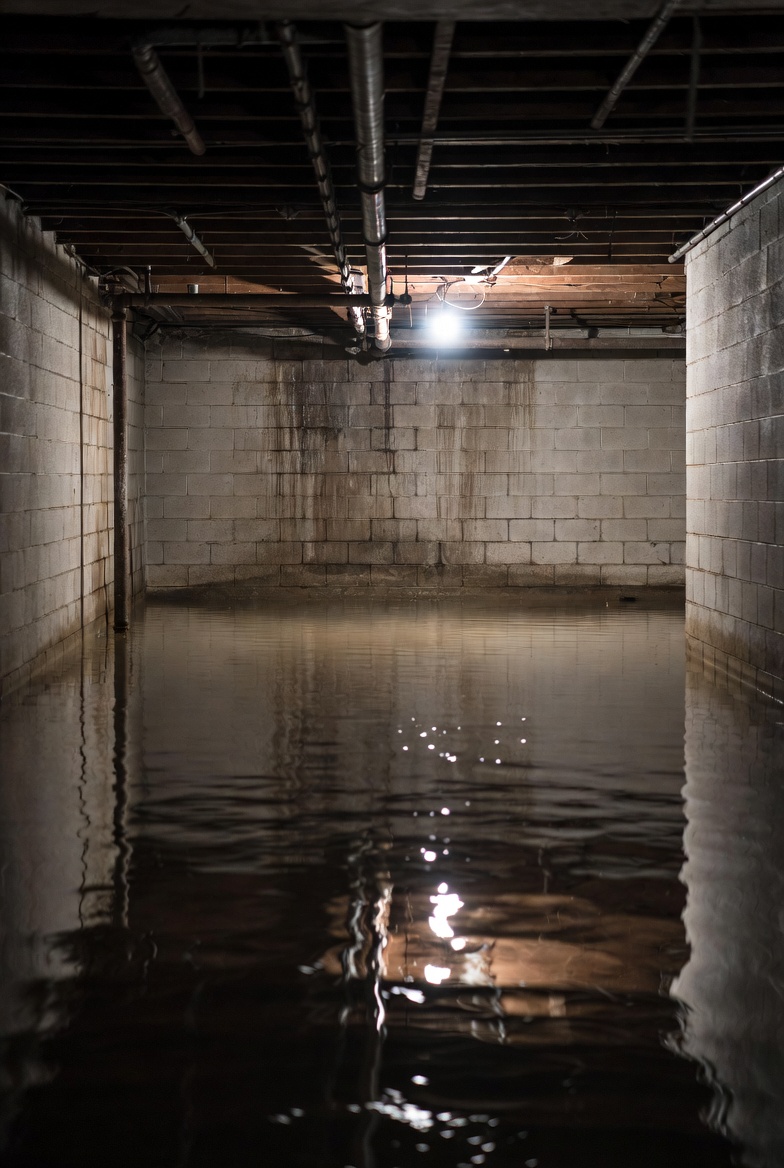
Backup after pressure change
Quick Answer:
A pressure surge from nearby water-main work can dislodge debris or momentarily force valves to stick, which may cause backups or unusual flow. Start by checking any recently adjusted inside shutoffs, inspect the pressure-reducing valve (PRV) and any backflow preventer for leaks or trapped debris, run fixtures one at a time, and look for loose connections at the water heater and appliances. If a backflow device is present, follow the manufacturer’s steps to open the test ports or have a pro bench-test the unit.
Why This Happens
When the city shuts a main or repairs a section of pipe, pressure can drop and then spike as service is restored. Those rapid changes can:
- Dislodge mineral scale or grit that can lodge in PRVs, check valves, or backflow assemblies.
- Cause a PRV or check valve to momentarily stick open or closed.
- Create a large simultaneous inrush when many fixtures reopen, overwhelming drains or traps.
Backflow devices and basement floor drains are designed to stop contamination and reverse flow, but trapped debris or a partially closed valve after a surge can make them behave as if there is a clog. For related patterns of trouble in low points of the house, see the cluster hub topic Basement Floor Drain Backups.
Step-by-Step What to Do
1. Note timing and isolate fixtures
- Write down when the city work finished and which fixtures showed problems first (toilet, laundry, basement floor drain, etc.).
- Close the main only if you see active leaks or major pressure swings; otherwise proceed with checks.
2. Check inside shutoff valves for recent adjustments
- Open the shutoffs you normally use (utility sink, inlet valves, appliance valves) to confirm they are in the expected position.
- Look for evidence someone turned a valve during the repair (fresh tool marks or a different feel when turning).
3. Inspect the PRV and any backflow preventer
- Visually inspect the PRV and backflow assembly for dripping or wetness at joints and test-port plugs after the surge.
- Tap gently to see if noise or movement suggests internal parts stuck with debris.
- If a backflow device is present, open its test ports per the manufacturer’s instructions to relieve trapped pressure and check for grit; if you’re not confident, call a pro to bench-test the unit.
4. Run fixtures one at a time
- Open a single fixture (cold only) and let it run for a minute before moving to the next. This reduces simultaneous inrush that can worsen a partial obstruction.
- Start with an outside spigot or utility sink, then move to toilets, showers, and appliances.
5. Check the water heater and appliances
- Inspect water heater fittings, washer hoses, ice maker lines, and dishwasher connections for new drips or loose connections caused by a pressure shift.
- If you see minor weeps, tighten the compression nuts gently per the appliance instructions; if piping is sweating or leaking, shut the water and call a pro.
6. If problems continue, isolate and get help
- If leaks, persistent backups, or pressure won’t stabilize, shut off the main and contact a licensed plumber—especially before loosening any pressurized fittings or sealed devices.
What Not to Do
- Don’t tamper with sealed PRVs or backflow devices without proper tools—avoid opening pressurized fittings.
- Don’t force or hammer check valves or test-port plugs; that can damage components and create a contamination risk.
- Call a pro when pressure-related backups are accompanied by leaking valves, when devices won’t reset, or when you lack the tools to safely test the assembly.
When to Call a Professional
- Any visible leak at a PRV, backflow preventer, or connection.
- Devices that won’t reset, keep tripping, or allow reverse flow.
- When the backflow device needs bench-testing or you can’t follow manufacturer test-port steps safely.
- Repeated backups after you’ve run sequential fixture checks or if multiple appliances show new leaks.
Safety Notes
- Turn off the main water before loosening fittings. Never open pressurized lines.
- Be aware the water heater has hot water and pressure—shut power/gas and drain a little if you must work near it.
- Wear eye protection and gloves when checking test ports; debris or pressurized water can spray unexpectedly.
- If you suspect contamination or sewer backup into living spaces, stop using affected fixtures and call a professional quickly.
Common Homeowner Questions
- Could city pressure changes permanently damage my PRV or backflow device?
Yes—sudden spikes can wear seals or let debris jam moving parts. If performance seems off or you see leaks, have a plumber inspect it. - Will running all the fixtures flush the problem?
Running fixtures one at a time may clear loose debris. Running everything at once can make a partial obstruction worse. - Can I open backflow test ports myself?
Only if you have the manufacturer instructions and the right tools; otherwise call a licensed tester to avoid damage or contamination.
If you recently had plumbing work or a water heater service, you may also find useful tips in the related article Backup after water heater install.