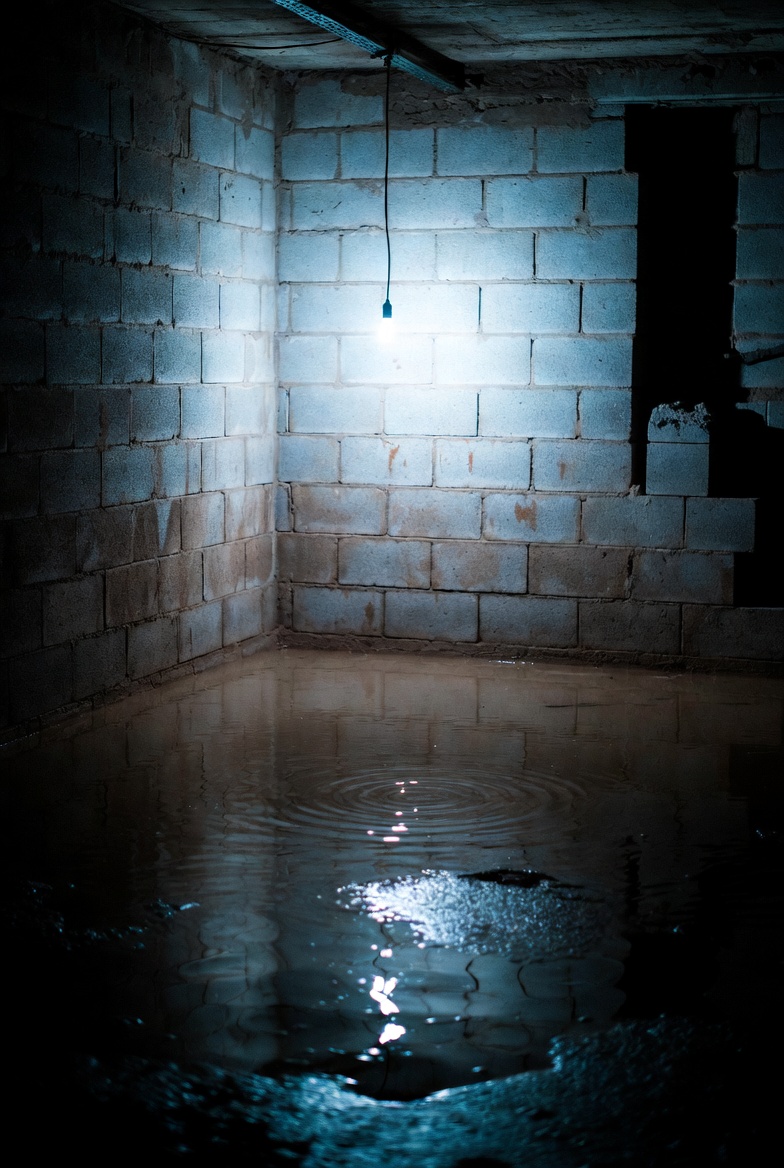
For flooding noticed during a remodel, stop affected inputs and contact the crew with the actual work record. Debris or altered routing is possible where evidence supports it, but a floor that slopes toward a drain is not inherently wrong. Do not repeat a five-gallon bucket test to prove a deep obstruction.
Protect people and stop contributing discharge
For strong, widespread or unexplained gas-like fumes, exposure symptoms or suspected concentrated sewer gas, leave the building and call emergency services from outside. For suspected fuel gas, leave even if faint and do not operate switches, plugs, valves or phones there. Do not stay to sniff, ventilate or wait for an odor to fade; follow responder clearance.
Stay out of floodwater near electrical equipment. Do not touch wet plugs, controls or appliances; isolate only from safe dry access when no gas emergency is suspected, or get utility/electrician help. Stop affected household wastewater inputs during backup. Keep people and pets away from sewage and obtain prompt appropriate service. A water-supply shutoff cannot stop every external sewer or groundwater inflow.
Preserve construction evidence without unsafe pickup or testing
- Changed work: Ask which waste, vent, supply, floor or fixture parts changed and what checks were actually completed. Record accessible earlier photographs without opening a service cap or entering a crawl space.
- Dust or solids: Do not flush grout, plaster or tile debris downstream. A generic wet/dry vacuum and an N95-style mask do not establish safe collection of unknown fine dust, chemicals, combustible material or sewage. The actual contaminant, equipment and protective method need assessment.
- Floor versus pipe slope: A floor directing surface water toward its intended inlet is different from waste-pipe grade, a restricted receiving path or an altered trap. Timing and one pour cannot establish the required correction or certify drainage.
Must the contractor pay because it started during the job?
Document the work and request appropriate assessment, but timing alone does not establish responsibility or coverage. Ask for the actual findings and proposed scope. Heavy debris, unknown contamination, damaged parts or repeated return needs suitable plumbing or restoration help, without forcing a tool or vacuum into an unassessed drain.
Use the original event, then arrange the appropriate assessment
Keep cleanout caps and unidentified sealed covers closed. Slow opening and gloves do not establish that trapped sewage, gas or pressure can be safely released. Do not open an access to discover the water level, run other fixtures or add a bucket to locate the blockage. Do not enter pits, tanks, manholes or excavations.
Record the original water location, actual discharge, work history, alarms and every cleaner or winterizing product already used. Do not add another product or improvise neutralization; identify actual label restrictions before tools, opening or cleanup. Waiting or a guessed rinse is not clearance. Collect photographs only from safe access and do not delay help to finish a log.
A suitable correction, accepting receiving path, secure reassembly and required source checks must precede any controlled completion check. Stop at leakage or renewed rise. Ask the provider what evidence supports clearing, a device repair or further inspection. A camera has access and visibility limits and does not automatically establish every hidden fault, grade or required replacement. Control source and electrical hazards before appropriate cleanup.
Related guides
- Basement Floor Drain Backups
- Basement Drain Backup After Plumbing Repair
- Basement drain floods randomly
When to get prompt basement drainage help
Sources and limits
- Wisconsin DHS: sewer gas, exposure and leaving an unsafe area
- Con Edison: suspected fuel-gas leak response
- CDC: electrical hazards near water
- Madison Metropolitan Sewerage District: stop discharge and report backup
- Example drain-opener label: remaining-product restrictions
- Seattle Public Utilities: repair choices and sewer-camera limits
Examples do not identify the installed device, actual defect or local responsibility. Independent professional review and household field tests have not been obtained.