Quick Answer:
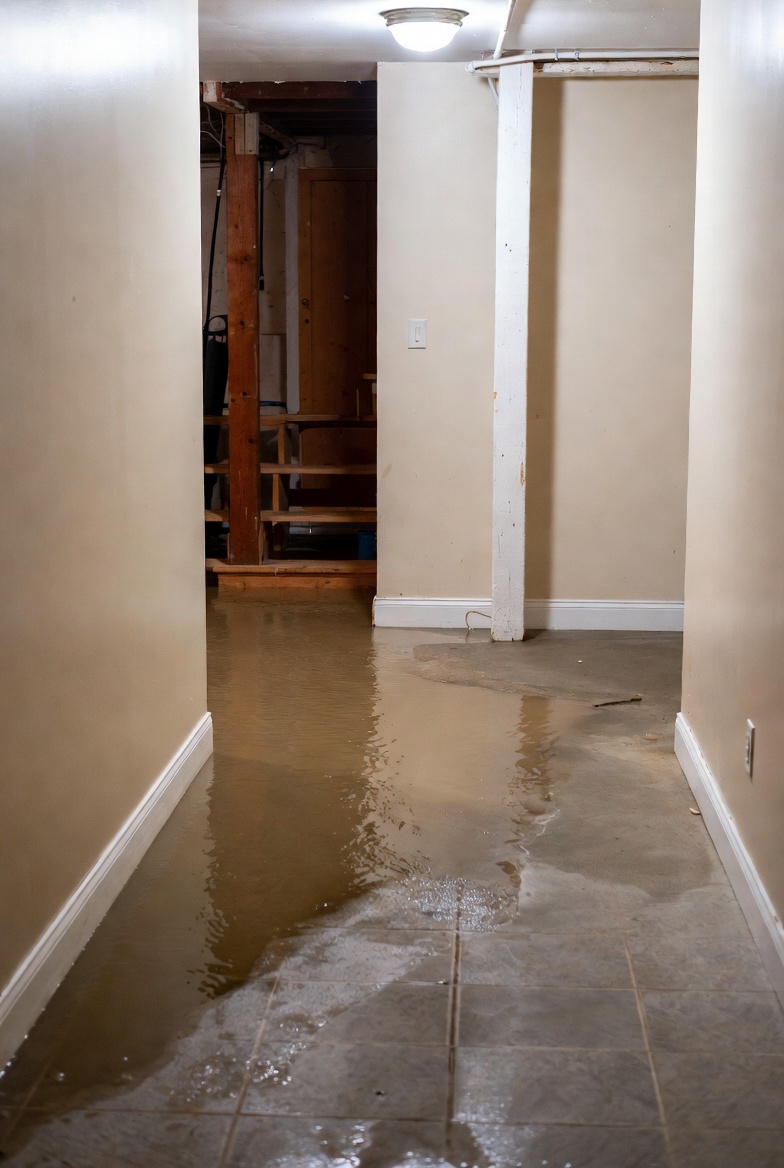
If a basement or floor drain backs up immediately after a water heater installation, don’t panic. Start with a quick visual check around the new heater for loose fittings, routing for the drain pan and relief valve discharge, and any debris that could have entered the building drain during work. Run a short hot-water test while watching the basement drain. Keep the installation company informed and call a professional to camera the sewer line and pressure-test new joints if the problem started after the install.
Why This Happens
Installing a water heater involves disconnecting and reconnecting plumbing, moving the tank, and sometimes working near venting and drains. That activity can:
- Loosen or dislodge fittings or gaskets.
- Allow construction debris or soldering flux into nearby floor or trap drains.
- Alter how a drain pan or relief valve discharge line is routed, creating an accidental blockage or wrong discharge point.
- Create pressure changes that reveal an underlying partial clog when hot water is used.
For related guidance on similar scenarios see the cluster hub topic Basement Floor Drain Backups and the related articles **Backup after water heater install** and **Backup after plumbing repair**.
Step-by-Step What to Do
1. Do a quick visual sweep
- Look under and around the new water heater for visible leaks, loose fittings, wet insulation, or foreign debris.
- Inspect the drain pan piping and any new temperature/pressure relief valve discharge lines to confirm they are routed to an appropriate drain or outside the home, not into a trap or closed line.
2. Check nearby drains for debris or displaced parts
- Remove the floor drain cover if it’s safe to do so and look for obvious debris or loose parts. Use gloves and a flashlight—do not reach into standing sewage.
3. Run a brief hot-water test
- Open a hot tap and run a short cycle while someone watches the basement or floor drain for any immediate response.
- If the drain backs up at the exact moment you run hot water, note timing and whether it’s simultaneous with a visible leak at the heater.
4. Keep the installer informed
- If the backup started after the installation, contact the installation company right away and explain what you observed and when it began.
- Ask whether they routed relief valve lines or performed any work on nearby drains that might explain the timing.
5. Call for professional diagnostic testing
- Arrange for a pro to camera the line to check for debris, solder, or a displaced joint. Video inspection will reveal if debris was introduced or a joint failed.
- Request a pressure test of the new joints if any suspicion of a leak or poor fitting exists—this confirms integrity without guessing.
What Not to Do
- Do not assume a water heater install only affects heating. Plumbing work can affect drains and the sewer system.
- Avoid flushing the tank aggressively through house drains to try to clear the backup; that can push debris further into the sewer and make the problem worse.
- Do not delay calling a pro when backups begin immediately after an install, when you detect leaks around new fittings, or when the installation contractor can’t explain the timing.
When to Call a Professional
- Call a plumber immediately if you notice sewage backup, persistent drainage problems, or visible leaks at new connections.
- Ask the plumber to perform a camera inspection of the line and a pressure test of the new joints—these are the most reliable ways to find installation-related problems.
- If the installer is unwilling or unable to explain the timing or correct obvious issues, involve an independent professional to document the problem.
Safety Notes
- If you smell gas or suspect a gas leak, leave the building and call the gas company and a qualified technician—do not attempt to fix gas connections yourself.
- For electric heaters, turn off power at the breaker if you see water near electrical components and wait for a qualified technician.
- Do not put your hands into drains with standing sewage. Use gloves and eye protection for any close inspection and leave deeper checks to professionals.
Common Homeowner Questions
- Could a new water heater really cause a sewer backup? Yes—work can dislodge debris, affect relief valve routing, or expose a preexisting clog.
- Can I run hot water to “flush” the drain and clear it? No—aggressive flushing can push debris deeper; a camera inspection is safer and more effective.
- Will the installer cover repairs if their work caused the backup? Often yes, but document timing and keep the installer informed; if in doubt, get an independent inspection and estimates.