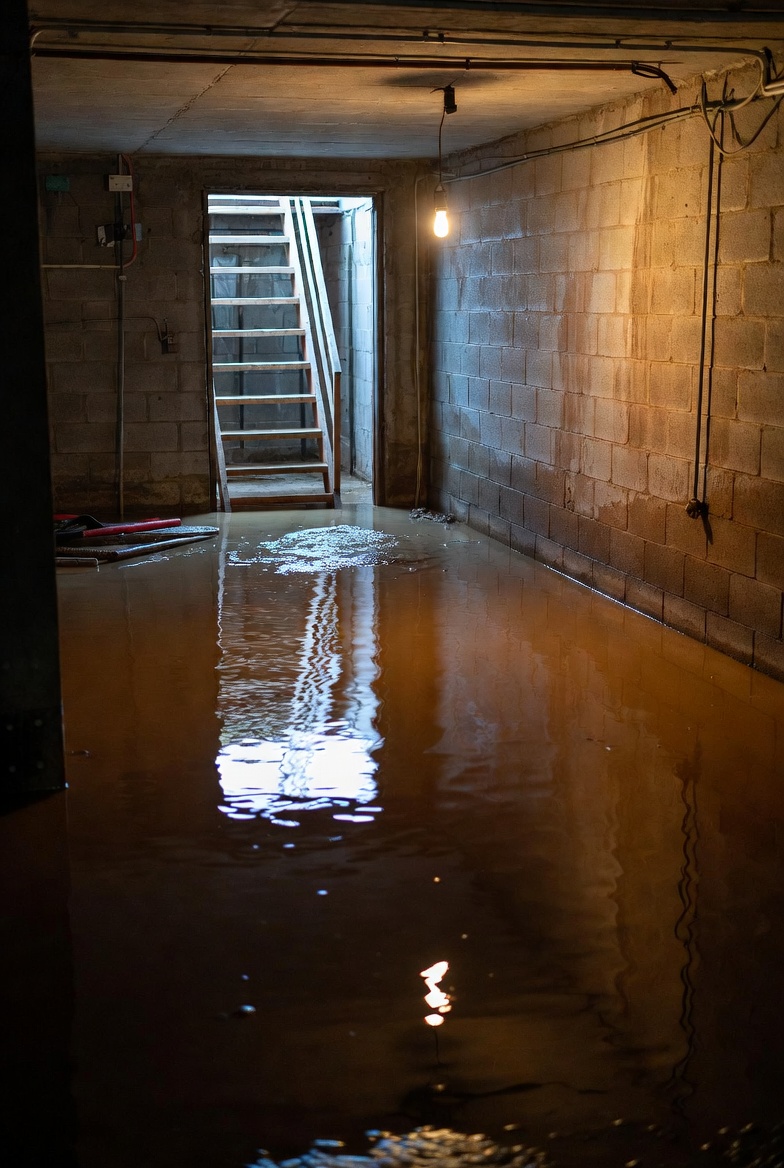
You’ve been sweeping the basement and noticed a slowly worsening odor. It’s easy to worry the sewer lateral or a trap seal has failed. The smell and small changes often point to a progressive problem that can be checked and tracked before any major repair is needed.
Quick Answer:
Small leaks, partial blockages and gradual pipe deterioration let sewer gas or wastewater escape slowly. Check for expanding wet spots, increased gurgling, slower drain response, visible rust or hairline cracks, and get a camera inspection if the decline continues. Also review nearby trees and past repairs to find likely causes.
Why This Happens
- Traps evaporate or lose seal over time when drains are unused or venting is blocked, letting sewer gas into the room.
- Partial clogs and sediment build-up cause slow drainage and gurgling; the extra turbulence stresses joints and trap connections.
- Older materials (cast iron, clay) corrode and crack; hairline fractures grow under repeated water and soil movement.
- Tree roots, ground shift, freeze–thaw cycles and repeated minor repairs create weak points that worsen with each wetting and drying cycle.
For more on causes tied to the yard, read How tree roots invade sewer lines. For patterns tied to heavy weather or floor drainage, see Understanding basement flooding patterns. For general coverage of related topics, check the cluster hub topic Drain Problems.
Step-by-Step What to Do
Document changes over time
- Take dated photos of any wet spots, stains, or puddles and keep simple notes about when smell or gurgling appears. Comparing images and notes over several weeks shows whether a spot is expanding or smells are getting worse.
- Record frequency of gurgles and when they happen (after laundry, toilet flushes, storms).
Run flow tests and note response times
- Run water in each basement fixture for 30–60 seconds and watch how quickly it clears. Flush toilets, run sinks, and use a bucket for a heavier flow test.
- Note slowing, backflow, bubbling, or longer clear times compared to past tests. If response times keep getting worse, that suggests a progressive blockage or failing lateral.
Inspect visible pipe segments
- Look at exposed pipes, cleanouts and joints for rust, hairline cracks, loose clamps, or sediment build-up. Photograph any suspect areas.
- Check trap seals, nearby floor drains and cleanout caps for tightness and signs of seepage or staining.
Order a camera inspection if decline is apparent
- If your documentation shows progressive deterioration — expanding wet areas, increasing gurgles, or slower flows — hire a professional camera inspection. The camera will show roots, cracks, offsets, sags, or collapsed pipe so you can plan the right repair.
- Keep the inspection report and video; it helps target repairs and prevents repeated guesswork.
Review nearby trees, plumbing materials and past repairs
- Note tree species and location, recent landscaping or heavy equipment work, and any known past repairs. Tree roots and prior patch jobs are common contributors to slow, worsening problems.
- Check records or photos for the original plumbing material (cast iron, clay, PVC). Material type helps predict likely failure modes.
What Not to Do
- Avoid masking progressive problems with repeated chemical drain cleaners — they can accelerate deterioration and hide the underlying issue.
- Do not rely on intermittent patchwork repairs that don’t address the root cause; temporary fixes can accelerate failure of joints and nearby sections.
- Call a professional when symptoms steadily worsen over weeks, when multiple drains decline, or when a camera inspection is recommended rather than repeatedly trying DIY band-aids.
When to Call a Professional
- Persistent or spreading wet spots, increasing gurgling, or steadily worsening odors over weeks.
- More than one drain is slowing or backing up — that often indicates a shared lateral or main issue.
- If a camera inspection is recommended or you find visible cracks/collapsed sections, call a licensed plumber with trenchless or replacement options.
Safety Notes
- Sewer gas can include harmful compounds; ventilate the area and avoid prolonged exposure to strong odors. If anyone feels dizzy or sick, leave the area and seek fresh air.
- Do not mix chemical cleaners. If chemicals have been used, tell the professional before they inspect or work on the system.
- Avoid entering confined spaces or digging around pipes without a utility locate and proper protection; call pros for excavation or major repairs.
Common Homeowner Questions
- Q: Could a trap be the cause if only one drain smells?
A: Yes. A dry or compromised trap on that fixture is a common isolated cause. - Q: How fast do roots or cracks worsen?
A: It varies—from months to years—depending on moisture, soil, tree species and pipe material. - Q: Will a camera inspection require digging?
A: Usually not; a camera can run through cleanouts to locate problems and show whether digging or trenchless repair is needed.