Quick Answer:
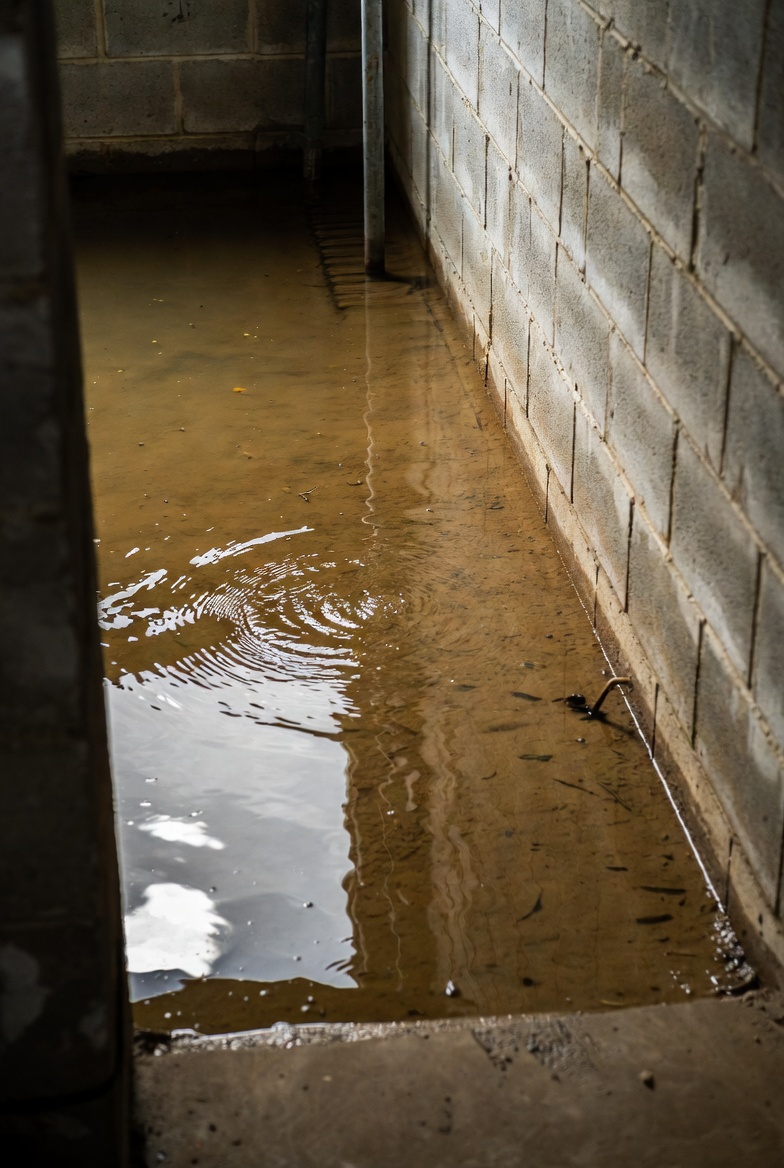
If you see water appearing at basement corners while heavy rain is falling, it often means water is finding a low spot at the foundation line — from surface pooling, blocked or overwhelmed drains, or seepage through joints and cracks. Start by keeping a simple flood log and follow careful checks to locate the entry point before you pump or repair anything.
Why This Happens
- Surface water collects near the foundation when exterior grading or downspout discharge directs rain toward the house.
- Perimeter (tile) drains or a sump can be clogged, overwhelmed, or failing, allowing hydrostatic pressure to push water through joints and cracks.
- Foundation joints, mortar, or small cracks open under load during heavy storms and let water appear at corners where the slab and wall meet.
For general causes and solutions that tie into other drainage issues, see Drain Problems. For tips on prevention and maintenance, also see Preventing basement drain backups and consider how systems deteriorate over time in Why basement drain issues get worse over time.
Step-by-Step What to Do
1) Keep a flood log
- During a storm, note the exact time water appears and the specific corners or spots where it shows up.
- Mark locations on a simple floor plan or use chalk on the wall (outside of finished surfaces) and take timestamped photos when safe to do so.
- Repeat this each storm — the pattern helps identify whether water is entering from outside, through the slab, or via plumbing.
2) Inspect exterior grading and downspout discharge
- While it is raining or right afterward, walk the perimeter and look for pooling or channels of flowing water toward the foundation.
- Check that gutters are not overflowing and downspouts route water several feet away from the foundation. Temporary extensions or splash blocks can be used during the storm to test whether rerouting reduces basement entry.
3) Check interior perimeter drains and test the sump pump under simulated load
- Look into any visible interior perimeter drain openings or cleanouts for debris or silt that could be blocking flow.
- Test the sump pump by pouring water into the sump pit (or using a controlled hose) to simulate storm inflow. Confirm the pump activates, discharges properly, and that the discharge path is clear and directed away from the foundation.
- Note whether water level in the pit rises faster than the pump can remove it — that indicates the system may be overwhelmed during heavy rain.
4) Probe foundation joints and cracks during or immediately after rain
- Inspect inside at the base of walls and at joints while water is present. Use a small stick or paper towel to trace where moisture is entering rather than guessing from dry conditions.
- Follow any damp trails outward and down the wall to locate whether the flow is from the outside, up through the slab, or from a specific crack or joint.
5) Consider temporary containment to isolate entry and identify the source
- Use a temporary sump pump, buckets, or tightly placed sandbags to contain and reduce spread so you can test different areas one at a time.
- Move valuables and electronics away from the wet area before doing containment work. Temporary measures let you determine if rerouting water or isolating a corner reduces inflow.
What Not to Do
- Avoid assuming every basement flood is a plumbing failure and simply pumping it out without locating the entry point. That can hide the source and let damage continue.
- Don’t dig or attempt major exterior repairs during an active storm; unsafe conditions and poor visibility can make errors likely.
- Call a professional when flooding repeats, you see structural cracks, or water is undermining foundation soil — these are signs of serious issues that need trained evaluation.
When to Call a Professional
- If flooding recurs despite temporary fixes or rerouting downspouts.
- If you discover wide or growing structural cracks, settlement, or soil washout near the foundation.
- If water is contaminated (sewage), there are electrical hazards, or the sump and drain systems are not functioning under load.
Safety Notes
- Do not wade into standing water if electrical outlets or appliances are submerged. Turn off power to the basement only from the main panel if you can do so safely; otherwise call your utility or an electrician.
- Wear gloves, boots, and eye protection when handling contaminated water, sandbags, or mud. Treat standing water as potentially contaminated.
- Do not dig under the foundation or remove soil that is holding the foundation in place — that can cause collapse. Leave structural excavation to professionals.
Common Homeowner Questions
-
Why does water only appear in the corners?
Corners are natural collection points where water follows the path of least resistance along the footing, joint, or seam between wall and slab.
-
Is this a plumbing leak or a foundation problem?
Often it’s surface water or hydrostatic seepage rather than indoor plumbing; use the flood log and probing steps to identify the source before assuming plumbing.
-
What temporary steps can I take now?
Move valuables, use a temporary sump or pump, place sandbags to divert flow, and keep a log to help professionals diagnose the cause.