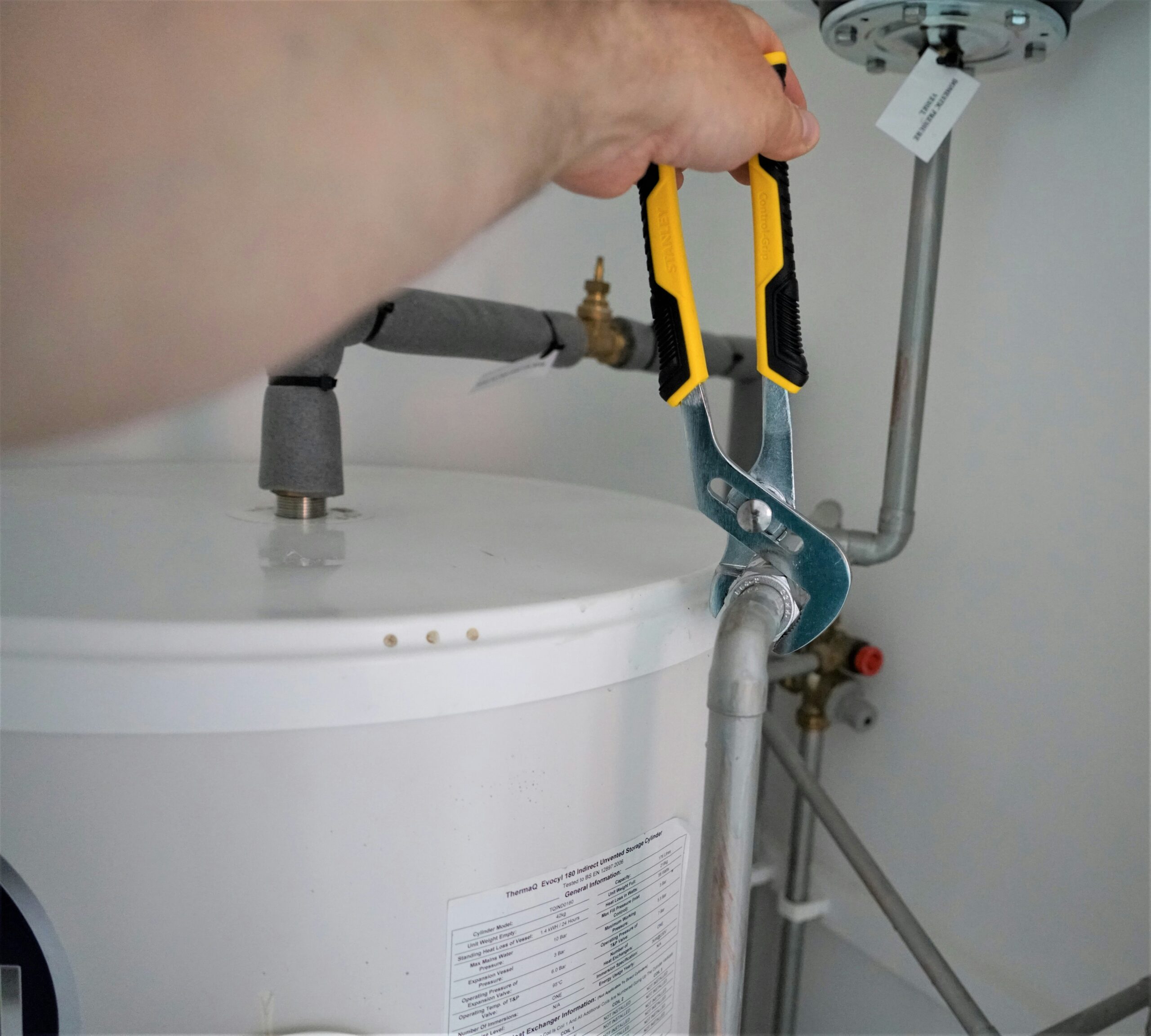
This hub covers ticking or clicking sounds that happen during or after water use—often noticed with hot water, after a shower, or as pipes cool down. Many clicking noises are caused by pipe movement from temperature change (thermal expansion), but similar sounds can start after repiping, insulation work, or a change in water pressure. Use the groups below to match when the sound happens and where you hear it, then open the article that best fits your situation.
Broader topic: Air, Noise & Vibration in Pipes
Thermal expansion and hot-water ticking
Sounds that begin with hot water flow or appear as pipes heat and cool are usually thermal movement or interaction with fastenings. These articles focus on timing related to hot-water use and heaters.
-
Pipes tick when hot water runs
Describes common ticking that occurs while hot water flows and how expansion causes short, regular clicks. It notes typical fastener and routing issues to check first.
-
Ticking noise as pipes cool down
Explains why pipes can keep clicking as they cool and contract after use. The article covers where contraction stresses show up and simple inspection tips.
-
Thermal expansion ticking after heater runs
Focuses on ticking tied to the water heater cycling and the effects of repeated heating. It helps distinguish heater-related expansion from other causes.
-
Ticking in ceiling after hot water use
Covers clicking heard through ceilings following showers or other hot-water use and how attic or ceiling-mounted pipe runs contribute. It suggests targeted inspection points above the noise.
-
Thermal ticking after dishwasher cycle
Looks at ticking that appears after dishwasher or appliance cycles as lines heat and cool. The piece discusses appliance-specific lines and nearby fastenings to check.
-
Ticking after expansion tank install
Examines new ticking that starts after adding or replacing an expansion tank and why system changes can alter pipe movement. It outlines where to look for newly stressed connections.
Where the sound is located
Location is a strong clue: wall, floor, or near an appliance point toward different routing and fastening concerns. These articles help narrow the source by room or mounting location.
-
Clicking in walls after shower
Addresses clicking heard from wall cavities following a shower and how in-wall hot lines and studs interact. It recommends inspection methods that avoid unnecessary wall openings.
-
Clicking behind shower wall
Focuses on sounds localized directly behind shower walls and possible causes like unsecured pipe clips or water heater return lines. It suggests a stepwise approach to pinpointing the run.
-
Clicking noise near water heater
Covers clicks that seem to come from the water heater area, including fitting movement or tank components. The article helps separate tank internal noises from external pipe movement.
-
Clicking under floorboards
Explains ticking under floors, where pipes, mounts, or floor framing contact can make noise as temperatures change. It includes practical checks for subfloor and joist areas.
-
Clicking that sounds like dripping
Helps distinguish true dripping from clicking that mimics drip sounds, often caused by intermittent contact of pipes or fittings. It outlines simple tests to confirm the source.
After changes or external events
Noise that begins after work or outside events often points to altered pipe supports, new routing, or pressure shifts. These pieces cover common post-change scenarios.
-
Ticking after repiping
Describes why new piping can click as it settles or because supports differ from old runs. It includes what to expect and when to contact the installer.
-
Ticking noise after insulation install
Looks at ticking that starts when insulation is added and how added contact or changed clearances create new thermal friction points. It suggests ways to mitigate the issue without removing insulation.
-
Ticking after city pressure change
Explains how changes in municipal water pressure or seasonal pressure adjustments can introduce clicking. The article covers pressure-related hardware to check and monitor.
Time and temperature patterns
When the noise happens—only at night or only in cold weather—helps identify slow thermal cycles or temperature-dependent movement. These articles focus on pattern-based diagnosis.
-
Clicking only at night
Examines noises that appear after household activity slows, including cooling cycles and settling sounds amplified in quiet conditions. It offers ways to confirm timing and likely causes.
-
Ticking only on cold days
Discusses sounds exclusive to cold weather when contraction is greater and materials behave differently. The article suggests targeted insulation or clip adjustments to reduce noise.
After water turns off
Some ticking starts as flow stops and pressure equalizes; this pattern points to specific flow-related dynamics.
-
Ticking after water turned off
Details ticking that begins when valves close and trapped thermal or air pockets shift. It covers basic checks like bleed points and valve seating as first steps.
All Articles in This Cluster
- Pipes tick when hot water runs
- Ticking noise as pipes cool down
- Thermal expansion ticking after heater runs
- Ticking in ceiling after hot water use
- Thermal ticking after dishwasher cycle
- Ticking after expansion tank install
- Clicking in walls after shower
- Clicking behind shower wall
- Clicking noise near water heater
- Clicking under floorboards
- Clicking that sounds like dripping
- Ticking after repiping
- Ticking noise after insulation install
- Ticking after city pressure change
- Clicking only at night
- Ticking only on cold days
- Ticking after water turned off