Bottom Line Up Front A high-pitched screech or whistle from the kitchen sink during use is typically caused by air rushing through a restricted path, a worn faucet cartridge/disc, vibrating supply valves, or noise transmitted from a connected appliance (like disposal or dishwasher). Run tests to isolate hot vs. cold, full vs. low flow, and appliance involvement. Clean the aerator, check valves, and tighten fittings first. If the noise persists or comes with leaks/vibration, call a plumber to inspect the faucet cartridge or venting.
Common Causes High-pitched noises happen when water or air is forced through a tight or vibrating path. The most frequent sources in a kitchen sink include:
- Air trapped in lines or forced through a blocked vent/AAV (air admittance valve), creating a whistling rush.
- Worn faucet parts (cartridge, ceramic discs, or seals) that vibrate or let water whistle past a narrow gap.
- Loose or partially closed supply shutoff valves under the sink — they can resonate at certain flow rates.
- Garbage disposal or dishwasher connections transmitting motor hum/vibration into the plumbing.
- Pressure changes or failing pressure regulator amplifying noises — especially if spikes occur during use.
If the screech follows hot water only, focus on the faucet or hot supply; if tied to disposal running, check mounting/vibration.
Tools & Materials You’ll Need
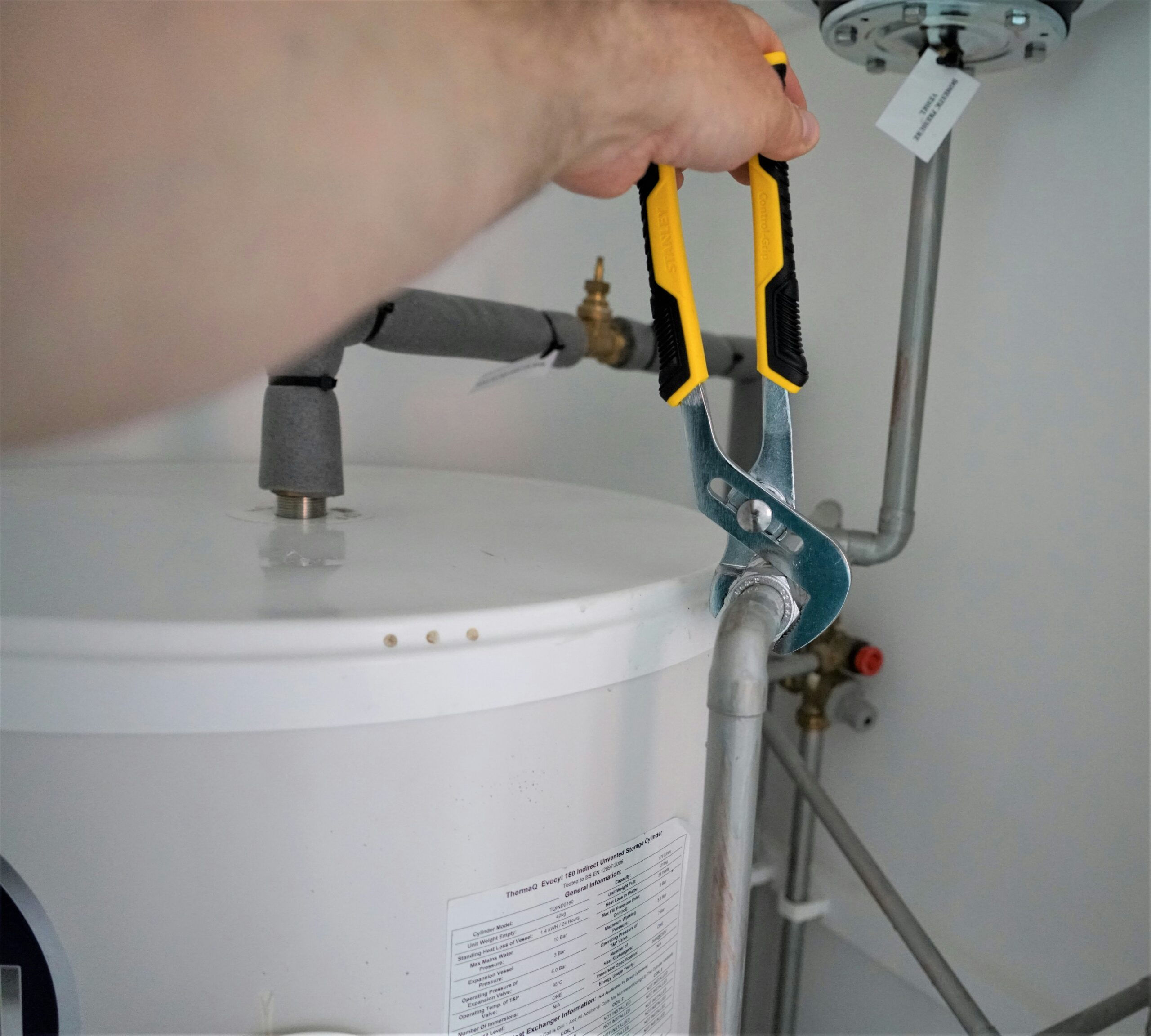
- Adjustable wrench or pliers (for aerator/valve access)
- Flashlight (to inspect under sink)
- Old toothbrush or small brush (for cleaning)
- White vinegar (for mineral buildup)
- Safety gloves and eye protection
Step-by-Step Troubleshooting & Fixes
Step 1: Note When & Where the Noise Happens
- Run hot and cold separately, then together — does the screech occur on hot, cold, or both?
- Test full flow vs. low flow — some noises only appear at certain pressures.
- Run the disposal or dishwasher — does noise start or change?
- Listen from different spots (under sink, across kitchen) — helps pinpoint source.
Step 2: Isolate Connected Appliances
- Turn off power to garbage disposal and dishwasher.
- Run sink water — if screech stops, run each appliance separately to identify culprit.
- Check disposal mounting bolts and rubber splash guard — loose mounting often vibrates and transmits noise.
Step 3: Check Venting Behavior
- Listen for gurgling/bubbling from other fixtures when sink runs — sign of poor venting.
- Inspect air admittance valve (AAV) under sink — if faulty, it can whistle on open/close.
- Run water quickly in nearby fixture (bathroom sink/tub) — if sink noise changes, venting or shared drain airflow is involved.
Step 4: Inspect & Clean Faucet-Specific Components
- Unscrew and remove faucet aerator — look for mineral buildup or debris. Soak in vinegar 15–30 min, scrub, rinse, reinstall.
- Run tap without aerator — if screech stops, aerator was restricting flow.
- If noise persists, suspect cartridge/disc — turn off supply valves, disassemble (per faucet manual), inspect for wear/loose parts.
Step 5: Check Supply Shutoff Valves
- Under sink, fully open both hot/cold shutoffs — if noise changes, a sticking valve may be vibrating.
- Tighten any loose nuts or fittings — vibration often comes from loose hardware.
Step 6: Test Pressure & Regulator
- If you have a gauge, check household pressure (normal 50–70 psi).
- High pressure (>80 psi) or rapid changes can amplify noises — consider PRV inspection.
Step 7: Simple Fixes & Retest
- Clean aerator, tighten fittings, replace worn cartridge if accessible.
- Test after each change — isolate what stops the noise.
Mistakes to Avoid
- Don’t force valves or overtighten fittings — can crack plastic or strip threads.
- Don’t use caustic drain chemicals to “fix” noises — won’t help vent/faucet issues.
- Don’t ignore leaks, burning smells from disposal, or worsening noise — can indicate bigger problems.
When to Call a Professional
- Screech persists after aerator cleaning, valve checks, and appliance isolation.
- Noise tied to disposal motor (burning smell, smoke, won’t stop).
- High/fluctuating pressure, suspected blocked roof vent, or leaks appear.
- You’re unsure about cartridge removal or venting inspection.
Safety First
- Shut off water at supply valves before disassembling faucet parts.
- Disconnect power to disposal at breaker before working on it.
- Wear gloves/eye protection when handling metal parts or debris.
- General DIY guidance — plumbing varies; consult pro when in doubt.
Readers Also Ask Why only sometimes? Intermittent noise usually ties to specific flows, temperatures, or appliance use.
Can I fix a whistling faucet myself? Often yes — aerator clean or cartridge replacement fixes many; stop if resistance/leaks.
Is a whistling vent dangerous? Not usually — but blocked vents cause slow drains/sewer gas; pro inspection if suspected.
Related Articles If you’re troubleshooting similar symptoms, these guides may help:
- Kitchen Sink Overflows When Washing Machine Drains
- Kitchen Sink Stops Draining Late at Night
For more related articles, see the Noises During Water Use hub.
Disclaimer: This content is for informational purposes only and not a substitute for professional plumbing advice. Attempting repairs can cause damage or injury—proceed at your own risk and call a licensed plumber when in doubt.