Quick Answer:
If a hair clog comes back every few weeks it’s usually because strands are catching on something inside the trap or inlet and reforming a tight ring. Clean the trap, remove any built-up soap scum, and check the trap inlet directly for a hair ring. If the problem repeats after cleaning, the trap shape or a nearby strainer may be holding strands in place.
Why This Happens
- Hair naturally tangles and will catch on rough edges, the trap inlet, or a basket strainer. Over time those strands form a tight ring that narrows the flow.
- Soap scum and grease help hair stick to pipe walls and the trap, so clogs can reappear faster when residue builds up. Soap scum clogging sink repeatedly is a common companion issue.
- Lower water temperatures or less frequent hot-water use let residue harden, which can make hair collect more easily — this is one reason Clogs worsen during winter for some homes.
- Some trap designs (deep bends, narrow inlets, or integrated strainers) are more likely to catch strands than a smooth, shallow P-trap.
Step-by-Step What to Do
1. Gather basic tools and prep
- Put on nitrile or work gloves and eye protection.
- Have a bucket, an adjustable wrench, a flashlight, and a small brush or old toothbrush ready. A flexible plastic drain snake or a zip tool helps reach hair higher in the trap.
2. Clear the visible drain and strainer
- Remove the stopper or strainer. Pull out any visible hair near the opening with your fingers or a zip tool.
- Rinse the stopper/strainer and brush it to remove residue before reinstalling.
3. Open the trap and inspect
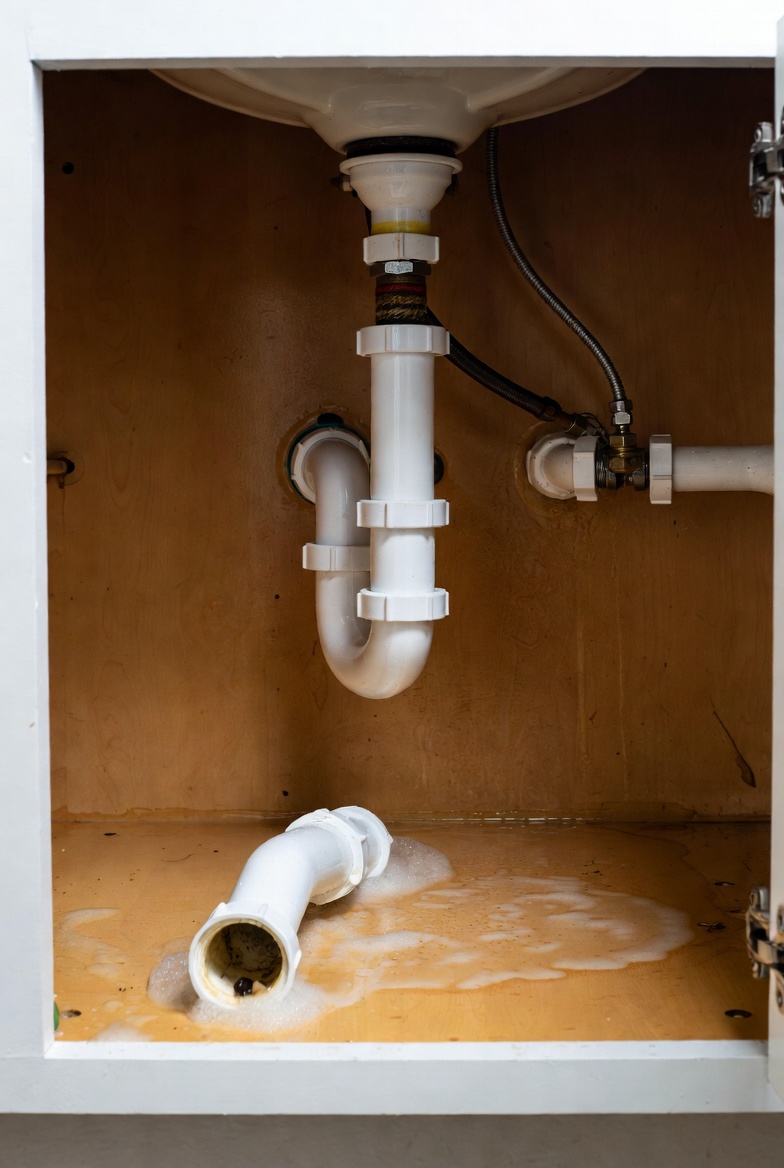
- Place the bucket under the P-trap to catch water. Loosen the slip nuts and remove the trap carefully.
- Open the trap and check for a tight hair ring at the inlet. Remove any hair ring and clean the inside of the trap with a brush and hot water.
4. Clean upstream and downstream
- Use a flexible drain snake to pull hair from the tailpiece above the trap and a short distance into the drain beyond the trap outlet.
- Flush with hot water to wash remaining residue. If heavy soap scum is present, scrub accessible surfaces with a vinegar-and-water solution to break it up.
5. Reassemble and test
- Reinstall the trap, making sure slip nuts and washers are seated correctly to avoid leaks.
- Run a strong stream of hot water and watch for slow spots. If the drain clears and stays clear for a few days, the fix is working.
6. Reduce recurrence
- Fit a simple hair catcher over the drain and clean it regularly—this prevents most strands from ever reaching the trap.
- Consider replacing a trap with a smoother or wider-profile P-trap if the same spot keeps catching hair. A plumber can advise on trap geometry or alternative drain fittings.
What Not to Do
- Do not rely on chemicals alone for hair clogs. They rarely remove a tight hair ring and can damage pipes or finishes.
- Do not force metal tools deep into the trap or pipes; they can scratch and create more places for hair to catch.
- Do not forget to put a bucket under the trap when opening it; you will spill water and waste down the cabinet otherwise.
When to Call a Professional
- The clog returns within days after a careful trap cleaning and you still find a hair ring — it may require trap replacement or a reconfigured drain.
- Multiple fixtures back up at once, or clearing one drain causes problems elsewhere — this can indicate a main-line or vent issue a plumber should assess.
- You find corrosion, cracked pipes, or repeated leaks when removing the trap. A pro can replace damaged sections and recommend a more clog-resistant setup.
- You’re uncomfortable removing the trap or the clog is beyond reachable depth; a plumber has the tools to clear deeper sections safely.
Safety Notes
- Wear gloves and eye protection when handling trapped hair and residue; it can be dirty and include cleaning chemicals.
- Never mix chemical drain cleaners with each other or use them right before opening a trap — fumes and reactions are dangerous.
- Turn off any garbage disposals and avoid running water while you work on the trap. Keep electrical devices away from spilled water.
Common Homeowner Questions
- Why does hair return after I clean it? Hair often catches on a rough inlet or forms a ring inside the trap; cleaning only the visible part may leave the ring behind.
- Can drain chemicals prevent it? No — they may soften residue but don’t reliably remove a tight hair ring and can harm pipes and finishes.
- Will changing the trap fix it permanently? Sometimes — choosing a smoother, wider P-trap or adding a hair catcher usually reduces recurrence, but installation should match your sink’s layout.
For more related articles, see the Recurring Hair & Soap Buildup Cycles hub.