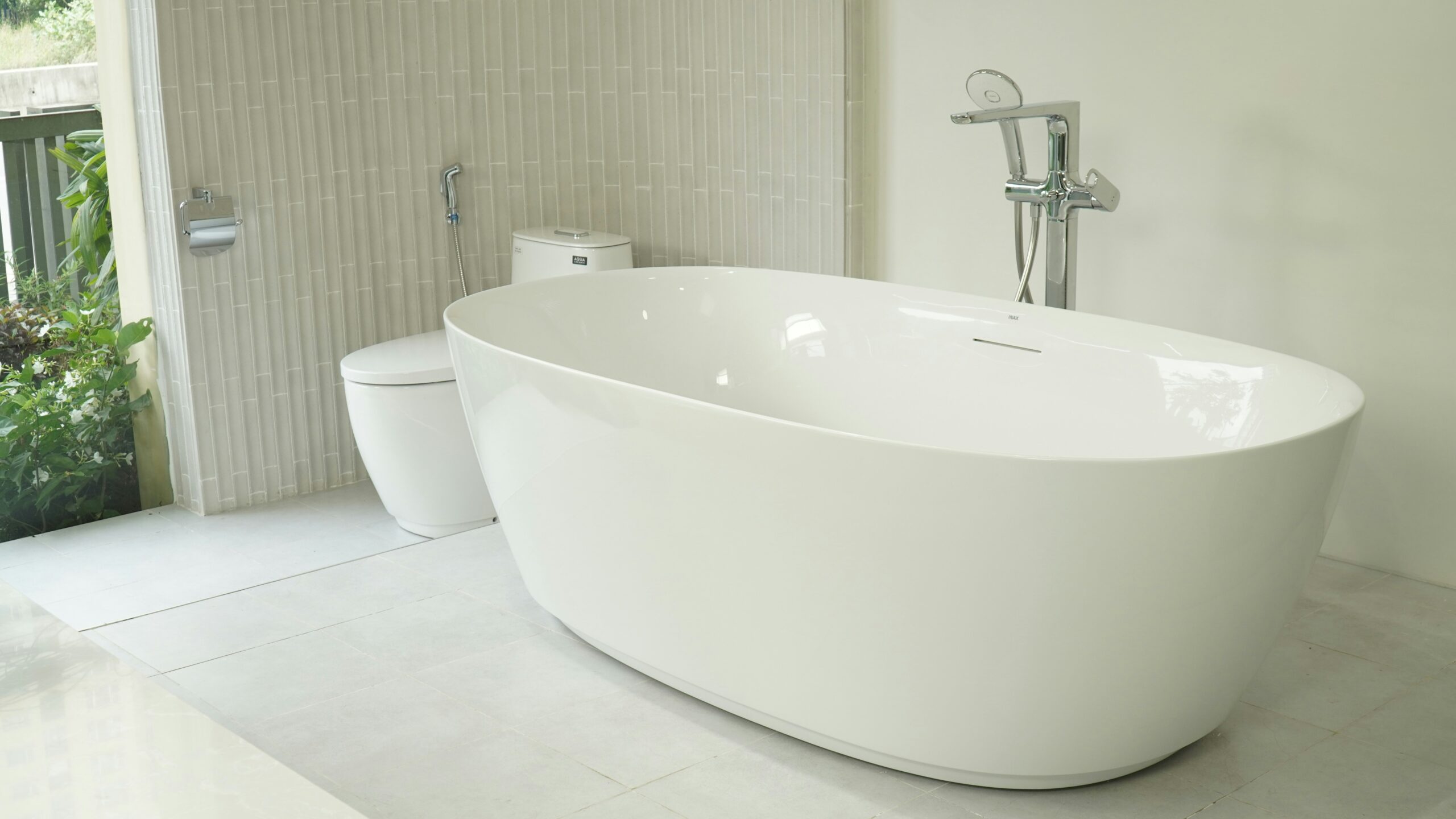
For a tub that keeps running after the actual volume control is off, control the source and arrange repair. A slipping handle, damaged engagement part, worn seat/seal and finite water draining from an outlet are different conditions. Do not force the handle or assume a visible drip uniquely identifies a cartridge.
Control flow before parts work
- If fuel gas is suspected, leave before operating plumbing or electrical controls and call the gas emergency service from safety. For water reaching electrical equipment, keep away and use safe-location help.
- Read the actual normal off operation without forcing the handle. A temperature stop or diverter position may not shut off volume. If reliable closure fails, stop testing the handle.
- Use an identified, safely accessible owner-operated isolation control according to its instructions. Some fixtures need both feeds isolated. Do not force a stuck main, operate utility equipment or disable required shared/fire services; contact the building/provider or emergency plumber if flow cannot be controlled safely.
- Keep the tub attended and its drain open only if this can be done safely. A bucket or towels can catch limited residual water; they are not a plan for unlimited running water or a backing-up drain. Do not plug the outlet as a repair.
- Notify affected occupants and account for actual water-dependent equipment while supply is off. Use its instructions for energy, filling and restart where applicable. Do not automatically drain every fixture or assume a closed main makes all chambers depressurized.
Keep away from wet electrical equipment. Do not touch wet appliances, plugs or switches, or enter water to reach a breaker. When no gas leak is suspected, power may be isolated only from a safely accessible dry location; otherwise call an electrician or emergency help. Wet equipment needs qualified assessment before it is used again.
Do not reach to unplug, move or switch a wet electrical item, or cross suspect water to operate a control. Dry, safely accessible isolation is different from handling wet equipment. If that access is unavailable, keep away and obtain appropriate emergency or electrical help.
Record the actual off state
- A limited drain-down versus water that continues to be supplied; include the original setting and recent parts or supply work.
- Whether a true two-handle fixture, single-handle mixer or separate volume/temperature control is installed.
- Whether the handle slips or spins, where water exits and whether a known supply control actually stopped it. A nearby valve’s location is not proof that it controls every feed.
Match the repair to the actual interface
Identify the installed valve and trim from its manual, invoice or safely visible markings. The head or handle brand alone may not identify the hidden valve. Volume control, temperature travel limit, source-isolating service stops and a transfer/diverter control do different jobs; do not turn an unidentified screw or assume nearby sink stops serve this fixture.
A loose screw, damaged mating threads, separate adapter, cartridge stem and valve seat are distinct possible repair points. Visible corrosion or handle stiffness is not a complete diagnosis. Identify the maker’s retention and compatible parts before moving hardware; a decorative handle task does not automatically open the pressure cavity, while a nearby nut may retain the cartridge.
Isolation is more than a closed main
Before opening a cartridge retainer, bonnet, supply joint or other pressure boundary, identify and isolate every feed that can pressurize the segment, control temperature, relieve the actual segment through the appropriate controlled outlet and verify depressurization. A remote tap may not relieve a chamber beyond closed local stops or checks. Keep the work isolated while open. Use the correct parts, retainer, seals and complete reassembly before normal restoration. An approved service flush needs its exact source-on/captured-flow/source-off sequence before extraction or refitting; being ready to stop water is not isolation.
A closed house main may be a useful temporary control where it governs the actual supply. Stored pressure, alternate feeds, shared systems and affected equipment still require the actual procedure. Do not force utility valves, automatically drain all fixtures or leave water-dependent equipment in an unspecified state.
Restore only after completion
Restore only after the actual assembly and leak test requirements are met, with safe temperature, drainage, access and attendance. If handle indexing or protective settings were disturbed, complete the model’s required measured temperature/protection verification before bathing. Reduced flow or partly closed supply is not proof of a safe static pressure, successful isolation or a completed repair.
Keep the tub out of use until reliable closure and required protection are established. If isolation fails, water is entering a wall/floor or the receiver cannot drain, get urgent appropriate help rather than testing more or watching a bucket. Do not handle wet electrical property as part of protecting belongings.
Related guides
- main shutoff valve
- shut off water to your house
- Shower & Bathtub Water Delivery
- Why Your Shower Won’t Turn Off Completely
- Why Your Shower Handle Is Loose, Sticking, or Spinning
- Why Your Bathtub Faucet Drips After Turning the Water Back On
Safety sources
- Moen174329example: a separately serviceable adapter on identified3372/3375transfer valves
- Moen M-Core4example: handle calibration, retained pressure components and concealed leaks
- Moen: identify and turn off the appropriate supply before repair
- CDC: electrical hazards near water
- Example electric-heater manual: filling and maintenance requirements
- BrassCraft: water supply stop instructions
- Con Edison: suspected gas leaks