Quick Answer:
Seeing black grains drifting in a glass from the sink is unsettling. Often the particles are bits of rubber, carbon, metal corrosion, or mineral/organic sediment coming from the faucet, aerator, or hot water heater. The simplest immediate actions are to capture a sample and check whether the problem is coming from the cold side, hot side, or both.
Why This Happens
- Faucet or aerator debris: bits of deteriorated rubber seals, old cartridge material, or mineral build-up can break loose and look like black grains.
- Water heater wear: breakdown of anode components, sediment disturbed by flushing, or flaking from older tank linings can release dark particles into the hot water.
- Supply lines and hoses: flexible rubber hoses or pipe liners sometimes shed small black flecks as they age.
- Water source issues: well water with manganese or organic material can appear dark when agitated; municipal work on mains can also loosen sediment.
If the debris seems concentrated at specific faucets or only after using hot water, that points toward a localized fixture or the water heater. If many taps show the same debris, suspect a larger supply issue.
Step-by-Step What to Do
Step 1 — Capture a sample
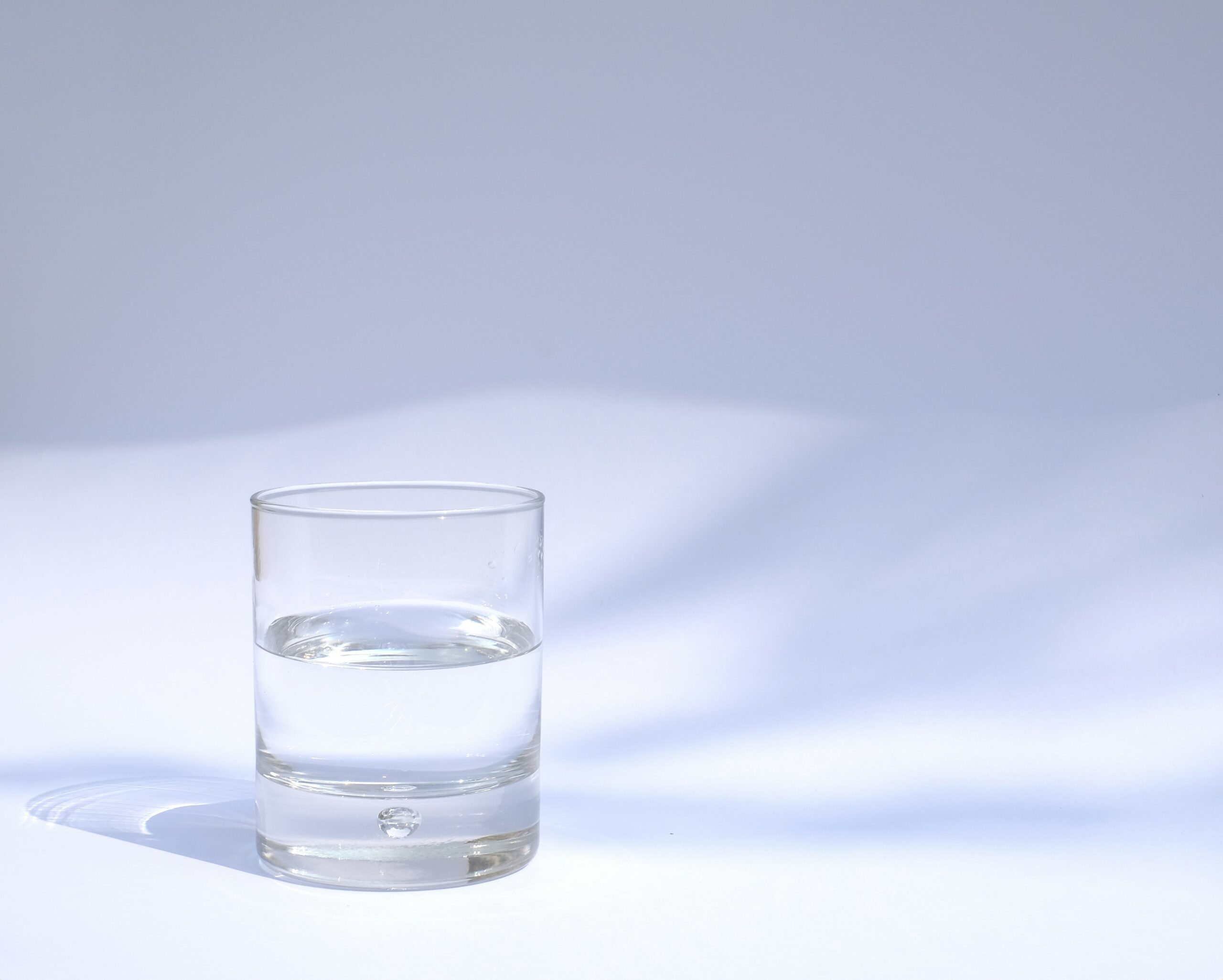
Fill a clear glass from the affected faucet and hold it up to the light. Keep the glass level so you can see how the particles behave and whether they sink or float. Keep this sample in case you need to show it to a plumber or your water supplier.
Step 2 — Compare cold versus hot
Run cold water into a second clear glass and then run hot water into a third glass. Watch each for particles. This direct comparison helps identify whether the source is the hot side (likely the water heater or hot plumbing) or the cold side (faucet, supply line, or main).
If particles appear only in the hot glass, that is strong evidence the water heater or its piping is involved. If both glasses show particles, the issue may be upstream of the heater or at the faucet.
Step 3 — Check the faucet aerator and cartridge
- Turn off the water and remove the aerator screen from the faucet (use a cloth and basic pliers if needed).
- Inspect and rinse the screen and look inside the faucet spout for debris.
- If you find black flakes, clean or replace the aerator and run water again to see if the problem stops.
Step 4 — Test other taps and appliances
Open several faucets (bathroom, laundry, outdoor spigot) and note whether particles appear. Check appliances that use water (dishwasher, washing machine) as well. Widespread appearance suggests a supply or whole-house plumbing issue.
Step 5 — Consider the water heater
- If only hot water is affected, run the heater on a short flush (follow manufacturer guidance or the owner’s manual) to see if sediment clears. Do not attempt major heater repairs yourself if you are unsure.
- Age, a failing anode rod, or internal corrosion can create dark flakes; if suspected, have a pro inspect the tank.
Step 6 — Keep a record and sample
Save your captured samples in closed containers and note dates, which taps showed particles, and whether the problem changes after running water or cleaning aerators. This information helps a plumber or water utility diagnose the cause quickly.
If you want more background, check the page on Grit coming out of faucets for common faucet-related causes and the guide for Black specks only on hot side when the hot system seems isolated.
What Not to Do
- Do not drink water until debris source is identified.
- Do not assume the particles are harmless just because they are small — avoid giving the water to children or pets until you know more.
- Do not use harsh household tools to force apart a water heater or plumbing pieces you are not trained to repair.
- Do not ignore a sudden change that affects multiple taps; that could indicate a supply-line problem that needs attention.
When to Call a Professional
- Particles persist after cleaning aerators and testing multiple taps.
- Debris is only in hot water and you suspect the water heater (especially if the heater is old or you notice rust, odor, or cloudy water).
- The problem appears in several fixtures across the house or neighbors report the same issue—contact your water supplier or a licensed plumber.
- You see large flakes, a sudden increase in sediment, or any health-related symptoms after exposure—seek professional help promptly.
Safety Notes
- Keep samples sealed and labeled if you plan to show them to a plumber or water department.
- Wear gloves when handling debris samples and wash hands afterward.
- If you smell a chemical or sewage odor with the particles, stop using the water for cooking or washing and call your water utility immediately.
- If anyone becomes ill or shows signs of contamination, contact a medical professional and your local health department.
Common Homeowner Questions
- Why are the particles black instead of brown or white?
Black particles are often rubber, carbon, or certain types of corrosion or manganese; color helps narrow the source but isn’t definitive. - Will running the tap clear the particles?
Short flushing may remove loose debris, but it won’t fix an underlying problem like a failing heater or corroded plumbing. - Can I clean this myself?
You can clean aerators and replace faucet cartridges; for water heaters, supply-line corrosion, or persistent issues, hire a licensed plumber.
For more related articles, see the Black Specks, Sediment, or Grit in Water hub.