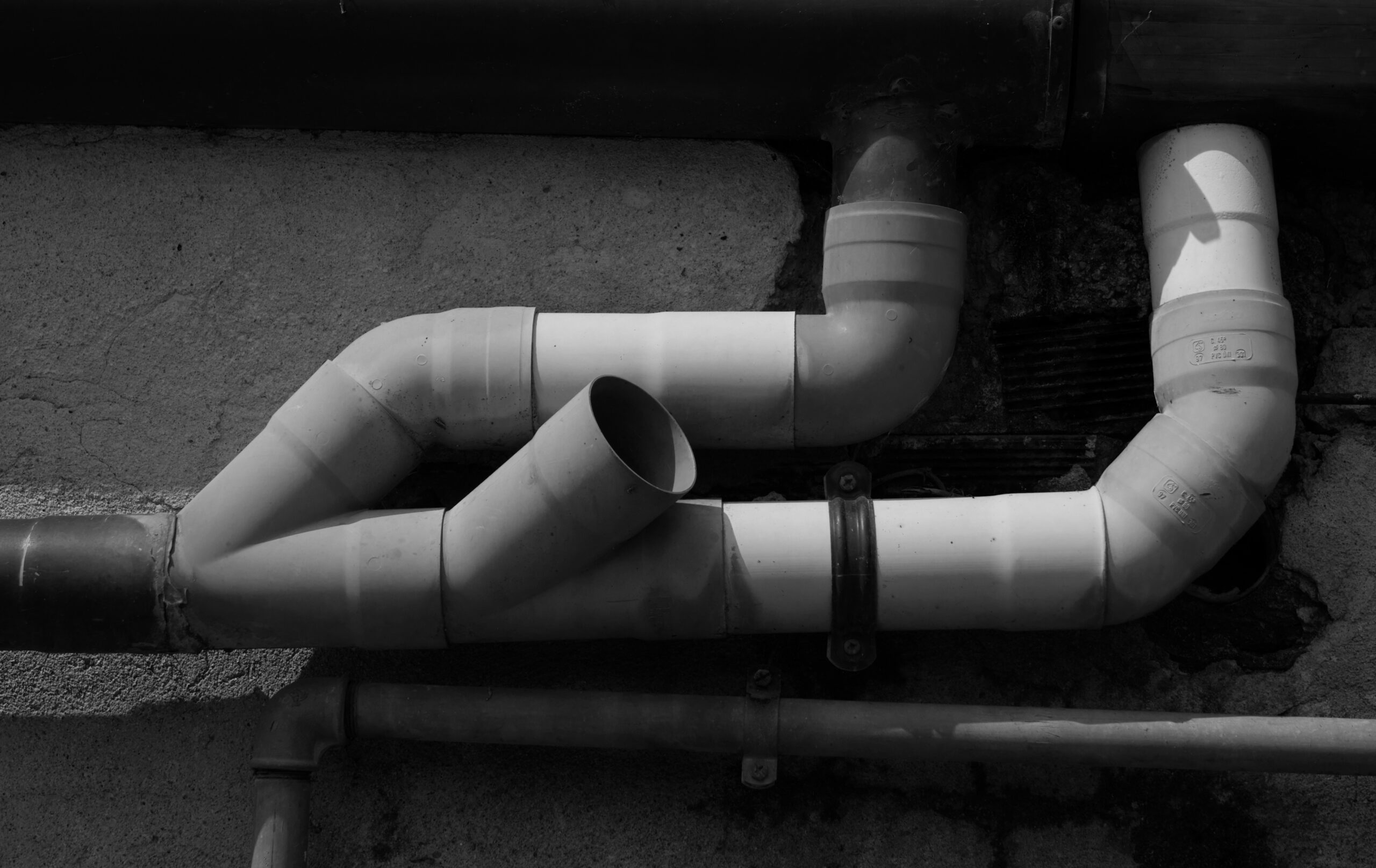
Check for an emergency first
Keep away from wet electrical equipment. Do not touch wet appliances, plugs or switches, or enter water to reach a breaker. When no gas leak is suspected, power may be isolated only from a safely accessible dry location; otherwise call an electrician or emergency help. Wet equipment needs qualified assessment before it is used again.
For a new, unexplained water-quality change: do not deliberately taste the water. Use bottled water or another known-safe supply for drinking, food preparation, teeth brushing and ice while you contact the supplier. Follow the actual local notice for other uses. Boiling does not make chemically contaminated water safe, and clear appearance or a fading odor does not certify safety.
Brown water after freezing weather needs both a leak/damage check and a water-quality report. Ice can damage plumbing, but brown color does not prove ice scraped rust from a pipe. Do not repressurize suspect damaged lines or run a full-flow purge as the first response.
Useful details to record
- Where freezing was suspected, restoration timing and whether the supply was shut off.
- Visible leaks, wet spots, bulges or loss of flow already noticed from a dry safe position.
- Which ordinary outlets were discolored, supplier work and any winterizing product used.
What the pattern can tell you
- A pipe appears split, bulged or leaking. Arrange repair and source isolation if safely accessible; do not use more pressure or flushing to clear it.
- The meter or service is affected. Contact the supplier; do not open or thaw utility equipment yourself.
- Water becomes clear. That does not establish that concealed damage is absent or water quality is restored.
What to do next
- If a pipe has burst, close an identified safely accessible household shutoff when conditions permit and call a plumber. Do not enter floodwater or touch wet electrical equipment to reach a valve or breaker. Get electrical help where needed.
- Contact the drinking-water supplier promptly about the new unexplained change and check for a current notice. For a private well, contact the local health department or a qualified well-water professional. Describe existing observations without another taste or a guessed contaminant.
- Arrange any needed tests with a state-certified drinking-water laboratory or the supplier. Ask which substances, locations and collection conditions fit the history. Use the laboratory’s supplied containers and exact handling directions. Before flushing, removing an aerator or changing treatment, ask whether a first-draw or other specific sample is required.
- Do not use a torch or open flame to thaw pipes, explore unsafe attics or crawlspaces, or continue a purge through damaged fittings. Have uncertain or inaccessible freezing and damage assessed.
- Flush only under the applicable supplier, installer or product instructions after the concern is assessed. Use the specified outlet and sequence with fully assembled sound plumbing, a suitable drain and continuous attendance. Stop for leakage, backup or another hazard; do not open an unfinished joint or invent a hotter, longer or whole-house purge.
- Do not use boiled suspect water as the fallback or resume drinking when brown color disappears. Keep the actual repair, restoration and use advice together.
- Flavor, odor, feel, clear appearance or a normal home strip cannot certify water quality. A laboratory result covers the substances, locations and conditions actually assessed. Ask the supplier or health authority how the findings apply to use; do not resume consumption through a sensory test or a fixed waiting period.
Can I flush rust out before the frozen pipe is repaired?
A suspect damaged or still-frozen line needs appropriate assessment first. Color does not establish the material or structural condition, and extra flow can worsen leakage after thawing. Keep the water-quality question separate from whether the pipe is intact.
Related situations
Safety sources
- CDC: electrical hazards near water
- CDC: drinking-water advisories
- CDC: chemical contamination, copper and lead in tap water
- EPA: certified drinking-water laboratories
- EPA: laboratory sample containers and handling
- Ohio EPA example: first-draw sampling precautions
- Maine Emergency Management Agency: frozen pipes, shutoff and electrical hazards