Quick Answer:
Low household water pressure that lines up with your irrigation schedule is often caused by high demand on the municipal main or a shared supply limit during those hours. Start by logging pressure with a gauge at different times and comparing the numbers to irrigation start/stop times before making any major repairs.
Why This Happens
When sprinklers run, they draw a lot of water over a short period. If your street main or neighborhood system is near capacity during scheduled irrigation, pressure at individual homes will fall. Timing matters: pressure can be fine outside irrigation windows and dip sharply during them. Seasonal changes and weather also affect system load — some homeowners notice better pressure when demand is lower; for example, Pressure better during rain in a few systems, while other neighborhoods see nighttime dips like Pressure drops late at night.
Other contributors include a failing pressure regulator, a partially closed main shutoff, a leak, or a weak home pump. But because the pattern matches irrigation hours, municipal demand and system timing should be checked first.
Step-by-Step What to Do
Step 1 — Get a reliable pressure gauge
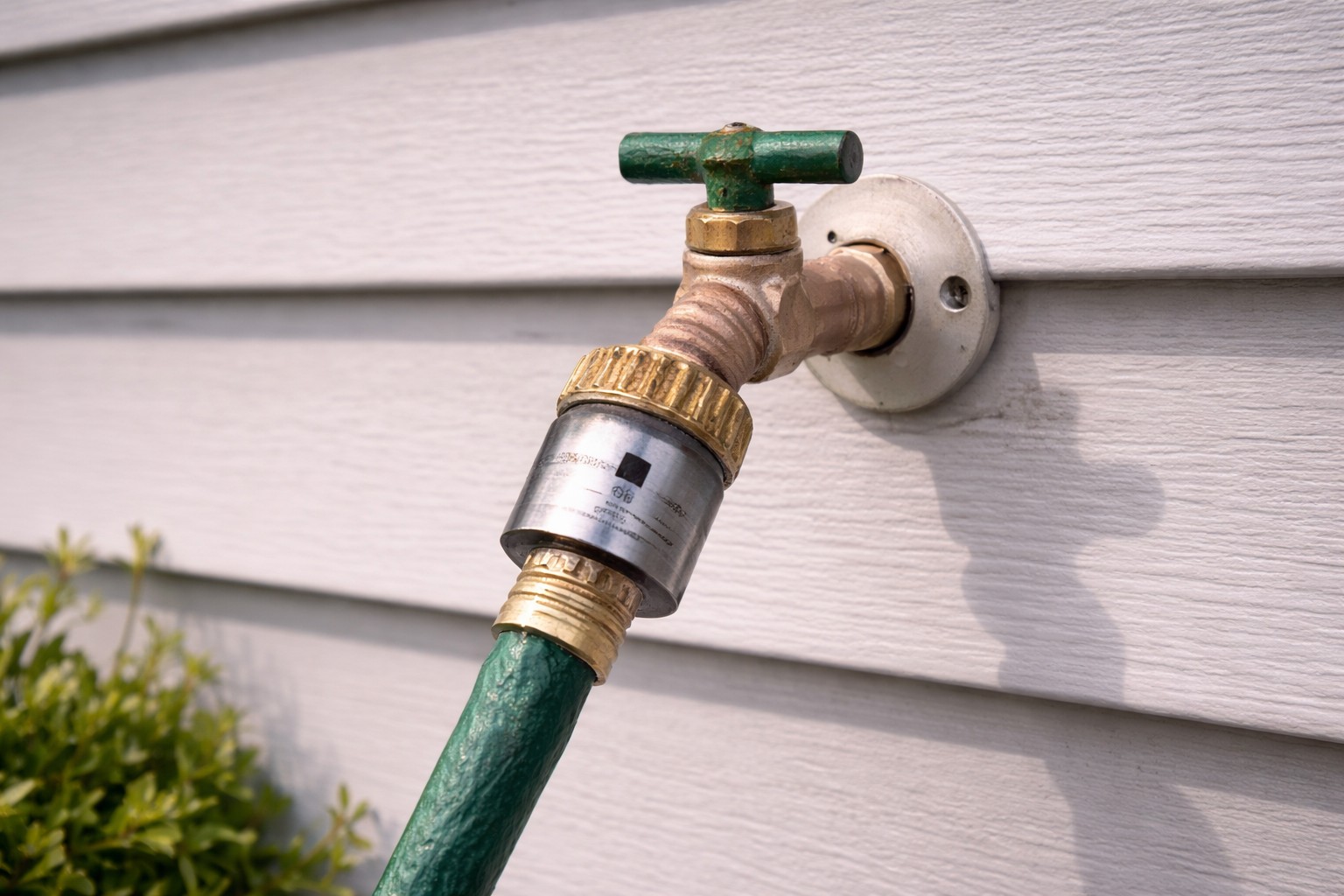
- Buy or borrow a 0–100 psi hose-end gauge or a gauge that threads onto your main cleanout or hose bib.
- Know the typical normal range for your home (usually 40–60 psi for many homes).
Step 2 — Log pressure with the gauge at different times
- Take readings at these minimum times: before irrigation starts, during the first 10–15 minutes of irrigation, midway through a cycle, and at least once when irrigation is off (late evening or early morning).
- Record the date, clock time, which zone is running, and the measured psi. Do this over several days to see a reliable pattern.
Step 3 — Correlate your logs with city demand patterns
- Contact your water utility to ask about known high-demand periods, maintenance schedules, or pressure management programs. Share your logged times and numbers; they can confirm whether the main sees high flow when your irrigation runs.
- Ask neighbors whether they see similar drops or if their sprinklers run on a different schedule — that helps show whether the issue is local to your property or broader.
Step 4 — Check simple in-home items
- Inspect the main shutoff and any pressure-reducing valve (PRV) for proper operation; note if pressure changes when the PRV is adjusted slightly (do this cautiously).
- Look for leaks in the irrigation system and the household supply lines. A big leak will lower pressure regardless of timing.
- If you have a private pump or pressure tank, verify the tank charge and pump cycle during an irrigation event.
Step 5 — Try temporary schedule adjustments
- Move irrigation start times outside suspected peak municipal demand, then re-check your logged pressure. If pressure improves, municipal demand timing is a likely cause.
- If you manage multiple zones, stagger them so fewer zones run at once and see whether that reduces the household drop.
What Not to Do
- Do not replace in-home plumbing before confirming municipal timing patterns.
- Don’t increase PRV pressure settings without confirming cause — you could create unsafe pressure for fixtures or hide an underlying problem.
- Avoid major pipe replacement or pump purchase until you have consistent logged evidence showing the issue is internal rather than a supply-side demand problem.
When to Call a Professional
- Call your water utility if logs show pressure falls across the neighborhood or the utility confirms supply-side issues.
- Call a licensed plumber if you find: continuous low pressure at all times, clear leaks, a failed PRV, or if a private pump/pressure tank appears to be malfunctioning.
- Engage an irrigation specialist if the sprinkler system is oversized for your supply and needs reprogramming or zone resizing.
Safety Notes
- Before working on supply lines or irrigation components, shut off water at the main and relieve pressure at a hose bib.
- Call your local utility or use a utility-locate service before digging near visible mains or service lines.
- Do not work on electrical components of irrigation controllers or pumps unless you are qualified; turn power off before inspecting pumps or motors.
Common Homeowner Questions
- Why does pressure drop only during the sprinkler cycle? Because the sprinklers create a high, concentrated demand on the main that can lower pressure at individual homes when system capacity is limited.
- Will replacing my internal pipes fix it? Not usually — if logging shows the issue coincides with municipal irrigation times, replacing internal plumbing is unlikely to solve it.
- Can I change the irrigation schedule myself to fix pressure? Yes, you can try staggering zones or shifting start times to off-peak hours; track pressure before and after to confirm any improvement.
Related Articles
If you’re troubleshooting a similar symptom, these guides may help:
For the full directory, see Water Pressure Changes by Time of Day.