Quick Answer:
Low water pressure that happens when nearby houses are using water is often due to shared supply and peak demand on the municipal main. Before changing your pipes, log pressure with a gauge across different times and compare those readings with local demand patterns to see if the issue is outside your home.
Why This Happens
Urban and suburban homes frequently share the same distribution main. When many households run showers, sprinklers, or appliances at the same time, pressure in that main drops and every connected home sees lower pressure. Other causes that look similar include a failing pressure-reducing valve at your meter, partial blockages, or leaks on the shared main.
Collecting time-stamped readings helps separate a city-side demand problem from an internal issue. For example, if you find higher pressure overnight, it’s a sign the network eases when demand drops — Pressure improves after midnight.
Step-by-Step What to Do
1. Get a pressure gauge and record a baseline
- Buy or borrow a simple screw-on pressure gauge that fits a hose bib or a threaded faucet.
- Record pressure at several times over multiple days: early morning, late morning, afternoon, evening, and after midnight.
- Make short notes about what activities are happening (e.g., many sprinklers running at 6pm).
2. Correlate your readings with city demand patterns
- Look for repeating patterns: do low readings line up with neighborhood peak use times like morning showers or evening landscape watering?
- Call the water utility and ask whether there are known peak-demand hours, maintenance schedules, or pressure events in your area — tell them the times you recorded.
- Keep your log so you can show the utility or a plumber a clear pattern. This helps confirm whether the problem is municipal or inside your property.
3. Compare with neighbors
- Ask one or two neighbors to take the same gauge readings at the same times. If they see the same drops, the issue is almost certainly on the shared main.
4. Check in-home items that often mimic main problems
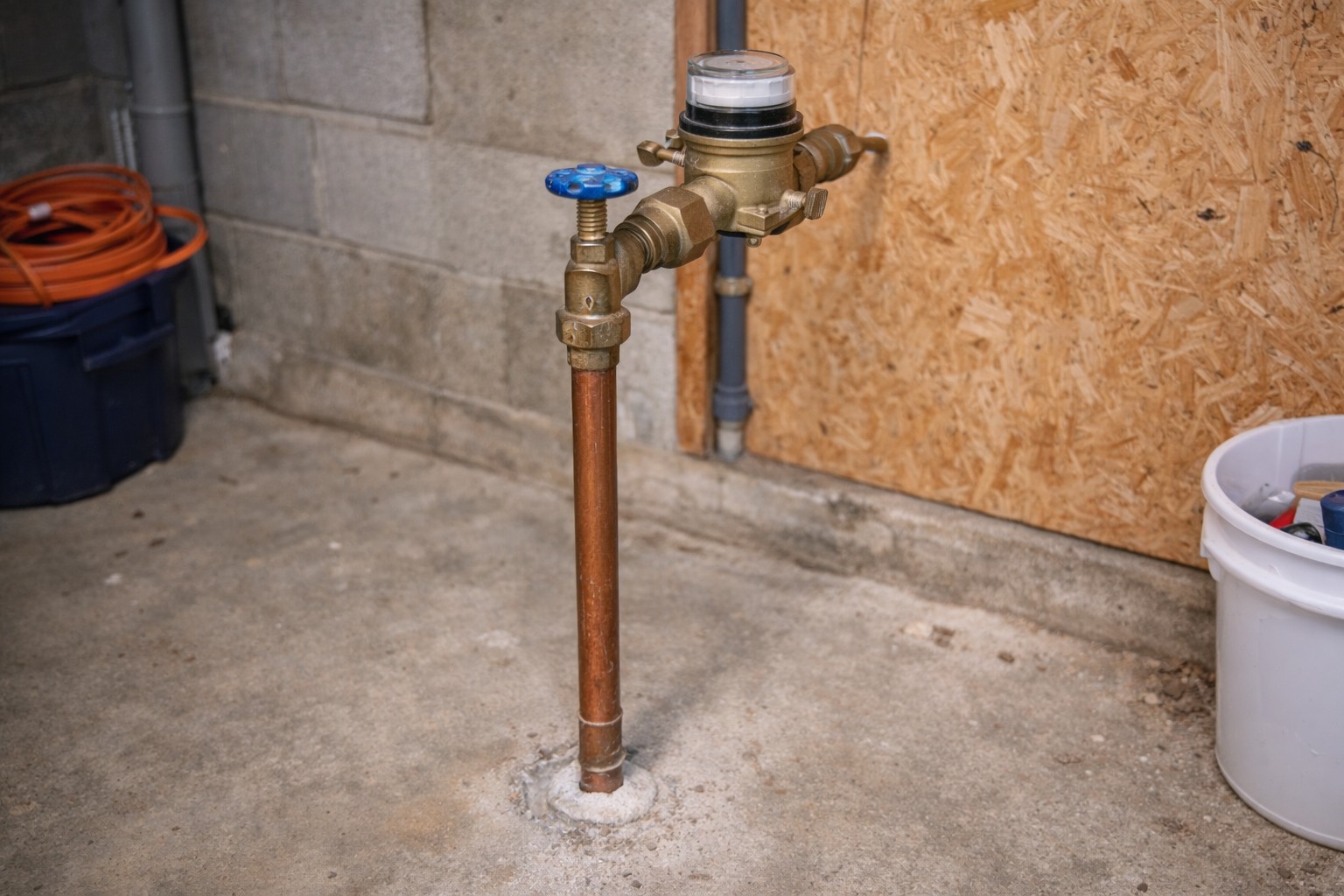
- Quickly check the pressure-reducing valve (PRV) if you have one near your meter. Look for obvious leaks or damage; a plumber can test and set it.
- Inspect for visible leaks, especially around the meter, service line, and main shutoff.
5. Consider timing and seasonal patterns
- Repeat logging across different seasons. Outdoor watering and seasonal usage can change the pressure profile — note if pressure changes month to month.
- Seasonal records help decide whether to add devices like a booster or simply change when you run high-demand appliances. Keep in mind that in many places, **Pressure fluctuates seasonally by time** and is not a fixed fault.
What Not to Do
- Do not replace in-home plumbing before confirming municipal timing patterns. You may spend a lot on work that won’t fix an outside supply issue.
- Do not dig up or attempt repairs on the public main yourself — that is the utility’s responsibility and may be illegal or dangerous.
- Do not buy a whole-home booster pump without proper logging and professional advice; a booster can mask an upstream problem and may violate local codes.
When to Call a Professional
- Call your water utility if multiple houses show the same pressure drops or if readings match known peak hours.
- Call a licensed plumber if your pressure is low at all times, if the PRV appears faulty, or if you find a leak on your property.
- Call immediately if you see sudden, severe pressure loss accompanied by visible water on streets or major pooling — that could indicate a large break on the main.
Safety Notes
- Turn off your internal main shutoff before working on household plumbing. If you do not know where it is, ask a professional.
- Do not attempt repairs on the public water main, hydrants, or meter box lid if you are not trained — contact the utility.
- When testing or attaching a gauge, avoid forcing fittings and follow manufacturer instructions to prevent injury or damage.
Common Homeowner Questions
- Why does pressure drop only at certain times? Because many homes sharing the same main use water simultaneously, creating peak-demand periods that lower pressure.
- Can a booster pump fix the problem? A booster can raise pressure inside your house but won’t fix a public main issue and can hide the real cause; diagnose first.
- How long should I log pressure before deciding? At least a week of readings covering morning and evening peaks, and repeat in a different season if the problem seems seasonal.
Related Articles
If you’re troubleshooting a similar symptom, these guides may help:
For the full directory, see Water Pressure Changes by Time of Day.