Quick Answer:
If water pressure is normal during the day but drops every night, it is often tied to higher municipal demand or scheduled system activity. Track pressure with a gauge at several times, compare the readings to local demand patterns, and check simple in-home controls before replacing plumbing.
Why This Happens
City water systems experience peak use in the early morning and evening. When many homes and businesses use water at once, pressure in the distribution mains can fall. Other causes include scheduled flushing or pumping cycles, a partially closed valve on the main, or a failing pressure regulator that responds poorly to changing supply. Matching your measured times with municipal patterns often reveals the root cause.
Step-by-Step What to Do
1. Get a pressure gauge and know where to test
Use a hose-thread pressure gauge that screws onto an exterior spigot or the washing machine supply. Test at a point connected to the main service line—preferably an outdoor spigot or the first valve after the meter.
2. Log pressure with a gauge at different times
Record pressure readings over several days at these times: early morning (before peak), mid-morning, mid-day, evening peak (after dinner), and late night. Keep a simple table: date, time, psi. Watch for consistent drops after a certain hour.
3. Correlate readings with city demand patterns
Call or check notices from your water utility for known peak hours, planned maintenance, or pumping schedules. Compare your log to those times—many systems show lower pressure when usage is highest. This step helps separate a municipal issue from a home plumbing problem.
4. Check neighbors and valves
- Ask next-door neighbors if they see the same pattern.
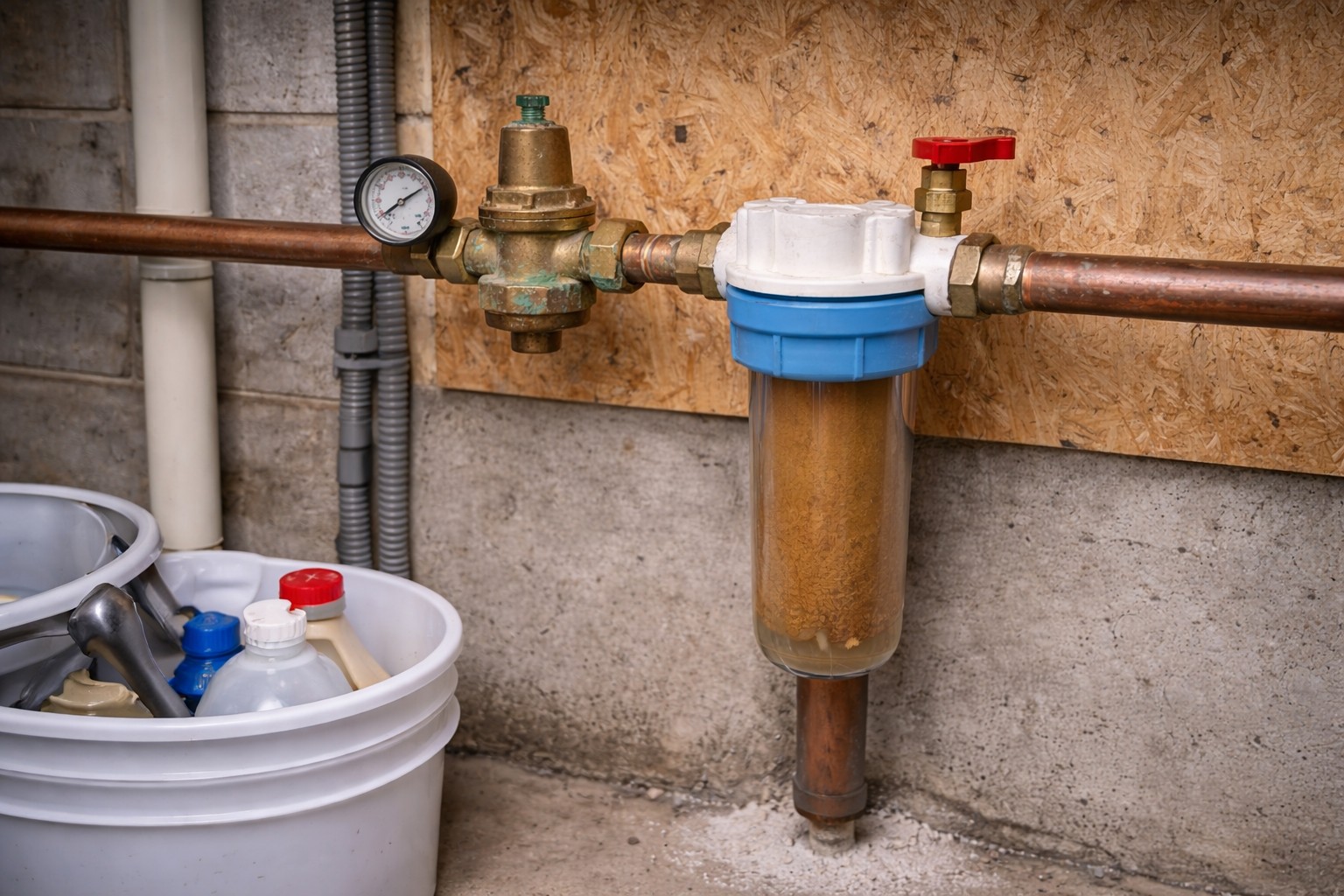
- Confirm your main shutoff valve and any pressure regulator are fully open and set correctly.
5. Inspect fixtures and appliances
Turn on multiple fixtures at the same time to see if pressure loss is widespread or localized. If only one fixture has low pressure, the issue is likely internal to that line or appliance.
6. Repeat and review
After a few days of logging, look for consistent trends. If low-night pressure lines up with known utility peak hours or scheduled activity, municipal supply is the likely cause. For additional context, consider the note that Pressure fluctuates by hour and review whether your log follows those swings. You may also find that overall patterns show a clear recurring drop—this is why some utilities note that Pressure varies daily pattern.
What Not to Do
- Do not replace in-home plumbing before confirming municipal timing patterns.
- Do not start invasive work (cutting pipes, replacing the main regulator) without clear evidence the problem is inside your service line or home.
- Do not attempt to adjust or repair the city side of the meter yourself—contact the utility for anything upstream of your shutoff.
When to Call a Professional
- Pressure is low all day or drops suddenly and severely—this may indicate a leak or failing equipment.
- You find water around the meter, visible leaks, or rapidly falling pressure during short tests.
- You have a pressure regulator you cannot access or it shows signs of failure (noisy, leaking, or stuck).
- After logging, the pattern is unclear and a licensed plumber can perform a pressure-loss diagnosis and test the regulator and service line.
Safety Notes
- Do not dig near the street or meter without contacting local utilities—buried lines and services can be dangerous.
- Turn off the main before doing any in-home plumbing work and drain lines to avoid water damage.
- Wear eye protection when testing or removing fittings under pressure, and follow manufacturer instructions for gauges and tools.
Common Homeowner Questions
- Q: Could my pressure regulator cause night drops?
A: Yes—if it can’t handle changing supply, but confirm municipal patterns first. - Q: How long should I log readings?
A: Three to seven days gives a clear picture of recurring night drops. - Q: Will neighbors see the same issue?
A: Often yes—if it’s city demand related, nearby homes usually show similar timing.
Related Articles
If you’re troubleshooting a similar symptom, these guides may help:
For the full directory, see Water Pressure Changes by Time of Day.