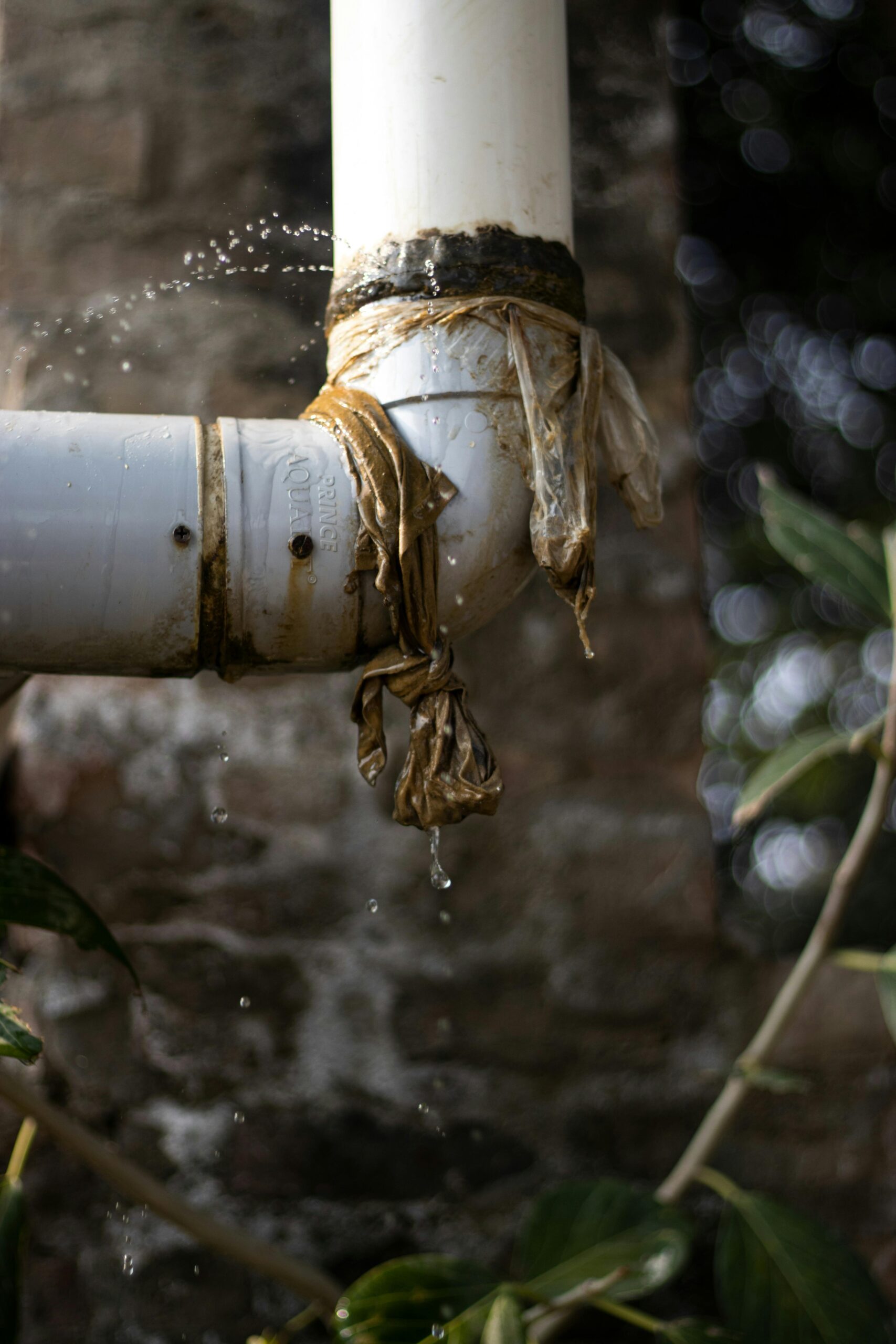
A shutoff dripping externally after reopening needs the actual escape path identified. Internal seat bypass, stem/packing leakage, body damage and a connector leak are different faults; opening position alone does not select a repair.
If fuel gas is suspected, leave the building or affected area immediately. Do not operate valves, switches, plugs, appliances or phones there. Call the gas emergency service from a safe location well away, and wait for responders’ clearance.
Keep away from wet electrical equipment. Do not touch wet appliances, plugs or switches, or enter water to reach a breaker. When no gas leak is suspected, power may be isolated only from a safely accessible dry location; otherwise call an electrician or emergency help. Wet equipment needs qualified assessment before it is used again.
Record the original event
- Where water first appears externally from a safe position, without touching a wet electrical area or loosening a nut.
- Actual valve/model, original motion, known upstream control and any damage or recent work.
- Whether downstream flow continues when closure was intended, separately from the external drip.
What the observation establishes
An internal shutoff surface controls water through the pipe. A packing seal limits water escaping around a stem. Neither a smell nor visible crust proves the failed part. Flushing cannot be assumed to cure an external drip, and an arbitrary nut turn may damage a different connection.
What to do next
- Use suitable safe upstream household isolation for an active leak, or arrange prompt assistance. Do not sniff for old rubber or keep cycling the suspect valve to locate a drip.
- Do not briefly restore flow into a bucket or loosen a connector to clear sediment. Keep independent control effective during actual service.
- An actual maker may permit limited gland adjustment for a particular stem leak. Do not generalize one-eighth-to-quarter-turn tightening, loosen a bonnet or remove packing without the real design and required isolation.
- Choose repair versus replacement from actual condition and service instructions. Fully reconnect, then verify leak-free operation and the intended shutoff separately instead of relying on one temporary dry interval.
Before any internal service
Before any internal service or fitting removal, identify and isolate every supply that can pressurize the section, release trapped pressure through the appropriate controlled outlet and verify depressurization. Account for hot water and possible alternate feeds. Lowering a PRV setting, reducing flow or wearing gloves does not make a pressurized assembly safe to open. If isolation cannot be established, leave it assembled and obtain qualified help.
The valve being serviced cannot isolate its own inlet. Closing its handle or a downstream fixture does not establish upstream isolation. A main, shared or utility control may need the responsible supplier or qualified provider to arrange independent control; do not operate unknown curb, meter, fire-system or shared valves.
Identify the exact valve, fluid/service, pressure/temperature ratings, pipe material/condition, inlet and outlet connection before selecting parts. Compression, threaded, push-fit and soldered joints do not share one tape, ferrule-reuse, support or tightening rule. A pressure-retaining packing/bonnet nut is not a handle screw. A permitted model-specific external adjustment differs from removing retained parts. For internal service, use the actual parts/procedure and effective isolation; a bucket or readiness to stop a leak does not make a live assembly safe.
Keep independent isolation effective while any connection, bonnet or other pressure-retaining part is open. Do not reopen an upstream supply into a removed valve, exposed pipe or loosely held hose aimed at a bucket. Residual drainage is not a general sediment-removal cure. If actual construction/service flushing is needed, use its prescribed secured compatible arrangement and controlled accepting discharge path. Fully reassemble before restoring pressure under the actual instructions, then verify external leakage and the required shutoff function separately. A stronger stream alone does not verify the repaired valve.
Will tightening packing fix water passing through the valve?
Packing and the internal shutoff barrier serve different functions. First establish which behavior actually failed; do not tighten a nut to repair a guessed seat problem.
Request prompt suitable help for leakage, damaged or seized equipment, hidden connections or uncertain isolation. Do not use a mallet, wrench extension, flame, heating device or repeated back-and-forth attempts on a failed valve. Use only an actual maker-approved substance at its specified location; a product being suitable for some metal threads does not approve it on every potable-water stem, seal or waterway. Wiping or rinsing does not establish compatibility. Ordinary permitted operation of a sound identified valve differs from forcing a defective one.
Related guides
- Valve stops working after years of no use
- How to free stuck shutoff valve
- Shutoff Valves That Will Not Fully Close